US Military Intercepts Iranian Ballistic Missile Attack Amid Middle East Tensions
CENTCOM reports successful interception of all Iranian ballistic missiles targeting US forces in the Middle East, maintaining high operational readiness.
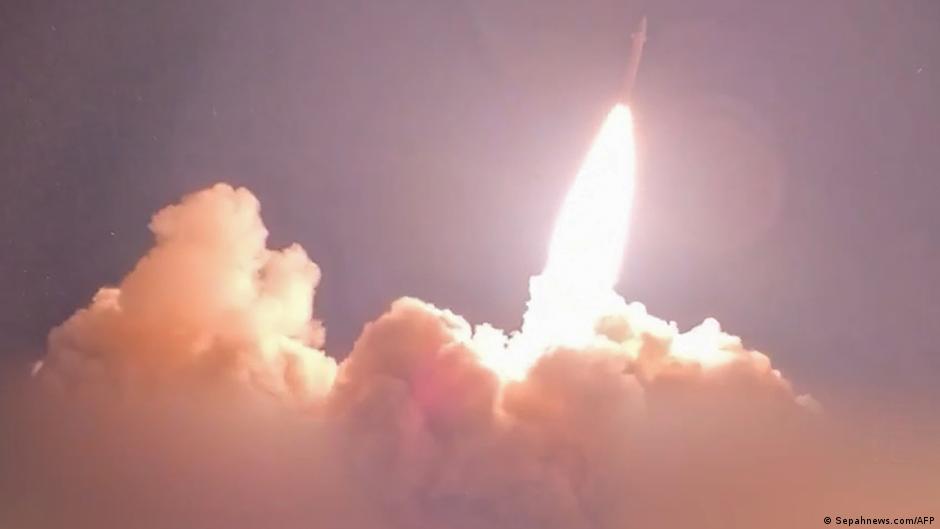
In a recent escalation of regional tensions, the United States Central Command (CENTCOM) announced the successful interception of ballistic missiles launched by Iran's Islamic Revolutionary Guard Corps (IRGC) against American military personnel stationed in the Middle East. The attack, which took place overnight on July 29, marks a significant development in the ongoing conflict dynamics between the two nations.
Details of the Missile Attack and US Response
CENTCOM reported that the IRGC launched several ballistic missiles from Iranian territory in what was described as an "attempted surprise attack" targeting US forces deployed across the region. All missiles were intercepted successfully, and US forces remain on high alert and in a state of elevated combat readiness.
This incident follows a period of relative restraint, as both sides had refrained from retaliatory strikes in the days prior. According to reports, this is Iran's first rocket attack on a US base in the region since former President Donald Trump halted airstrikes against Iran.
"US forces in the region maintain vigilance and a high state of combat readiness," CENTCOM stated in its social media release.
Background of the Escalation and Strategic Implications
From July 12 to July 24, the US conducted nighttime airstrikes targeting Iranian military installations. The stated objective was to degrade Iran's capability to threaten commercial shipping lanes in the strategically critical Strait of Hormuz. Despite a tentative framework agreement between Washington and Tehran, the IRGC has repeatedly attacked oil tankers in the area and has targeted military bases in neighboring countries, claiming these strikes were directed against US facilities.
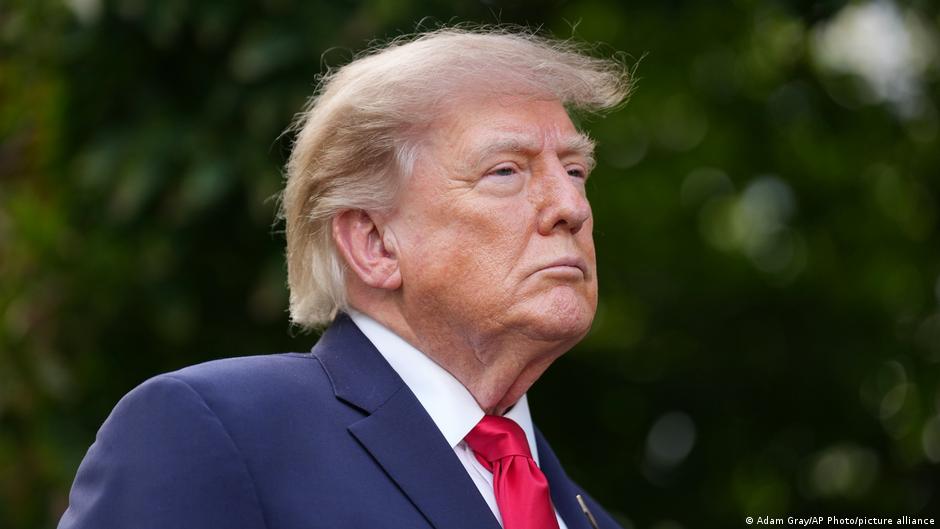
On July 21, President Trump issued a stern warning to Iran, threatening "multiple times over" retaliation should American forces be harmed. Since the recent surge in hostilities, CENTCOM has confirmed the death of three US service members.
Following July 24, there was a temporary cessation of reciprocal attacks. The New York Times reported that on that date, President Biden met with senior advisors and cabinet officials and decided to postpone further large-scale strikes against Iran. Factors influencing this decision included concerns over depleting missile interceptors for Patriot and other air defense systems in the Middle East, as well as the potential global energy and economic ramifications of an intensified conflict.
The current developments underscore the precarious balance between military engagement and diplomatic considerations in the region. For investors and analysts, heightened tensions in the Middle East often signal volatility in energy markets and global economic uncertainty, particularly given the strategic importance of the Strait of Hormuz for international oil shipments.