Swiss Voters Reject Neutrality Proposal That Would Have Curbed Sanctions
The referendum result preserves Switzerland’s ability to align with EU sanctions, a key issue for companies, banks and investors managing geopolitical risk.
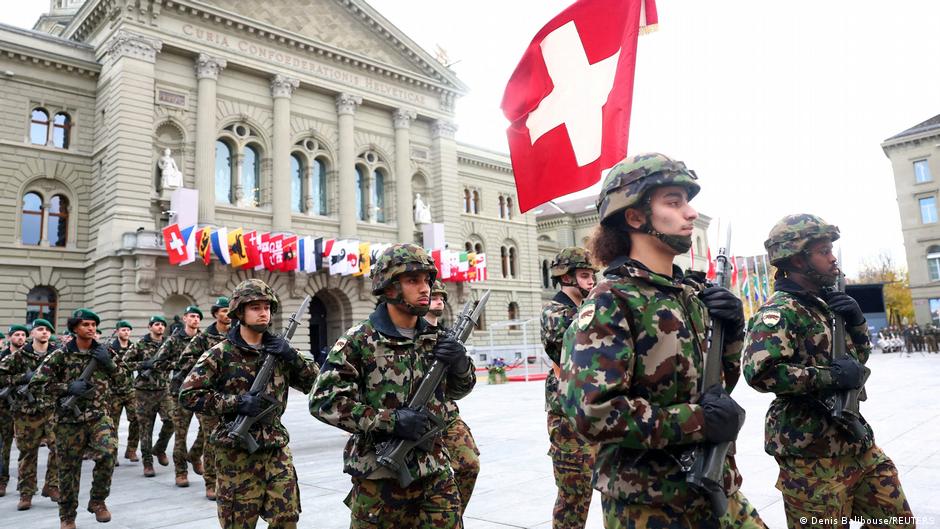
Swiss voters have rejected a proposal that would have imposed a stricter interpretation of the country’s neutrality and sharply limited its ability to apply economic sanctions against states involved in armed conflicts.
According to official results published on the Swiss government’s website on Sunday, September 27, 70.15 percent of voters opposed the initiative. The outcome leaves intact the government’s current flexibility to join sanctions regimes, including measures aligned with the European Union’s sanctions against Russia over the war in Ukraine.
For investors, banks and multinational companies operating in or through Switzerland, the vote is significant because it avoids a major change in the country’s sanctions framework. Had the proposal passed, Switzerland would have been able to impose economic sanctions only after approval by the United Nations Security Council. That would have narrowed the government’s room for action and potentially complicated compliance planning for firms exposed to cross-border finance, commodities, trade and asset management.
Sanctions Policy Remains Flexible
The initiative, titled “Preserving Swiss Neutrality,” was put forward by the group Pro Schweiz, which is close to the right-conservative Swiss People’s Party. Its supporters argued that although neutrality is anchored in the Swiss Constitution, the government had weakened the principle of non-intervention by joining EU sanctions against Russia in connection with the war in Ukraine.
The proposal sought to enshrine in the constitution the principle of “permanent and armed” neutrality. It also aimed to prohibit Switzerland from joining military alliances, such as NATO, or cooperating with them, except in cases where Switzerland itself came under attack.
The sanctions component was the most consequential for the financial sector. Switzerland is a major banking and wealth management center, and its sanctions policy directly affects due diligence, asset freezes, transaction screening, client onboarding and investor risk assessments. A constitutional ban on most sanctions outside the UN framework would have created a different operating environment from that of many European counterparties.
Swiss neutrality, according to Foreign Minister Ignazio Cassis, has always been applied with a certain degree of “flexibility.”
During televised debates, Foreign Minister Ignazio Cassis argued against equating neutrality with indifference. He said Switzerland should not turn a blind eye to violations of international law in the name of protecting its own interests or preserving peace. All major political forces except the Swiss People’s Party opposed the initiative.
The result therefore gives the federal government continued latitude to respond to geopolitical developments without waiting for Security Council approval. From a financial reporting perspective, that continuity matters: Swiss-based firms and foreign groups with Swiss operations can continue to evaluate sanctions exposure under the current policy trajectory rather than preparing for a constitutional constraint that would have changed the country’s alignment with European measures.
Investor Relations Implications
For listed companies, the vote may reduce one area of regulatory uncertainty. Companies with Russian exposure, trade links, commodity flows or high-net-worth client businesses must already disclose and manage sanctions-related risks. A successful initiative would not have removed sanctions risk, but it could have introduced a more complex divergence between Swiss policy and EU policy, affecting internal controls, legal provisions and risk language in investor communications.
Financial institutions in particular face heightened scrutiny when sanctions regimes change. Compliance costs, frozen assets, blocked transactions and client exits can all carry implications for quarterly results and balance sheet management. By rejecting the initiative, voters avoided a shift that could have required banks and asset managers to explain a new Swiss sanctions regime to shareholders, counterparties and regulators.
The decision also matters for Switzerland’s broader reputation as a predictable jurisdiction. Political neutrality remains central to the country’s identity, but the referendum confirms that most voters were unwilling to narrow that principle into a rule that would significantly restrict sanctions policy. That distinction is relevant for investors weighing political risk, regulatory consistency and Switzerland’s role in international financial markets.
The vote took place alongside another referendum, also rejected by more than 70 percent of Swiss voters, on food security. Supporters of that initiative wanted to raise the share of domestically produced food to at least 70 percent of consumption, increase production of plant-based foods, reduce the use of plant protection products and fertilizers, and strengthen protections for drinking water, soil fertility and biodiversity.
While the food security proposal was separate from the neutrality debate, it also carried economic implications, particularly for agriculture, food production and environmental compliance. Its rejection suggests voters were not prepared to mandate a major restructuring of domestic food supply targets through the proposed constitutional changes.
Taken together, the results point to continuity rather than disruption. Switzerland will retain its existing approach to neutrality, including the capacity to participate in sanctions not solely approved by the UN Security Council, while avoiding new production mandates in the food sector. For markets, the central takeaway is that the referendum outcome preserves the current regulatory baseline for sanctions compliance and political risk assessment.