Trump Expects New Iran Talks as Strait Dispute Keeps Market Risk in Focus
The White House is seeking a broader deal than Tehran’s proposed timetable for reopening the Strait of Hormuz and easing maritime restrictions.
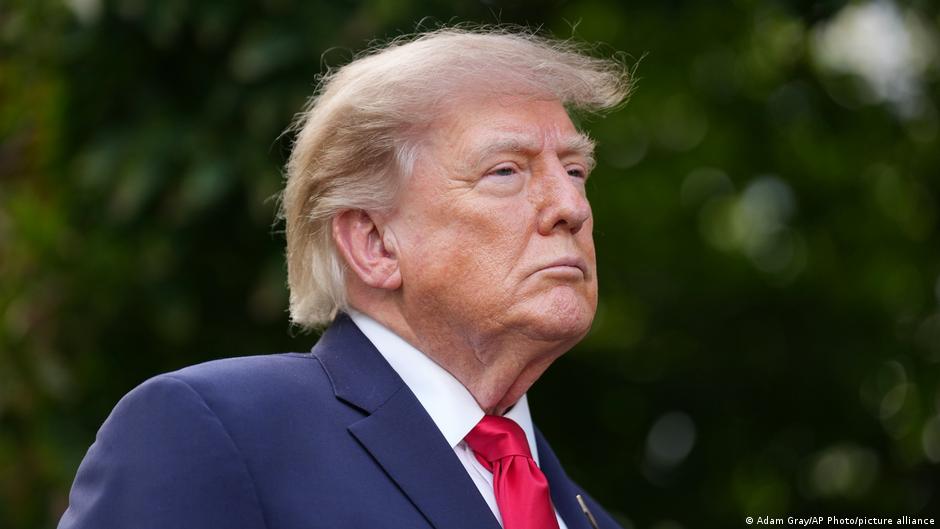
U.S. President Donald Trump expects negotiations with Iran to resume in the coming days, keeping investors focused on the financial and commodity-market implications of the dispute over the Strait of Hormuz, one of the world’s most sensitive maritime chokepoints.
Trump said in a telephone interview with Axios on Sunday, September 27, that he anticipated a new round of talks with Iran in the coming week. His comments followed his rejection of a seven-day proposal from Tehran that would have restored shipping through the Strait of Hormuz under certain conditions.
“I expect new talks with Iran next week. They want to make a deal, but it is not the deal I want to make,” Trump said, according to the report.
The president added that Washington might have accepted such terms a year earlier, but said Iran had “overestimated its strength.” Asked whether he was considering renewed strikes on Iran, Trump said he was “always thinking about it.”
For financial markets, the statement reinforced the view that geopolitical risk around Iran remains a material variable for energy pricing, shipping costs and broader investor sentiment. Any prolonged restriction or uncertainty around the Strait of Hormuz can affect oil flows, insurance premiums, freight pricing and corporate forecasts for energy-intensive sectors. The source report did not provide market data, but the policy signals outlined by Washington and Tehran point to continued volatility risk for companies with exposure to crude supply chains and regional transport routes.
Different Terms for a Possible Agreement
Axios cited two regional sources, who requested anonymity, as confirming Trump’s remarks about a possible resumption of talks between the two countries. Those sources expect Qatari mediators, who previously participated in meetings involving representatives of Washington and Tehran, to meet as early as September 28 with Iranian Foreign Minister Abbas Araghchi and U.S. presidential envoy Steve Witkoff.
The positions described by Axios suggest that the two sides remain divided over both the scope and accounting logic of a possible settlement. Tehran wants any negotiations to focus on fully opening the Strait of Hormuz and lifting the U.S. maritime blockade. Washington, by contrast, is insisting on a broader agreement that would include concessions on Iran’s nuclear program.
That difference matters for investors because a narrow maritime deal could reduce immediate pressure on shipping and oil exports, while a broader agreement would require Iran to address strategic issues that the White House views as central to long-term risk. The wider the negotiating agenda, the harder it may be to achieve a quick resolution. At the same time, a broader deal, if reached, could provide a more durable reduction in geopolitical uncertainty.
Several days earlier, Araghchi said Tehran had proposed that Washington restore shipping traffic through the Strait of Hormuz within a week, provided certain conditions were met, and resume talks on a long-term settlement of the conflict. Media reports cited conditions that included an end to fighting on all fronts, including Lebanon; the lifting of the blockade on Iranian ports; the unfreezing of Tehran’s assets; and the removal of restrictions on Iranian oil exports.
Those terms would carry clear balance-sheet and revenue implications for Iran. The unfreezing of assets would affect liquidity, while the removal of oil-export restrictions would influence potential foreign-currency inflows and fiscal capacity. For energy markets and companies exposed to crude pricing, the proposed reopening of traffic through Hormuz would be significant, but Trump’s rejection indicates that Washington is not prepared to treat maritime access separately from the nuclear file.
Trump Rejects Tehran’s Proposal
On September 26, the White House said Trump had rejected Iran’s offer. The president said Tehran wanted an agreement under which the strait would reopen immediately because Iran was suffering “crushing losses.” He said that Iran wanted a deal and that he considered dealmaking acceptable, but described the specific proposal as unacceptable.
The Wall Street Journal had earlier reported Trump’s decision to reject Iran’s proposal, citing unnamed sources. According to the newspaper, the U.S. president also told aides that he intended to resume bombing Iran after the congressional midterm elections in November. The Journal’s sources said Trump regarded a new military operation as “highly likely,” because he was skeptical that Tehran would meet his demand for a complete abandonment of its nuclear program.
The latest remarks leave corporate planners and investors with several unresolved scenarios. One is a renewed diplomatic channel, mediated by Qatar, that could reduce immediate tensions around Hormuz. Another is a breakdown in talks if Tehran refuses to broaden the discussions to include nuclear concessions. A third is the possibility, raised in reports and by Trump’s own comments, that military action could return to the policy mix.
For financial reporting audiences, the key issue is not only whether talks occur, but what businesses may need to disclose if energy, transport or regional security risks affect earnings expectations. Companies with exposure to oil prices, shipping lanes, insurance costs, Middle East operations or sanctions-sensitive trade may face questions from investors about contingency planning. Lenders and insurers may also monitor whether any agreement changes the risk profile of maritime assets and regional credit exposures.
Trump’s latest comments therefore add a diplomatic timetable to an already complex risk environment. Talks may resume in the coming week, but the gap between Tehran’s immediate priorities and Washington’s broader demands remains wide. Until that gap narrows, investors are likely to treat the Strait of Hormuz dispute as both a geopolitical issue and a financial variable with potential consequences for revenue, costs and capital allocation.