France and Poland Launch Military Satellite Project to Strengthen EU Defense Autonomy
France and Poland collaborate on a military communications satellite to enhance European defense independence and reduce reliance on non-European providers.
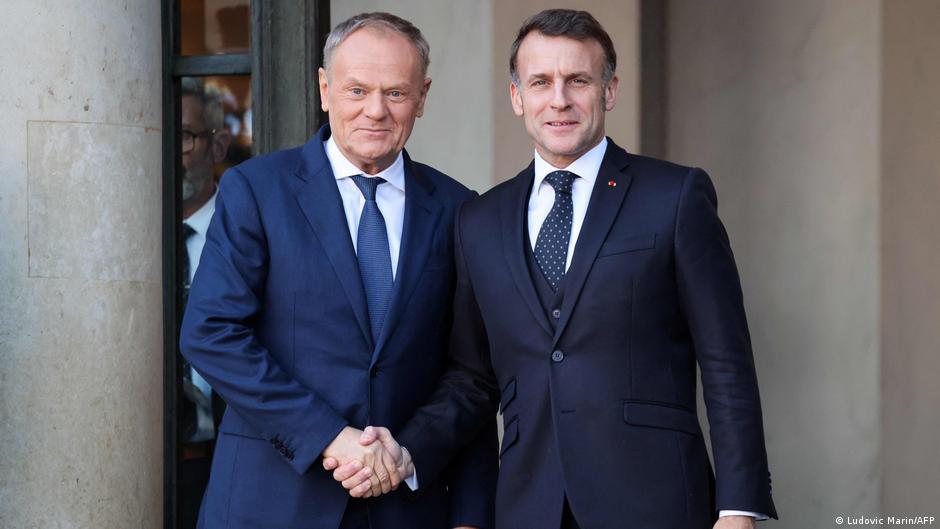
France and Poland have initiated a joint project to develop a military communication satellite dedicated to the Polish armed forces, marking a pivotal move towards bolstering Europe’s autonomous defense infrastructure. The project was announced during a high-level meeting in Gdańsk on April 20, where French President Emmanuel Macron and Polish Prime Minister Donald Tusk outlined the strategic rationale behind the collaboration.
Strategic Focus on Defense Independence and Security
The collaborative effort, involving aerospace and defense industry leaders such as Thales Alenia Space, Airbus Defence and Space, and RADMOR, aims to establish a secure communication network tailored for Poland’s military needs. This initiative reflects a conscious effort to reduce dependency on external systems like SpaceX’s Starlink, which, while technologically advanced, poses geopolitical and operational risks due to its private ownership and non-European control.
"Europe seeks to reduce strategic vulnerabilities by developing independent satellite services, mitigating risks associated with reliance on politically unpredictable external actors."
The project aligns with the European Commission’s broader defense strategy targeting full operational autonomy by 2030. This strategy emphasizes the creation of indigenous technological capabilities to secure Europe’s defense posture and mitigate external dependencies that could compromise operational readiness.
Implications for EU Defense Policy and Investment
During the discussions, Macron and Tusk also emphasized other critical security domains, including nuclear deterrence, energy security, and the European Union’s Security Action for Europe (SAFE) initiative. The SAFE fund is designed to finance projects that enhance the EU’s defense capabilities, signaling increased investment in integrated security solutions among member states.
The leaders further detailed plans to expand cooperation on missile defense systems, long-range weaponry, and early warning networks for missile attacks. These initiatives are indicative of a strategic shift towards consolidated defense infrastructure within the EU, addressing evolving threats more effectively through coordinated technological and operational frameworks.
Financial and Geopolitical Ramifications
From a financial perspective, the France-Poland satellite venture exemplifies the rising importance of technological sovereignty in strategic sectors, prompting increased capital flows into defense-related innovation and infrastructure. This trend is likely to reshape investment priorities, with governments and institutional investors focusing on resilience and autonomy in critical systems.
Moreover, this state-led collaboration signals evolving dynamics in the global defense market, where public-sector partnerships aim to counterbalance the influence of dominant private-sector technology providers. The shift could influence supply chain structures, investment patterns, and geopolitical alliances, potentially recalibrating transatlantic defense collaboration and global security architectures over the long term.
As European nations continue to prioritize defense independence, the financial and operational outcomes of projects like the France-Poland military satellite will be closely monitored by investors, policymakers, and defense strategists worldwide.