Tashkent Farmer Markets Show Robust Profit Growth in 2025 Amid Sectoral Disparities
Most Tashkent farmer markets report significant profit increases in 2025, while select markets face downturns, reflecting diverse economic dynamics.
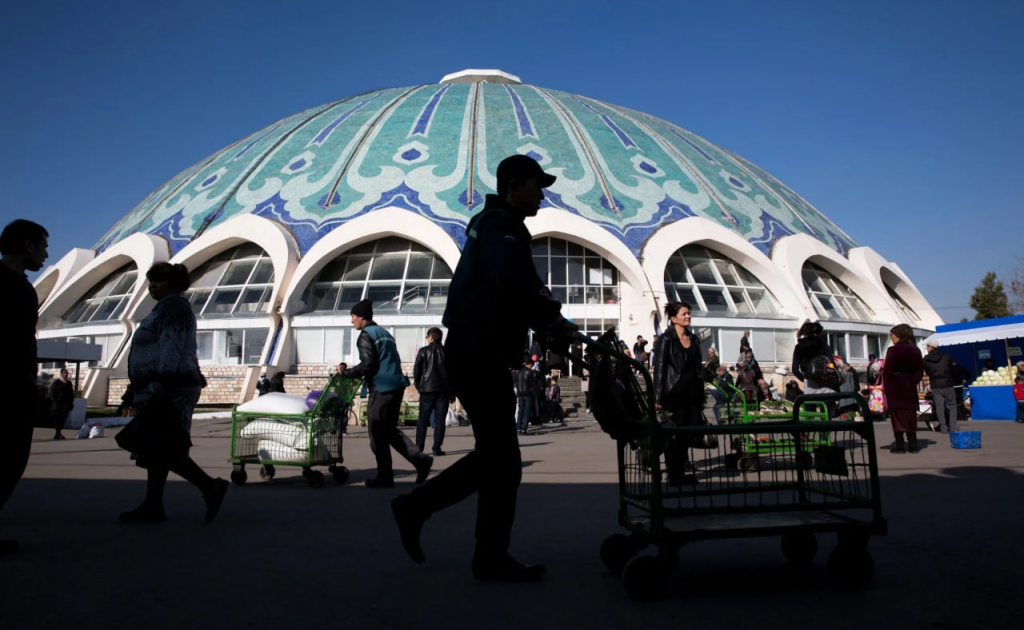
Tashkent's agricultural market sector recorded substantial profit growth in 2025, reflecting evolving consumer behavior and shifting economic conditions in Uzbekistan's capital. While the majority of farmer markets demonstrated remarkable gains compared to 2024, certain localized declines expose underlying structural challenges within the market landscape.
Strong Financial Performance Across Key Agricultural Markets
The "Askiya" farmer market led profit growth with an outstanding rise to 7.95 billion Uzbek soms in annual net profits for 2025, a significant increase from just 4.1 million soms in the previous year. This exponential growth signals both robust demand and the successful implementation of market strategies that have enhanced operational efficiency.
Close behind, the "Mirobod" market reported profits totaling 6.2 billion soms, up by 1.8 billion soms year-over-year. These results underscore sustained consumer spending and effective supply chain management across Tashkent’s agricultural trade hubs.
The "Farhod" and "Chorsu" markets secured third and fourth positions respectively, generating profits of 3.7 billion and 3.1 billion soms. Their solid performances highlight broad-based growth in the agricultural sector and an expansion of commercial activity across the city’s key marketplaces.
Meanwhile, the "Yunusobod" market maintained a stable financial trajectory, posting a modest profit increase of 50 million soms to reach a total of 2.6 billion soms. This stability suggests a consistent consumer base and resilient supply chain logistics despite market fluctuations.
Market Challenges and Sectoral Disparities
"The decrease in profits at the 'Qo‘yliq' farmer market, down by 1.6 billion soms to 557.3 million soms, indicates localized challenges despite overall market growth."
In contrast to overall sector growth, the "Qo‘yliq" farmer market experienced a significant downturn, with profits falling by 1.6 billion soms to just 557.3 million soms in 2025. This decline highlights uneven growth trajectories within Tashkent’s market ecosystem and suggests the presence of localized economic or structural barriers.
Outside the agricultural domain, the "Sergeli" automobile market achieved substantial gains with a net profit of 18.85 billion soms in 2025. Such exceptional growth within the automotive sector points to a diversification of consumer demand and an increase in purchasing power among residents, reflecting broader trends in urban economic development.
Implications for Economic Policy and Investor Relations
The pronounced profit growth in most farmer markets indicates rising consumer spending power and improvements in market efficiencies, likely driven by ongoing economic reforms and urbanization trends. Enhanced retail infrastructure and optimized supply chains have contributed to these positive financial outcomes.
However, the contrasting performance of markets like "Qo‘yliq" signals the need for targeted policy measures to address localized economic disparities and support inclusive development. Policymakers and investors should prioritize monitoring sectoral performance to identify risk factors and growth opportunities within Tashkent’s evolving market landscape.
The surge in automobile market profitability also suggests shifting consumer preferences that may influence urban transport strategies and environmental planning. As Tashkent’s economy diversifies, these trends will be pivotal for long-term sustainable growth.
Overall, the 2025 financial results from Tashkent’s markets underscore the importance of adaptive economic policies and strategic investor engagement to foster balanced and resilient urban economic development.