Russia’s July Oil and Gas Revenues May Surge 60% Year-on-Year Amid Price Rise
Higher global oil prices could boost Russia's July petroleum revenues by 60% compared to last year, despite overall declines for the year-to-date.
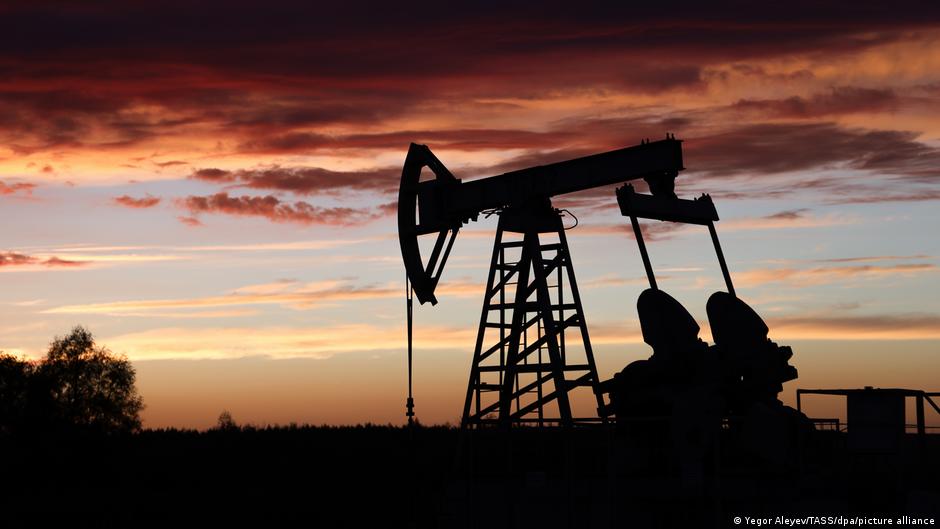
Russia's revenues from oil and gas sales in July 2025 are projected to increase by approximately 60% compared to the same month last year, driven predominantly by rising global oil prices, according to calculations released by Reuters on July 23.
As the world's third-largest oil producer and exporter after the United States and Saudi Arabia, Russia's hydrocarbon revenues constitute about one-fifth of the federal budget inflows. The revenue uptick in July is attributed primarily to the recent surge in global crude prices, alongside a substantial rise in profit taxes from oil extraction recorded in the second quarter of 2025.
Financial Implications and Year-to-Date Performance
Despite the strong July performance, Reuters' analysis indicates that cumulative revenues from oil and gas exports for January through July 2025 may fall roughly 11% short of the same period in 2024, amounting to approximately 4.9 trillion rubles. Official figures from the Russian Finance Ministry are expected to be published on August 5.
Last year, the Russian federal budget's oil and gas revenues declined by 24% to 8.48 trillion rubles, marking the lowest annual total since 2020. This downward trend reflects ongoing challenges including market volatility and geopolitical pressures.
"Oil and gas revenues remain critical to Russia's federal budget, accounting for about 20% of overall inflows, but recent fluctuations underscore persistent uncertainties in the energy sector," analysts note.
On July 23, the European Union implemented its 21st package of sanctions against Russia, targeting revenue streams from oil sales among other measures. The EU aims to constrain financial resources that could potentially be used to fund Russia’s military operations in Ukraine.
These sanctions may pose headwinds for Russian energy exports moving forward, though the immediate impact on July revenues appears limited due to the timing and the recent price environment.