Ukraine Requests UN Security Council Meeting Amid Russian Attacks on Black Sea Trade Vessels
Ukraine condemns Russian assaults on commercial ships in the Black Sea as economic and humanitarian terrorism threatening global food security.
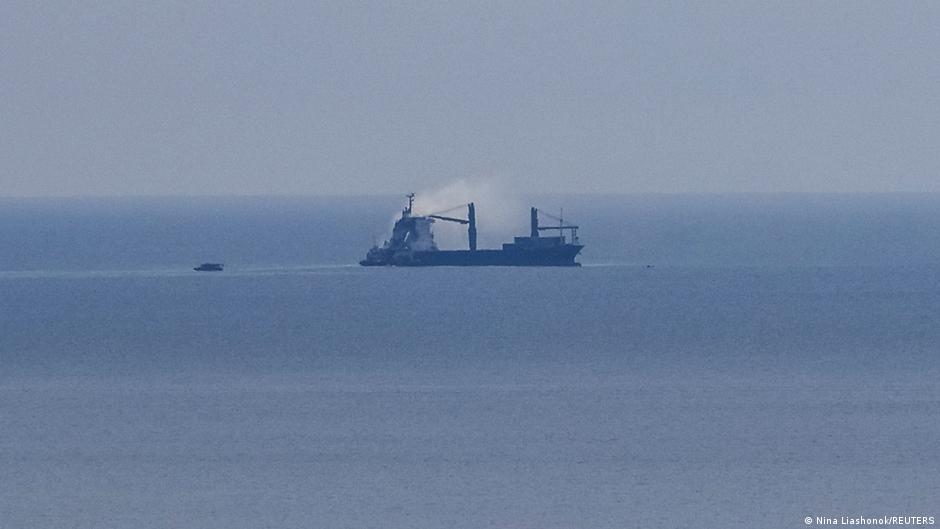
Ukraine has formally requested an urgent meeting of the United Nations Security Council on July 27, 2024, in response to ongoing Russian attacks on civilian trade vessels operating in the Black Sea. Ukrainian Foreign Minister Andriy Sybiha characterized these assaults as "economic and humanitarian terrorism," highlighting the severe risks posed to global trade routes and food security.
Impact on Trade and Global Food Markets
Sybiha emphasized that by targeting commercial shipping lanes, Russia is deliberately undermining the stability of global markets, particularly the supply of vital food commodities. "If this terrorism continues," he warned, "millions of families across Africa, Asia, the Middle East, and Latin America may face rising prices and hunger." The disruption of Ukrainian exports through the Black Sea threatens to exacerbate existing food insecurity in vulnerable regions dependent on grain and agricultural shipments.
"Russia's actions represent a conscious economic and humanitarian terror that endangers the security of the global food market," said Ukrainian Foreign Minister Andriy Sybiha.
Despite the attacks, Ukrainian authorities report that the Black Sea maritime corridor remains operational. The Ministry for Restoration, Infrastructure, and Transport confirmed that the Port of Chornomorsk continues functioning normally as part of the broader Greater Odessa port system, facilitating exports and upholding international trade contracts. However, on July 22, no vessels passed through the corridor, signaling suppression of shipping activity amid security concerns.
Diplomatic Efforts and Security Cooperation
In parallel with the UN Security Council request, Sybiha engaged in direct diplomatic consultations with key partners. On July 22, he spoke with German Foreign Minister Johann Wadephul to discuss rapidly evolving security challenges in the Black Sea region. The two agreed on the necessity of coordinated actions to restore freedom of navigation, enhance maritime security, and mount a unified international response.
Additionally, Sybiha's dialogue with Estonian Foreign Minister Margus Tsahkna revolved around similar themes including strengthening Ukraine's air defense capabilities, expanding defense industrial cooperation with Berlin, and fostering collaborative efforts aimed at boosting Ukraine’s post-conflict recovery and regional security.
Military Context and Maritime Engagements
According to Ukrainian reports, Russia has attacked at least three civilian cargo vessels in the Black Sea in recent days. Meanwhile, Ukrainian drone forces claim to have targeted 126 vessels associated with the Russian "shadow fleet" in the Sea of Azov and 70 vessels in the Black Sea between July 6 and 22. Russia has countered by accusing Ukraine of using commercial ships to transport weapons under the guise of civilian cargo, framing these operations as part of Ukraine's defensive war effort.
The ongoing maritime conflict underscores the strategic importance of the Black Sea for Ukraine’s export economy and the broader geopolitical contest in the region. Any prolonged disruption threatens not only Ukraine’s economic stability but also the global supply chains of essential goods.
As Ukraine pushes for international diplomatic intervention and stronger security measures, investors and market analysts remain attentive to developments that could affect commodity flows and regional economic resilience.