German Government Approves 2027 Budget with Increased Defense Spending and Borrowing
The federal budget plan for 2027 projects a 6% rise in expenditures and a significant increase in borrowing, driven by defense and social spending needs.
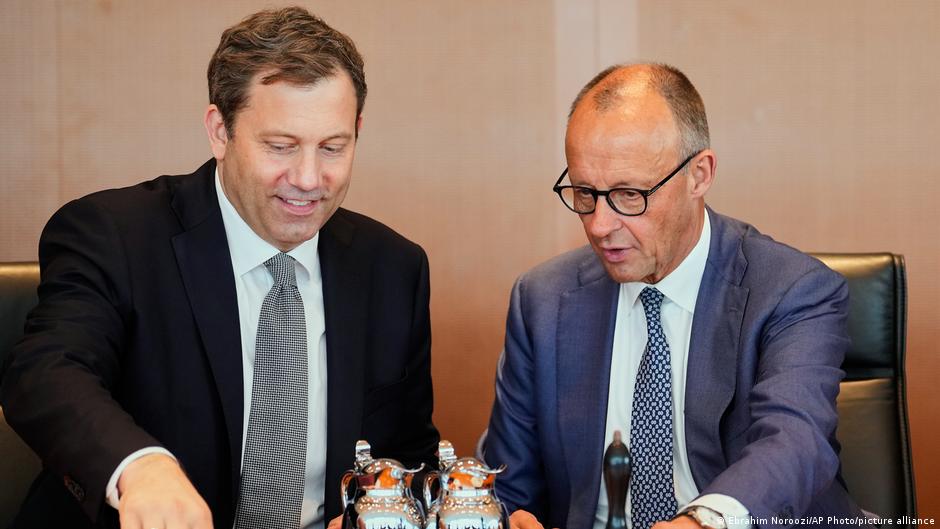
On July 6, the German government approved the draft federal budget for 2027, prepared by Finance Minister Lars Klingbeil. The budget anticipates a rise in both planned expenditures and new borrowing, sparking debate about fiscal priorities and economic sustainability.
The total planned expenditure for 2027 is set at €555.4 billion, representing an almost 6% increase compared to the current year. Meanwhile, net new borrowing is expected to rise to €118.7 billion, up from €98 billion in 2024.
Key Budget Allocations and Increases
The largest share of the budget is allocated to the Federal Ministry of Labour and Social Affairs, with €201.4 billion aimed primarily at pension payments. The second-largest allocation goes to the Ministry of Defense, whose budget is slated to increase by 32.7%, from €82.69 billion this year to €109.75 billion in 2027. The Ministry of Transport ranks third, with an allocation of €26.43 billion.
Finance Minister Lars Klingbeil justified the increase in spending and borrowing by citing the strained security environment linked to the Russian threat. He emphasized the necessity of reversing decades of underfunding that weakened the armed forces and asserted that Germany cannot ensure its defense under a balanced budget regime.
“We must catch up on three decades of underinvestment that have weakened our armed forces, and we need to do it within a very short timeframe,” Klingbeil stated. “We will not be able to defend ourselves from Putin with a no-deficit budget.”
Industry Reactions and Economic Concerns
The Federal Association of German Industry (BDI) expressed concern over the planned increase in spending and borrowing. CEO Tanja Gönner warned that such fiscal policy raises alarms and stressed the need for measures that stimulate economic growth and improve the efficiency of public spending.
Similarly, Helena Melnikov, CEO of the Federation of German Chambers of Commerce and Industry (DIHK), urged budget adjustments. She pointed out that by 2030, social welfare, defense, and debt interest payments will collectively consume 80% of the budget, leaving little room for growth-stimulating investments.
Critics also noted the controversial decision to redirect funds from the Climate and Transformation Fund into the main budget, potentially undermining Germany’s climate goals.
Implications for Investors and Fiscal Outlook
The approved draft budget signals Germany’s willingness to increase fiscal flexibility to address geopolitical risks, notably heightened defense expenditures. However, the expansion in borrowing raises questions about long-term debt sustainability and potential impacts on credit ratings.
Investors and market participants will likely monitor parliamentary approval processes closely, as the Bundestag’s final endorsement will determine the exact fiscal trajectory. The tension between rising mandatory social spending and strategic defense investments challenges policymakers to balance fiscal responsibility with economic growth imperatives.