Cuba Faces Another Nationwide Blackout Amid Intensifying US Economic Pressure
Cuba's electrical grid collapsed again amid worsening fuel shortages and stalled US-Cuba negotiations.
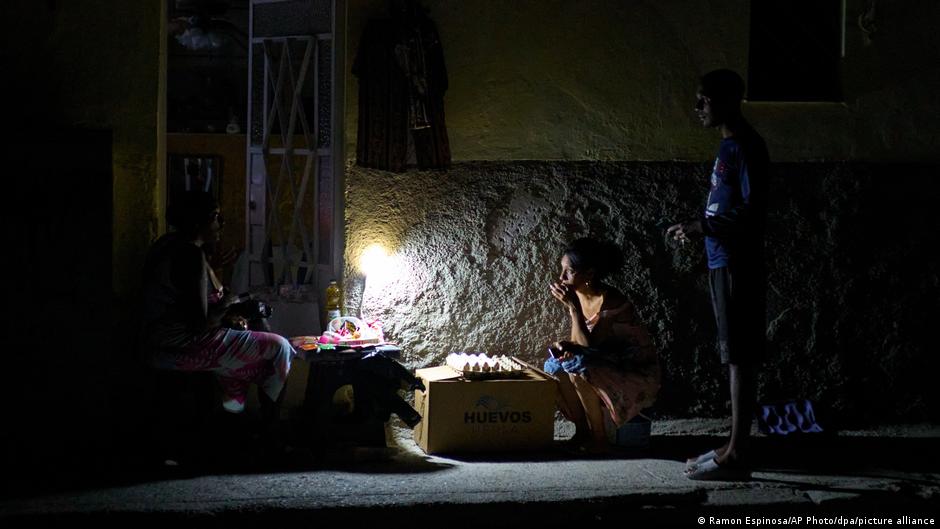
Cuba's electricity grid experienced a complete failure again on Monday, July 6, as reported by the state-owned operator Unión Eléctrica. The government has already initiated efforts to restore power supply while investigations continue into the cause of the outage.
This latest blackout occurs amid heightened economic and political pressure from the United States, intensifying an ongoing energy crisis on the island. Cuba currently produces only about 40% of the fuel needed to sustain its electricity demands.
Impact of US Sanctions on Cuba's Energy and Economy
Since January 2026, US sanctions have severely restricted Cuba's access to oil imports, permitting fuel delivery solely from one Russian tanker that arrived in late March. The 730,000 barrels of oil from that shipment were depleted by May, exacerbating existing shortages. Bloomberg highlights how the US embargo has significantly worsened chronic power outages in Cuba, where around 11 million people reside.
In May, Cuban authorities declared their fuel reserves completely exhausted. Over recent months, Cuba has faced multiple large-scale electricity disruptions: a nationwide blackout lasting several hours in mid-March and a similar outage impacting the eastern provinces in May. To manage the crisis, the government has implemented scheduled power cuts, sometimes lasting up to 24 hours, as part of energy-saving measures.
"The continuation of these blackouts reflects the deepening energy crisis driven by external sanctions and internal supply limitations," said an energy sector analyst.
In response to the prolonged crisis, Cuba has embarked on major economic reforms, including the largest partial privatization effort in 65 years. In June 2026, the government proposed nearly 200 market-oriented reforms aimed at attracting investment and seeking relief from the US fuel blockade.
However, diplomatic talks between Cuba and the United States have stalled. According to Bloomberg, the Trump administration is relying on sustained economic and political pressure to induce a regime change in Havana.