Global Oil Reserves Decline at Record Pace Amid Middle East Conflict
April sees unprecedented 200 million barrel drop in oil stocks despite falling demand, signaling tight supply risks ahead.
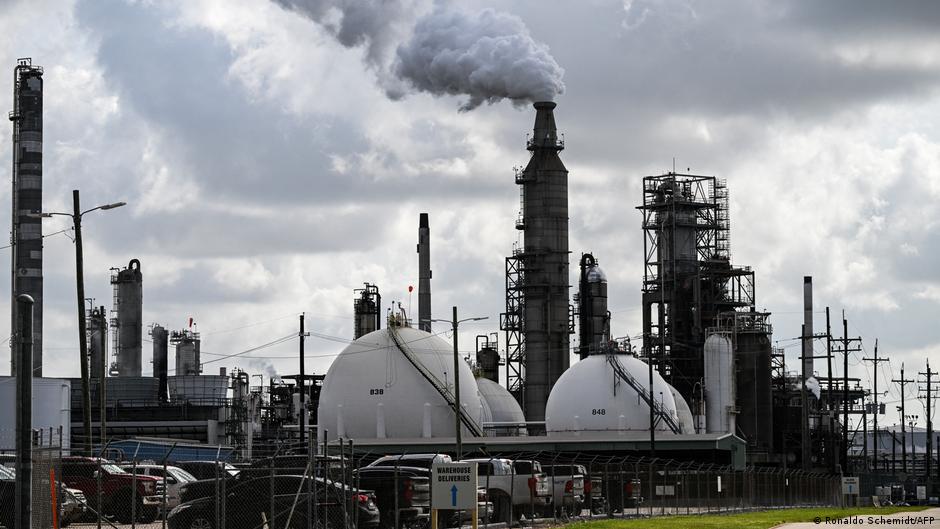
Global Oil Inventories Plunge Despite Weakened Demand
According to analysts from S&P Global Energy and Goldman Sachs, global oil inventories shrank by a record 200 million barrels in April, even as demand decreased sharply. This significant drop comes amid heightened geopolitical tensions in the Middle East, notably the conflict involving the United States, Israel, and Iran, which has disrupted supply channels and increased crude oil prices.
S&P Global Energy estimates that oil stockpiles declined by 6.6 million barrels per day in April. This reduction occurred despite a simultaneous 5 million barrels per day contraction in oil demand—the second-largest demand decline in recorded history, surpassed only by the COVID-19 pandemic era. Goldman Sachs concurs with this assessment, noting that global oil inventories are approaching their lowest levels in eight years.
In Northern Europe, aviation fuel reserves have also reached a six-year low, according to data from Argus. While the primary effects have been observed in Asian markets so far, the United States is at risk of gasoline inventories falling to historically low levels ahead of the summer peak travel season.
Supply Constraints Heighten Market Risks
The ongoing Middle East conflict and the blockage of the Strait of Hormuz have deprived the oil market of approximately 1 billion barrels of supply. Traders warn that global inventories are nearing a critical threshold, potentially within weeks, which could exacerbate supply tightness and prompt further price increases.
"These are enormous scale reductions, far beyond the usual range," said Jim Burkhard, head of oil market research at S&P Global Energy. "The market has yet to fully react to these record inventory drawdowns, so further oil price increases lie ahead."
Global oil inventories are estimated at about 4 billion barrels, but much of this volume is tied up in necessary operational holdings that support refinery and pipeline functions. The sizable drawdown in available stocks underscores the narrowing cushion that buffers supply disruptions and heightened geopolitical risk.
From a financial perspective, the dramatic inventory decline signals a tightening supply environment despite weakening demand metrics. This paradox reflects the complex dynamics of geopolitical disruptions, supply chain bottlenecks, and market sentiment that investors and industry stakeholders must monitor closely. The evolving situation may impact quarterly earnings for oil producers and refiners, with potential margin pressures driven by volatile pricing and constrained volumes.
Investor relations teams should prepare for increased scrutiny regarding supply forecasts and risk management strategies as markets adjust to these unprecedented inventory shifts. The oil sector's balance sheets could face challenges if sustained supply constraints lead to price volatility and fluctuating demand patterns.