UAE Reports Iranian Missile and Drone Attacks Amid Regional Tensions and Economic Risks
Iran launched multiple missile and drone strikes against the UAE, raising concerns over regional stability and impacts on economic and energy sectors.
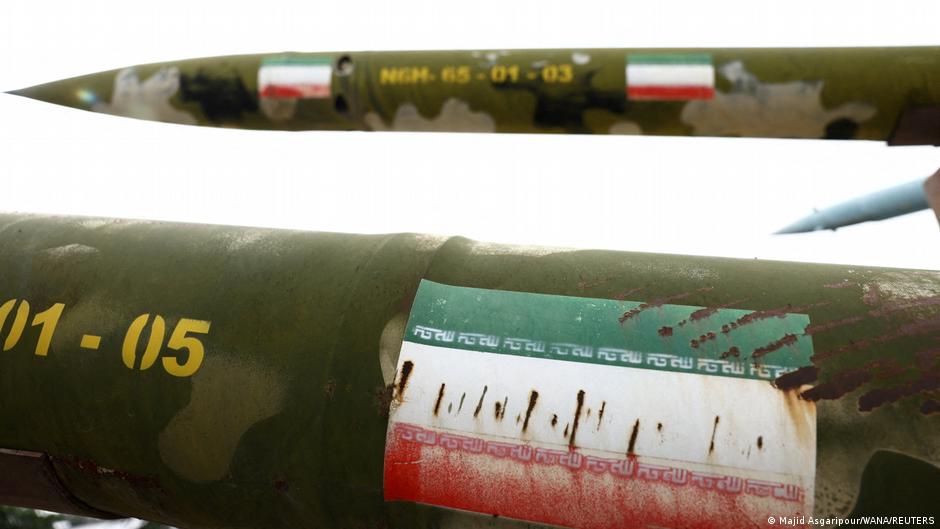
The United Arab Emirates (UAE) announced renewed missile and drone strikes launched by Iran, marking the first such attacks since a ceasefire agreement was reached between the United States and Iran last month. The development has heightened geopolitical tensions and posed potential risks to the region's economic stability, particularly the energy sector vital to global markets.
Details of the Attacks and Immediate Impact
On May 4, the UAE's Ministry of Defense confirmed that its air defense forces intercepted 19 projectiles—comprising 12 ballistic missiles, three cruise missiles, and four drones—fired from Iranian territory. The strikes targeted the Fujairah oil industrial complex, a key hub for energy infrastructure in the region. A fire reportedly broke out at the facility following a drone impact.
Three Indian nationals were injured in the assaults and hospitalized. Additionally, the UAE authorities transitioned school classes to an online format from May 5 to 8 as a precautionary measure amid the heightened security concerns.
The UAE government condemned the attacks as a "dangerous escalation," emphasizing its right to take lawful retaliatory actions. Officials warned that such provocations jeopardize the stability critical for investor confidence and economic growth in the country.
"The UAE leaves for itself the full and lawful right to respond to these attacks," the Ministry of Foreign Affairs stated.
Broader Regional and International Responses
While Iranian state television cited a military official denying any plans to attack the UAE, the strikes have nonetheless exacerbated regional tensions. Neighboring Oman also reported damage after an attack on the city of Bukha near the UAE border, injuring two expatriate workers and damaging a residential building.
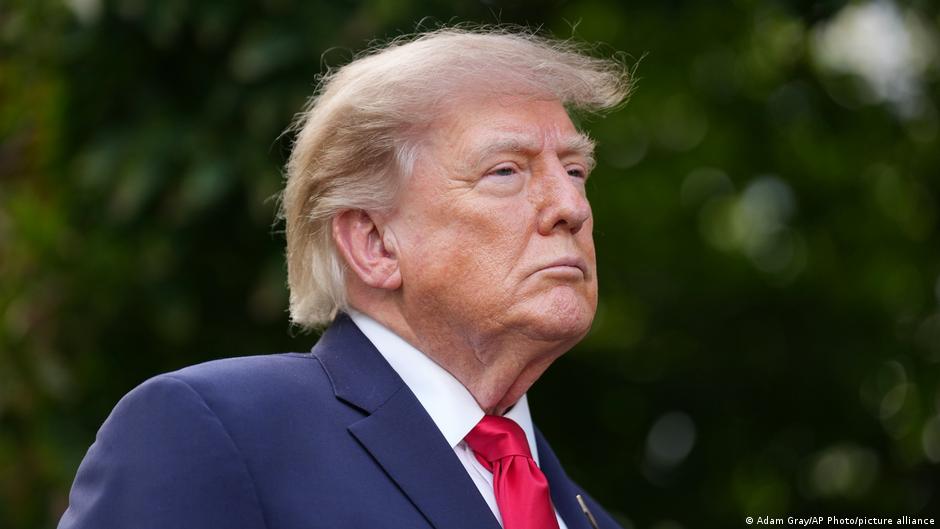
Former U.S. President Donald Trump commented on social media about Iranian strikes including attacks on a South Korean vessel in the strategically vital Strait of Hormuz. Trump noted that U.S. forces had neutralized several Iranian boats, suggesting Iran's naval capabilities were diminished.
In parallel, the United States announced "Project Freedom," a mission to escort commercial vessels navigating the Strait of Hormuz, a critical chokepoint for global oil shipments. Iran warned that U.S. interference in the strait could violate the ceasefire established on April 8, further complicating the geopolitical landscape.
German Chancellor Friedrich Merz expressed solidarity with the UAE, condemning the Iranian attacks as unacceptable provocations. He urged Tehran to return to diplomatic negotiations and halt actions that threaten regional and global security.
"The blockade of the Strait of Hormuz must end. Tehran must not develop nuclear weapons or continue to threaten our partners," Merz stated, highlighting the importance of stability for international trade and energy markets.
Financial and Economic Implications
The missile and drone strikes targeting vital energy infrastructure in the UAE underscore the fragility of conditions impacting investors and global energy prices. The Fujairah oil complex is central to the UAE's oil export capacity, and disruptions can ripple through global supply chains, affecting refinery operations and commodity markets.
Investor sentiment may be affected by the increased geopolitical risk premium associated with regional instability. Moreover, the escalation challenges the ongoing efforts to stabilize energy markets post-pandemic and amidst fluctuating demand.
Market analysts suggest that continued hostilities could prompt multinational companies to reassess risk exposure in the Gulf region, potentially influencing foreign direct investment and regional economic growth forecasts.
As the UAE navigates this complex security environment, the government’s responses and international diplomatic efforts will be closely monitored by investors and policymakers seeking assurances of stability and continuity in energy supply chains.