Founder of Gulagu.net Suspends Operations Amid Intensifying Risks and Financial Strain
The human rights project Gulagu.net pauses its activities due to escalating threats, legal pressures, and a challenging global context impacting funding and operations.
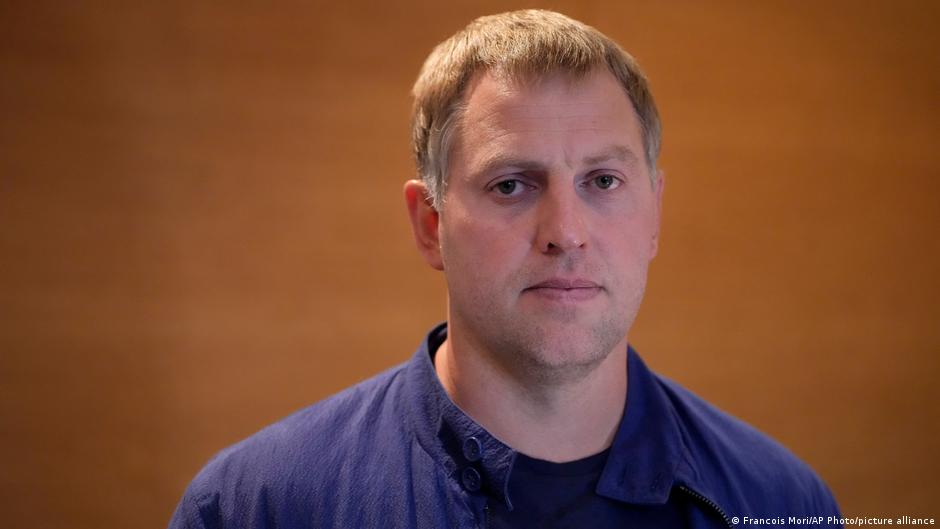
Vladimir Osechkin, the founder of Gulagu.net—a prominent human rights project focused on assisting prisoners in Russian detention facilities—has announced the suspension of the initiative amid a complex global crisis impacting both operational capacity and financial sustainability.
Operational and Financial Challenges Amid Heightened Risks
Speaking to n-tv, Osechkin cited a widespread state of crisis affecting all who oppose torture, violence, and war. He emphasized that international law is under severe strain and human rights concerns have been deprioritized, with media attention shifting towards billionaires and celebrities rather than ongoing human suffering. This shift, combined with increasing political and security pressures, has eroded the foundation supporting Gulagu.net’s work.
“We—and all those who stand against torture, violence, and war—are in a state of global crisis. Many of my colleagues remain silent, and this silence harms not only our mission but the world at large,” Osechkin stated.
Gulagu.net has not received any human rights awards to date, according to Osechkin, who lamented that international recognition and institutional support have favored public figures who conform to sanitized narratives. Meanwhile, Gulagu.net’s direct exposure to abuses and its willingness to document war crimes have made it a target for state repression.
Osechkin’s personal security concerns are acute. He revealed that since 2025, multiple Russian agents have been apprehended in France planning his assassination, and that his family and team are under police protection. The French anti-terrorism prosecutor is actively investigating these threats. Due to these dangers, Gulagu.net’s operational costs and safeguarding measures have increased substantially, further straining financial resources.
Legal pressures have compounded the financial challenges. Osechkin faces multiple legal actions in Russia, including a 2020 conviction in absentia on fraud charges and a 2025 sentence of eight years over distributing allegedly false information about the Russian military. Several collaborators within Russia have received prison sentences linked to their work with Gulagu.net. Such repression hampers fundraising efforts and complicates partnerships with international donors concerned about legal and reputational risks.
The geopolitical environment also affects resource flows. Osechkin highlighted restrictive visa policies by the United States and Europe, curtailing mobility and complicating international advocacy and fundraising. He also predicted the likelihood of another Russian military mobilization in the coming autumn, which could further destabilize the conditions under which Gulagu.net operates.
Since 2015, Osechkin has lived in exile in France after refusing to hand over Gulagu.net data to Russia’s Federal Security Service. This status complicates financial transparency and investor confidence, critical factors for sustained project funding in the nonprofit sector.
Ultimately, the decision to halt Gulagu.net’s activities reflects a convergence of security threats, legal risks, and financial difficulties that have undermined the project’s viability. This development signals a broader warning about the fragility of human rights organizations operating under authoritarian regimes and in hostile global environments.