Belgorod Reservoir Experiences Significant Water Level Drop Following Ukrainian Military Strikes
Uncontrolled water discharge after July 2026 attacks has severely reduced water levels at Belgorod Reservoir, impacting regional infrastructure and resource management.
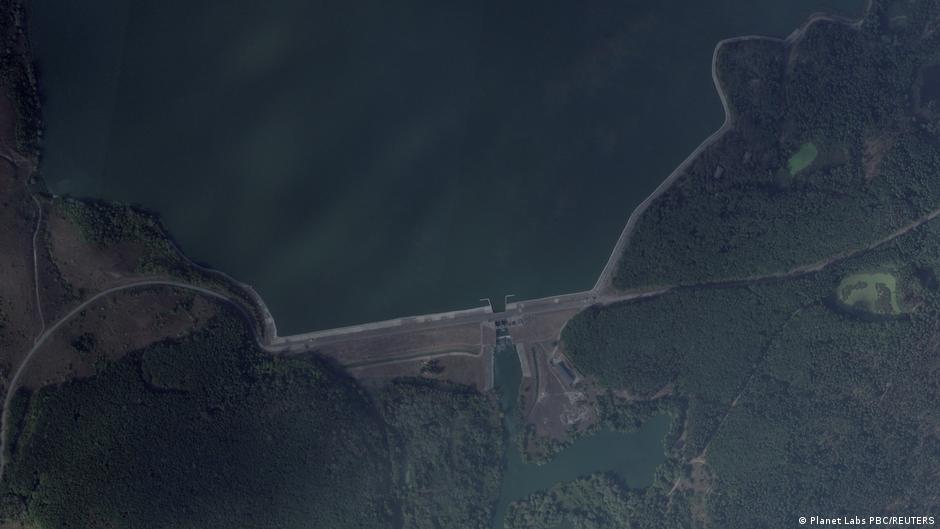
In July 2026, multiple strikes by Ukrainian military forces targeted the dam at the Belgorod Reservoir, resulting in an uncontrolled release of water and a substantial decline in reservoir levels. Local sources report that water depth has decreased dramatically, now ranging between 10 and 40 centimeters in affected areas.
Impact on Hydrological Infrastructure and Regional Water Supply
The controlled management of the dam was disrupted following the attacks near the villages of Bezlyudovka and Grafovka within the Shebekinsky district. This disruption led to a rapid and unregulated discharge of water from the reservoir. Local Telegram channels have detailed the immediate consequences, noting that the water has receded to the historic riverbed of the Seversky Donets River.
Authorities in the Belgorod region have since intervened to halt the uncontrolled water discharge. Despite these efforts, the reservoir's water volume remains critically low, posing challenges to water resource management and regional infrastructure stability.
"The current water depth in the reservoir varies from 10 to 40 centimeters," noted regional urbanist Vladimir Titov, highlighting the severity of the decline.
The reservoir has been targeted multiple times in the past, including previous UAV and missile strikes in October 2025 that damaged hydraulic structures and caused water release. This pattern of repeated attacks has raised concerns about long-term impacts on the reservoir's operational capacity and the wider regional water security.
From a financial and operational perspective, the damage to the Belgorod Reservoir infrastructure may necessitate increased capital expenditure for repairs and maintenance. Furthermore, the instability in water levels could affect sectors reliant on consistent water supply, potentially influencing regional economic performance and investor confidence in public utilities.
Financial stakeholders monitoring infrastructure and regional resource management will need to assess the potential fiscal implications, including increased costs related to emergency measures, repair works, and possible disruptions in industrial or agricultural activities dependent on the reservoir.