US Announces New Negotiation Phase with Iran Amid Military and Diplomatic Developments
President Trump signals a strategic shift towards diplomacy with Iran, delaying military strikes and initiating talks on key security issues.
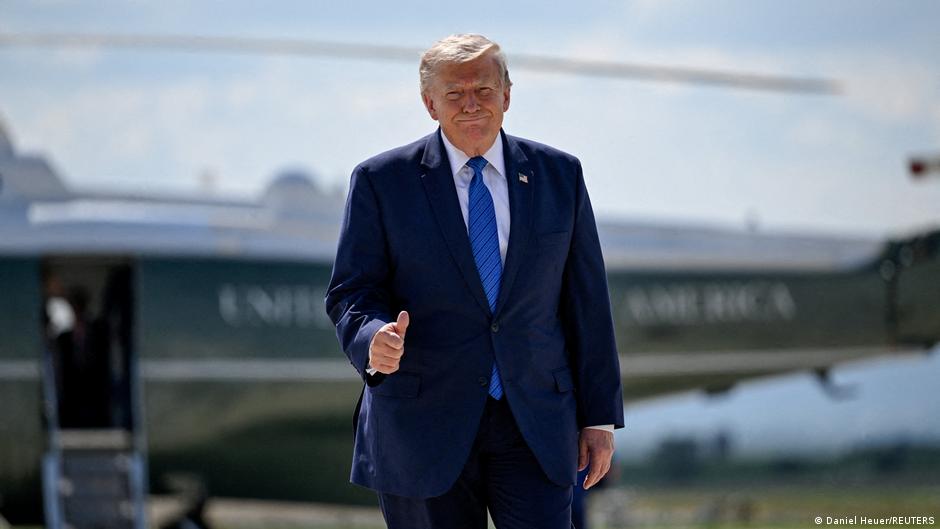
US President Donald Trump announced that a new phase of negotiations between Washington and Tehran will commence on Monday, August 3. This development follows earlier decisions by the White House to postpone additional military strikes against Iran, citing agreed parameters for a potential deal.
Diplomatic Engagement and Strategic Calculations
Speaking to reporters aboard Air Force One, President Trump emphasized that the United States had chosen to forgo further military actions to allow diplomatic efforts to take precedence in resolving the ongoing conflict with Iran. "This will save many lives," Trump remarked, underscoring the administration's shift towards negotiation.
He indicated that the forthcoming agreement could involve critical issues such as security in the Strait of Hormuz and Iran's nuclear program. "I would prefer to make a deal. I don't like killing people," the president stated, while also noting that Washington retains the option to resume strikes if deemed necessary.
"We were prepared to act with a level of military deterrence and power not seen since World War II, but decided to hold back for the future good of the world," Trump said.
This new diplomatic overture follows a request from Iran and Middle Eastern countries, which led the US and Israel to delay planned attacks. Earlier, in June 2026, the two nations signed a memorandum of understanding establishing a 60-day ceasefire and a framework for peace talks. Despite this, US forces resumed attacks citing violations of the truce by Iran.
Recent Military Actions and Regional Impacts
On July 30, US military forces launched strikes targeting dozens of sites associated with the Islamic Revolutionary Guard Corps (IRGC), including command centers and missile and drone launch facilities. Iranian state media reported civilian casualties resulting from missile strikes, including the death of three individuals in a residential area on Qeshm Island.
These developments have significant implications for investor confidence and regional economic stability. The prospect of easing tensions could influence energy markets, particularly through the security of the Strait of Hormuz, a vital shipping route for global oil supplies. Financial analysts will be closely monitoring the outcomes of these negotiations for potential impacts on oil prices, regional trade, and multinational corporate operations.
Investor relations teams of companies with exposure to Middle Eastern markets will need to evaluate these political risks in their upcoming quarterly reports. Additionally, balance sheets of energy firms and defense contractors may reflect market responses to shifts in geopolitical risk.