Kharkiv Drone Strike Hits Homes and Industrial Building, Injuring Four
The overnight attack damaged residential and production properties, but officials provided no estimate of the financial losses.
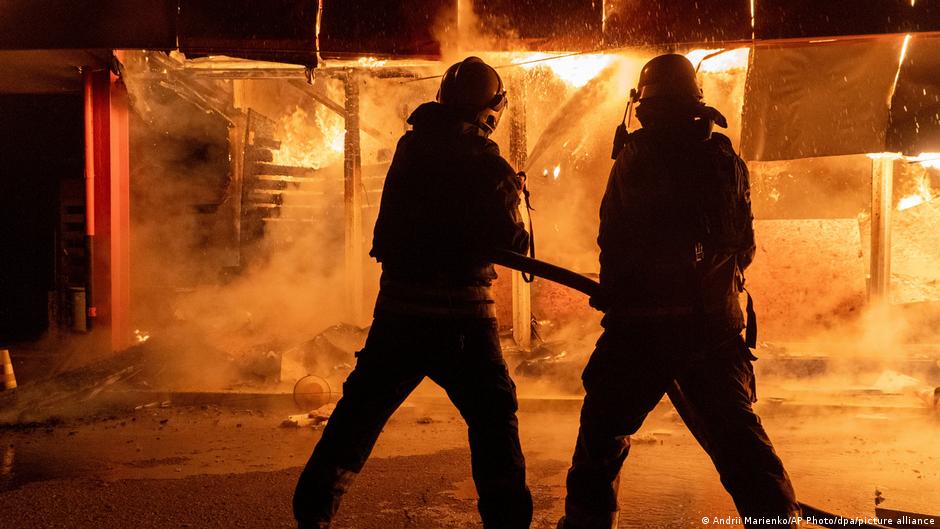
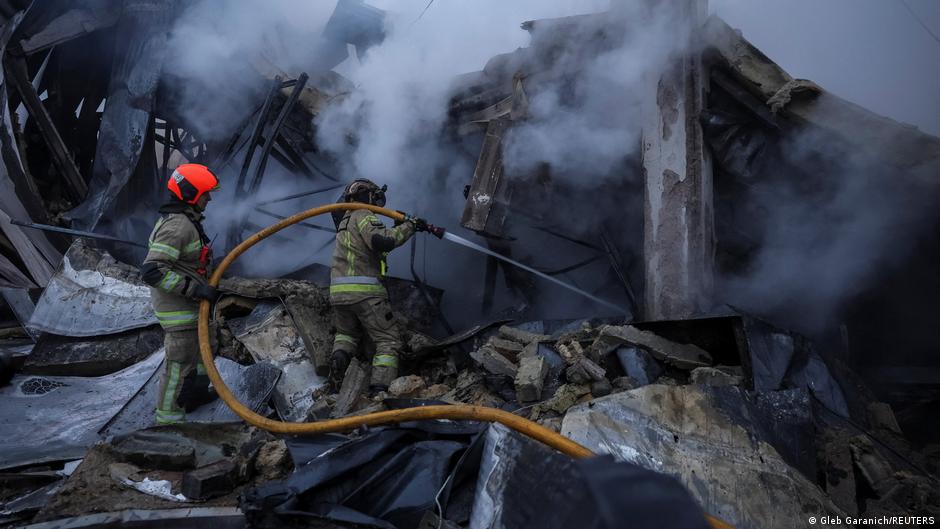
A Russian drone struck a residential building in Kharkiv overnight, injuring four people and starting fires at residential and industrial properties, according to regional and city authorities.
The attack occurred in Kharkiv’s Osnovianskyi district during the night leading into Wednesday, October 28. Oleh Syniehubov, head of the Kharkiv Regional Military Administration, said a two-story production building, a two-story apartment building and a one-story residential house caught fire following the attack.
Syniehubov later identified the injured as women aged 32 and 65, a 56-year-old man and a four-year-old boy. Three of the four required hospitalization. Officials did not disclose their conditions or provide information about the cost of medical treatment.
“A hit on an apartment building. According to available information, people are trapped inside,” Kharkiv Mayor Ihor Terekhov wrote.
Terekhov reported that a Russian unmanned aerial vehicle had hit the residential property. The available official statements did not specify how many residents were inside the building, whether those reported trapped were subsequently rescued, or how many apartments were rendered uninhabitable.
Damage assessment and financial exposure
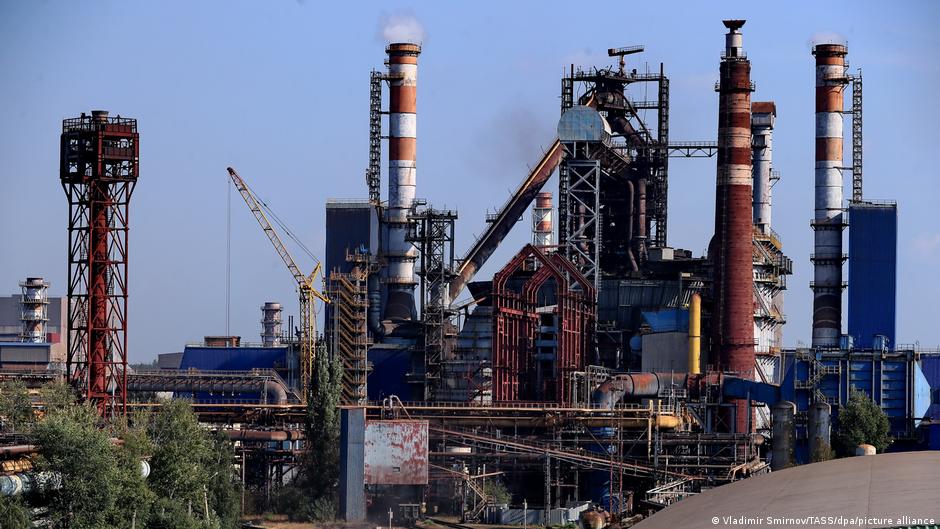
The inclusion of a production building among the affected properties introduces a potential commercial dimension to the damage. However, authorities did not identify the business operating at the site, describe the building’s function or disclose whether equipment, inventory or production capacity had been lost.
No preliminary monetary estimate was released for damage to the apartment building, the detached residence or the production facility. Officials also did not provide figures for emergency-response costs, temporary accommodation, reconstruction requirements or any potential interruption to business activity.
Those omissions leave the immediate balance-sheet impact on property owners, residents, businesses and municipal authorities unclear. A complete financial assessment would require information about the structures’ ownership, insurance status, repairability and replacement costs, none of which was included in the official reports cited after the attack.
For investors and companies monitoring exposure to Ukraine, damage to both housing and productive assets remains relevant to operating continuity and capital allocation. In this case, however, the available disclosures are limited to the locations affected, the fires and the number of casualties. They do not provide enough information to quantify lost output, asset impairments or future reconstruction spending.
Wider aerial threats remained active
Separately, the Ukrainian Air Force warned of a possible ballistic-weapons launch threat from Bryansk toward Kyiv. That warning was later withdrawn.
Messages published through the Air Force’s Telegram channel nevertheless indicated that attacks involving jet-powered unmanned aerial vehicles and guided aerial bombs continued toward the Kharkiv and Dnipropetrovsk regions, as well as Kyiv and the surrounding region.
The continuing alerts point to wider operational risks beyond the properties damaged in Kharkiv. Repeated aerial threats can affect transport, staffing, energy use and production schedules even when no direct strike is reported. The source reports, however, contained no financial data on such secondary effects and did not identify any additional companies or assets damaged during the wider attacks.
The immediate confirmed impact in Kharkiv was therefore concentrated on three structures: a two-story production building, a two-story apartment building and a one-story home. Four people were injured, including a child, and three were hospitalized.
Further disclosures from local authorities would be required to establish the full property loss, the extent of disruption at the production site and the funding needed for repairs or reconstruction. Until such estimates are published, the incident’s human toll is clearer than its financial consequences.