Kosovo Prime Minister’s Party Wins 43% in Parliamentary Elections Amid Political Uncertainty
Kosovo’s ruling party secured 43% of votes in snap elections but faces coalition talks to form a stable government.
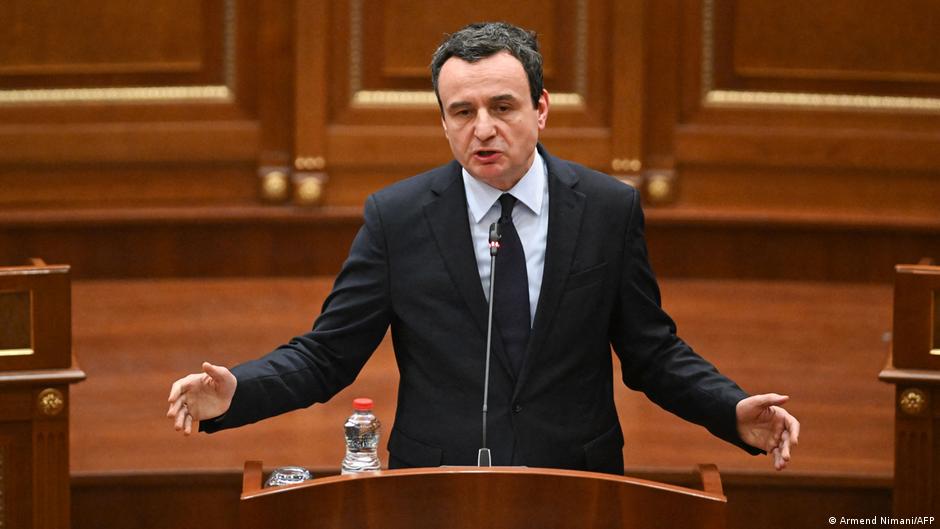
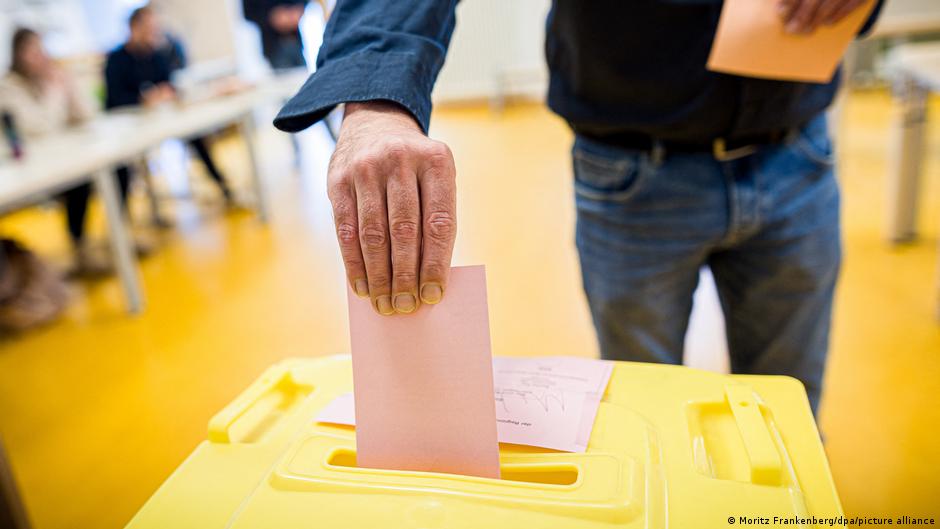
The ruling party in Kosovo, Vetëvendosje (Self-Determination), led by Prime Minister Albin Kurti, won the recent snap parliamentary elections with 43% of the vote. Official results released after counting 99.4% of ballots on the evening of June 7 confirmed the party’s victory, though it falls short of an outright majority.
Vetëvendosje’s main challenger, the Democratic Party of Kosovo, garnered 21% of the vote, followed by the Democratic League of Kosovo with 18%, and the Alliance for the Future of Kosovo at around 7%. Voter turnout was just under 37%, reflecting ongoing political disengagement.
Financial and Political Implications of the Election Results
These elections mark the third parliamentary vote in Kosovo within the past 18 months, underscoring persistent political instability. The ruling party’s failure to secure a majority necessitates coalition-building to establish a functioning government that can implement economic policies and reforms.
In the December 2025 elections, Vetëvendosje achieved 51.1% of the vote, securing a parliamentary majority. However, the government collapsed in April after parties failed to agree on a presidential candidate, leading to the parliament’s dissolution.
“The need for coalition partners highlights the challenges ahead for Kosovo's government formation, impacting investor confidence and economic reform momentum.”
From a financial perspective, the political uncertainty may affect Kosovo’s investor relations and economic outlook. Prime Minister Kurti’s pro-Western stance aligns with Kosovo’s goal of European Union accession, which Brussels conditions on the establishment of stable institutions and comprehensive reforms.
Kurti’s administration has taken a firm approach to the Serbian minority concentrated in northern Kosovo, seeking to extend government control over the region. These policies could have implications for regional stability and foreign investment.
Kosovo declared independence from Serbia in 2008, though its sovereignty remains unrecognized by Serbia, Russia, and five EU member states — Spain, Cyprus, Greece, Slovakia, and Romania — complicating its international economic integration.
Overall, the election results present a mixed outlook: while Vetëvendosje retains a strong mandate, the necessity to negotiate coalition agreements introduces uncertainty that may delay economic reforms crucial to Kosovo’s financial stability and EU integration prospects.