Moscow Court Imposes Restrictions on Alleged Market Manipulators in Moscow Exchange Case
Two suspects accused of stock price manipulation via Telegram channels face judicial restrictions amid investigation into illicit earnings exceeding 28 million rubles.
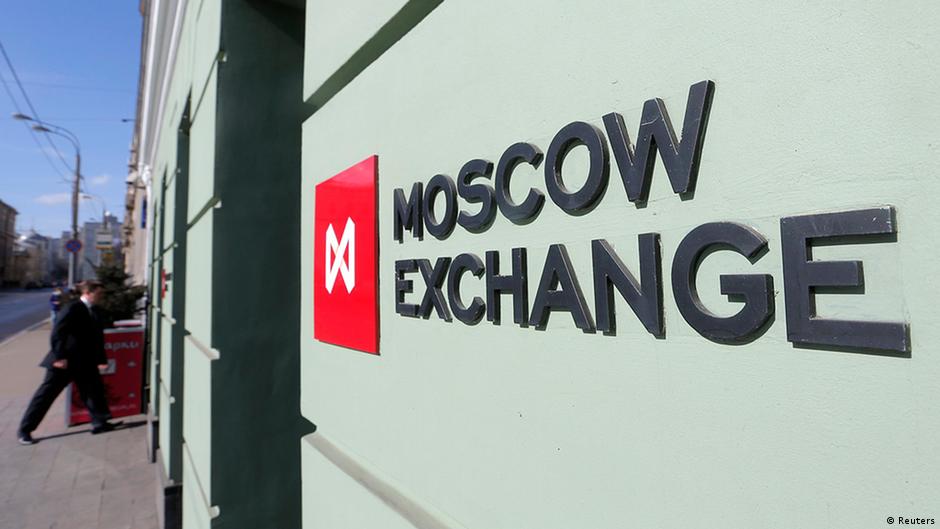
The Basmanny District Court of Moscow has imposed restrictions on Ilya Marochenkov and Gavriil Romanenko, accused of manipulating financial instrument prices on the Moscow Exchange via Telegram channels, according to an official court announcement on April 27.
The investigation alleges that the organized group to which the suspects belong illegally earned over 28 million rubles through market manipulation activities. Both defendants have partially admitted their involvement, as reported by sources familiar with the case.
Details of the Market Manipulation Scheme
On April 13, Russian law enforcement agencies including the Ministry of Internal Affairs and the Federal Security Service detained three men suspected of systematically influencing securities prices using thematic Telegram channels. These channels – namely "MarketsMoneyPower | RDP," "RCB Signals," and "Wolf from Moscow Exchange" – published calls to buy or sell specific assets during 2023-2024, which impacted the corresponding stock quotations.
The combined audience of these channels reached nearly 300,000 subscribers, amplifying the influence of the posted trading signals and potentially distorting market prices.
"Participants of the organized group earned excessive income estimated at over 28 million rubles," the court statement noted.
On the same day as the detentions, the Central Bank of Russia issued ten formal warnings related to violations of the federal law aimed at preventing insider trading and market manipulation. Recipients included Gavriil Romanenko, Ilya and Irina Marochenkov, as well as Vladislav Panteleev, a partner at the investment firm PFL Advisors.
The Russian Investigative Committee confirmed that the criminal case targets an organized group affiliated with PFL Advisors. According to the committee, the group influenced securities prices by selling assets at inflated rates after artificially boosting their value, executing more than 55,000 illegal trades in the process.
The ongoing investigation highlights the regulatory authorities' increased scrutiny of market conduct, particularly regarding the use of social media platforms to manipulate trading behavior and prices.