Trump Halts US Pakistan Negotiations with Iran Citing Strategic Advantage
President Trump announces suspension of US envoy trips to Pakistan for Iran talks, emphasizing US leverage and secure direct communications.
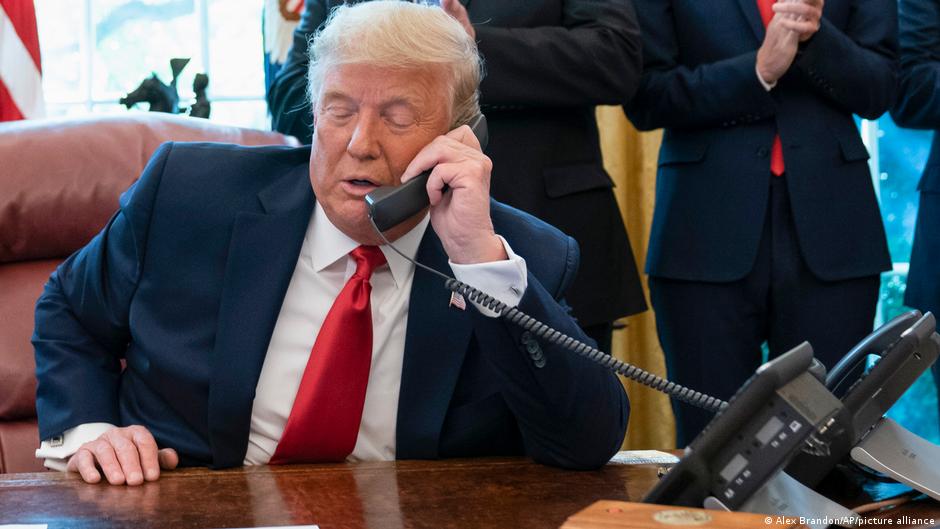
In a recent development impacting diplomatic and geopolitical dynamics, President Donald Trump declared that American officials will no longer travel to Pakistan to engage in negotiations with Iran aimed at ending ongoing hostilities. The announcement was made during a televised interview on Fox News’ The Sunday Briefing on April 26.
Strategic Assessment and Communication Preferences
President Trump justified the decision by highlighting what he described as the superior position of the United States in the conflict with Iran. He stressed that the US holds all the strategic advantages, and if Iran wishes to negotiate, it can either come to the United States or initiate contact via secure phone lines.
"If they want to talk, they can come to us or call us. We have good, secure lines of communication," Trump stated, though he acknowledged the inherent vulnerabilities in any communication line.
The president also cited the logistical burden and inefficiency of dispatching negotiators such as Steven Witkoff and Jared Kushner to Islamabad, which entails an 18-hour journey. Trump criticized the internal disarray within Iranian leadership, commenting on the confusion over authority within Iran’s negotiating team, which he views as detrimental to productive talks.
"Too much time is spent on travel, too much work! Moreover, there is significant infighting and disorder in their leadership. No one knows who is in charge, including themselves," Trump said on his social media platform. He added, "We have all the cards, and they have none." This comment underscores the US’s stance of strength and control in the ongoing conflict.
Recent Negotiation Attempts and Ongoing Ceasefire
The cancellation of the envoys’ trip to Pakistan came a day after it was publicly announced, marking a sudden shift in US diplomatic strategy. Earlier talks between the US and Iran in Islamabad on April 11 had failed to yield concrete results, despite a temporary ceasefire agreement. Following these talks, tensions escalated with the US imposing a blockade on the Strait of Hormuz, a strategic maritime chokepoint, which Iran criticized as a violation of the ceasefire.
Iranian Foreign Minister Abbas Araghchi, who represented Tehran in the negotiations, left Pakistan shortly after Trump’s announcement. Araghchi reaffirmed Iran’s position advocating realistic terms for a final cessation of hostilities and expressed skepticism about the US commitment to diplomacy.
Central to the ongoing standoff is the issue of Iran’s nuclear program. Tehran insists that lifting the blockade on its ports is a precondition for further negotiations, while the US demands that Iran abandon its nuclear ambitions, which Washington and its allies cite as the primary catalyst for the conflict.
Despite the tensions, a ceasefire remains in effect in the Middle East, initially agreed for two weeks and now extended by President Trump. He claims that the extension was granted at Iran’s request to allow for ongoing dialogue, though the suspension of envoy travel suggests a recalibration of US negotiation tactics.
From a financial and investor relations perspective, these geopolitical developments introduce significant uncertainties for markets sensitive to Middle Eastern stability, including energy prices and defense sector equities. The US administration’s stance signals a preference for direct, controlled communication channels over traditional diplomatic missions, which may affect the predictability and timing of conflict resolution.
Investors and analysts will be monitoring the implications of these strategic shifts closely, as extended tensions or escalation could impact global oil supply chains, trade routes, and regional economic stability.