Hungary’s Viktor Orbán Declines Parliamentary Seat Amid Party Leadership Shift
Victor Orbán steps down from parliamentary mandate to focus on reorganizing his party after election defeat, while maintaining party chairmanship ambitions.
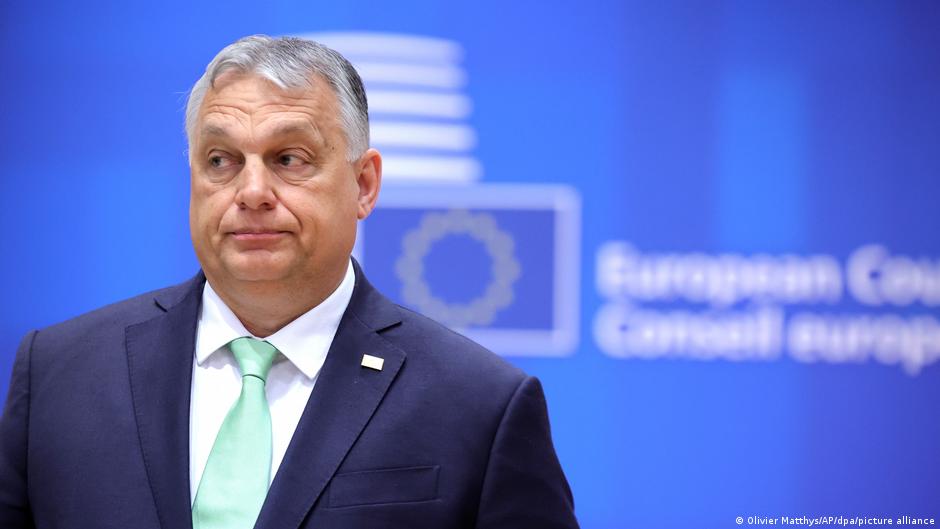
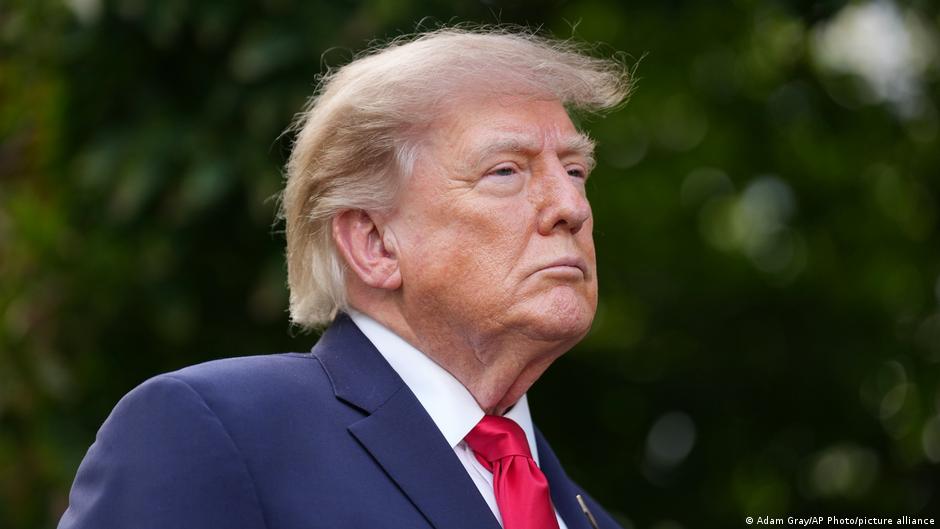
Victor Orbán, Hungary’s outgoing Prime Minister following the parliamentary election loss of his party Fidesz – Hungarian Civic Alliance, has announced that he will not take up his parliamentary seat in the new legislative term. The decision was conveyed in a statement published on his social media channels on April 25.
"The mandate I received as the lead candidate of the Fidesz-Christian Democratic People's Party (KDNP) coalition is de facto a Fidesz mandate. Therefore, I have decided to decline it. Currently, I am needed not in parliament but in reorganizing the national movement," Orbán said.
Leadership Changes and Political Implications
The Fidesz-KDNP faction will see a new parliamentary leader, with Gergely Gulyás, former head of the Prime Minister’s Office, set to assume the role. Nevertheless, Orbán emphasized his intention to remain the chairman of Fidesz, a subject slated for discussion at the party congress in June.
Orbán’s statement reflects a strategic retreat from frontline parliamentary involvement towards internal party restructuring, signaling an adjustment period following the electoral setback.
"I am needed not in parliament but for the reorganization of the national movement," Orbán remarked, underscoring his shift in focus.
The victorious party, Tisza, led by Péter Márki-Zay, is due to formally appoint its leader as Prime Minister on May 9. Márki-Zay has pledged to reverse several policies initiated during Orbán’s tenure.
Among these policy reversals is the suspension of Hungary’s withdrawal from the International Criminal Court (ICC), a process initiated by Orbán after the ICC issued an arrest warrant for Israeli Prime Minister Benjamin Netanyahu in 2024. Orbán had welcomed Netanyahu to Hungary in April 2025, despite the warrant and ongoing geopolitical tensions, declaring Budapest would not comply with the ICC order. Márki-Zay’s administration aims to halt this withdrawal procedure.
Moreover, Márki-Zay has committed to ending Hungary’s blockade on the European Union’s €90 billion credit package for Ukraine, as well as sanctions against Russia. Reports indicate that following Ukraine’s restoration of Russian oil transit to Hungary via the "Druzhba" pipeline, Budapest approved the credit disbursement, although Márki-Zay clarified Hungary would not directly participate in financing Ukraine.
During his premiership, Orbán was noted for his close ties with Russian President Vladimir Putin and continued visits to Moscow even after Russia’s full-scale invasion of Ukraine began. Media outlets had reported that Russian political technologists were deployed in Hungary to assist Orbán’s campaign in narrowing the gap to Márki-Zay and the Tisza party, efforts that ultimately proved unsuccessful.
Following the election, Dmitry Peskov, spokesperson for the Russian president, stated that Moscow would not congratulate Márki-Zay on his victory, describing Hungary as an "unfriendly country." Nonetheless, Peskov expressed hope for the continuation of "very pragmatic contacts" with the new Hungarian leadership. Márki-Zay himself has indicated a desire to maintain relations with Russia.