German Government Attributes Signal Messenger Phishing Attacks to Russia Amid Security Concerns
Berlin links recent phishing spree targeting politicians and journalists on Signal to Russia, halting data breaches and launching investigation.
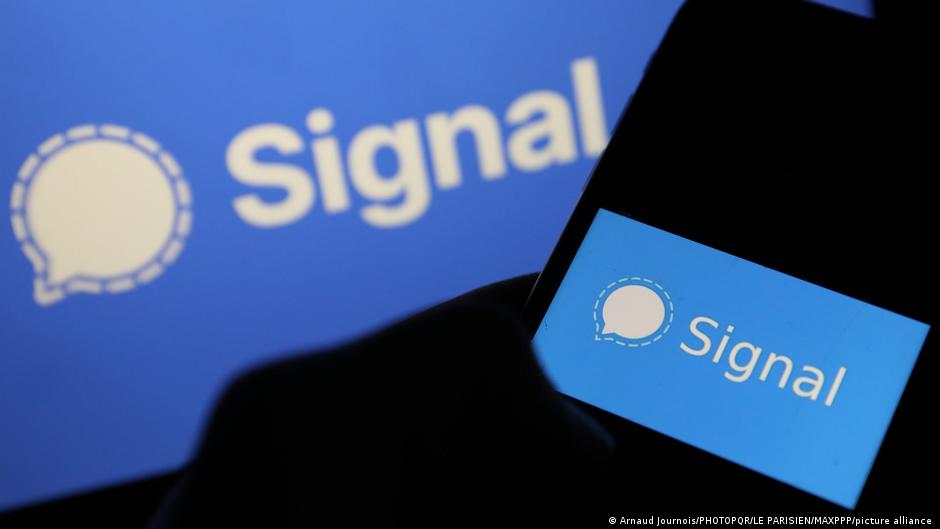
Germany has publicly attributed a recent series of phishing attacks exploiting the Signal messaging platform to Russian actors, following incidents that targeted a broad spectrum of political, military, and media figures. The Federal German authorities have halted data leaks from compromised devices and initiated formal investigations.
Scope and Impact of the Signal Phishing Campaign
The wave of phishing attacks reportedly affected dozens of users connected to German federal institutions, including members of parliament from nearly all factions, NATO and Bundeswehr military personnel, as well as prominent journalists. The Federal Prosecutor's office identified the attacks as deliberate and sophisticated, with German security agencies notifying victims to mitigate further data breaches.
"The recent phishing attempt originating from Russia against German politicians and journalists is an alarming signal for all of us," said Marc Henrichmann, chairman of the parliamentary committee overseeing intelligence services.
Per reports from Der Spiegel, attackers impersonated Signal’s technical support staff to gain account access. Once compromised, these accounts were used to propagate further infections by exploiting trust within group and private chats. High-profile victims include German Education Minister Karin Prien, Construction Minister Verena Hubertz, and Bundestag President Julia Klöckner, who holds a key position within the Christian Democratic Union.
Attempts to breach Chancellor Friedrich Merz’s Signal account were also suspected but, according to German intelligence agencies, no anomalies were detected on his device. Government representatives declined to comment extensively on communication security protocols, citing the need to preserve the integrity and confidentiality of federal communications.
Investor and Financial Sector Implications
This incident underscores the growing cybersecurity risks facing government institutions and by extension, the financial markets that closely monitor regulatory stability and political risk. Cyberattacks targeting top officials could disrupt policy-making processes or influence geopolitical dynamics, potentially impacting investor confidence.
Investors in cybersecurity firms and technology providers may view this event as a catalyst for increased demand for secure communication solutions. Meanwhile, companies reliant on federal contracts may face heightened scrutiny regarding their cybersecurity postures.
Germany's swift response to contain the breach and launch investigations demonstrates a commitment to safeguarding national security assets. However, the evolving nature of cyberspying and phishing campaigns highlights ongoing vulnerabilities that could have broader economic repercussions, including on stock valuations of affected sectors.
For investors, monitoring government responses to cyber threats and any resultant regulatory changes is crucial to anticipate shifts in the risk environment. This incident may accelerate legislative efforts to bolster cybersecurity frameworks, influencing compliance costs and operational protocols in both public and private sectors.