Ukraine Pauses Russian Refinery Strikes as US Fuel Costs Shape Policy
The reported pause highlights how energy prices, sanctions and US political pressure are influencing Ukraine’s wartime strategy.
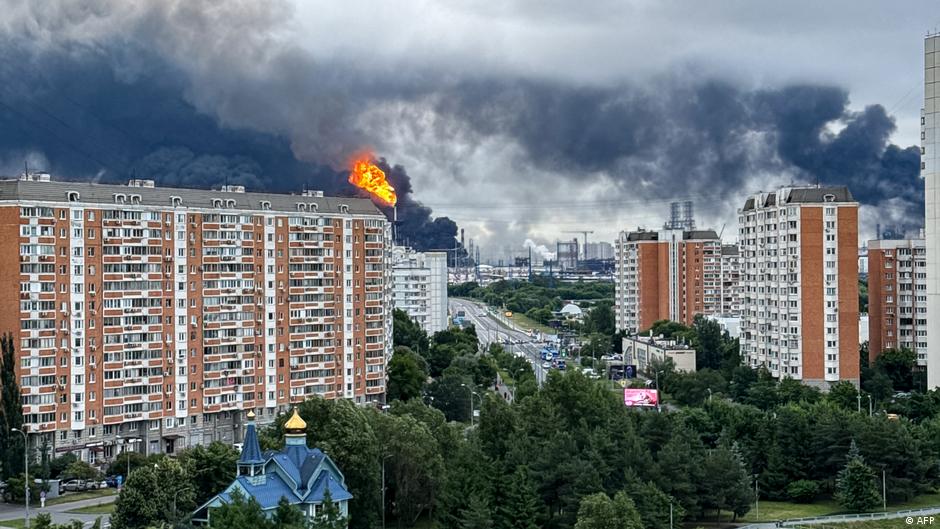
Ukraine has informally suspended strikes on Russian oil refineries following weeks of pressure from US President Donald Trump, a move that puts fuel prices, sanctions policy and critical Western support at the center of Kyiv’s military calculations, The Wall Street Journal reported.
Citing people familiar with the matter, the newspaper said the pause began early last week, when relations between Kyiv and Washington were at a low point. It is expected to remain in effect through the US midterm elections on Nov. 3 and could continue for part of November.
Ukraine’s government has not formally announced a suspension. President Volodymyr Zelensky said in Kyiv on Oct. 28 that Ukrainian forces had recently exercised greater caution but had received no order prohibiting attacks on refineries.
“Our guys have tried to be more careful in recent days. But they have no order” not to strike refineries, Zelensky said, according to the report.
Fuel prices become an election and market concern
Trump has intensified pressure on Zelensky in recent weeks, demanding an end to attacks on Russian refining facilities and blaming Ukraine for elevated global fuel prices. Energy experts cited in the account, however, primarily linked those prices to the US-Israeli war against Iran.
For investors and companies exposed to energy costs, the reported halt may reduce one source of near-term disruption to Russian refining capacity. Attacks on processing plants can affect expectations for diesel and other refined-product supplies even when crude production remains available, feeding into transport, agricultural and industrial expenses.
Republican candidates were concerned that expensive fuel could hurt them in the Nov. 3 elections, according to the article. Trump therefore eased sanctions affecting Russian diesel in an effort to reduce pressure on American farmers and other consumers. The shift illustrates how retail fuel costs can quickly move from household budgets and corporate operating expenses into sanctions decisions and electoral strategy.
The report did not provide estimates of refinery damage, changes in Russian output or the potential effect of the pause on global prices. It also did not quantify the financial impact of the sanctions adjustment. That leaves markets to assess the development mainly as a change in geopolitical risk rather than as a measurable revision to supply forecasts.
US leverage extends beyond direct financial aid
Ukraine remains vulnerable to pressure from Washington because it depends on Starlink satellite communications, US intelligence and interceptor missiles for Patriot air-defense systems. That dependence has continued even after Trump, upon returning to the White House last year, ended most US military and financial assistance to Kyiv, the newspaper said.
Two unnamed US officials told the Journal that Jared Kushner, Trump’s son-in-law, joined talks in Oslo by video link on Oct. 20. The negotiations involved US presidential envoy Steve Witkoff, Zelensky and European delegations.
Kushner reportedly told Zelensky that he and Witkoff were spending substantial time, energy and jet fuel negotiating with Moscow over terms for ending the war. A 30-day pause in Ukrainian refinery strikes, he said, could provide a way for Kyiv to demonstrate gratitude.
The following day, Trump called SpaceX chief Elon Musk and asked him to restore Starlink service for Ukraine, according to the report. Its sources said the Starlink issue and the refinery-strike request were not connected. Even so, the timing underscores the operational importance of privately provided infrastructure to Ukraine and the associated political risk surrounding access to it.
Kyiv seeks protection for energy assets
Some of Ukraine’s strongest European supporters also became concerned as rhetoric between Trump and Zelensky escalated and Starlink experienced service disruptions. One European official said European representatives likewise advised Zelensky to stop refinery attacks until the US elections were over.
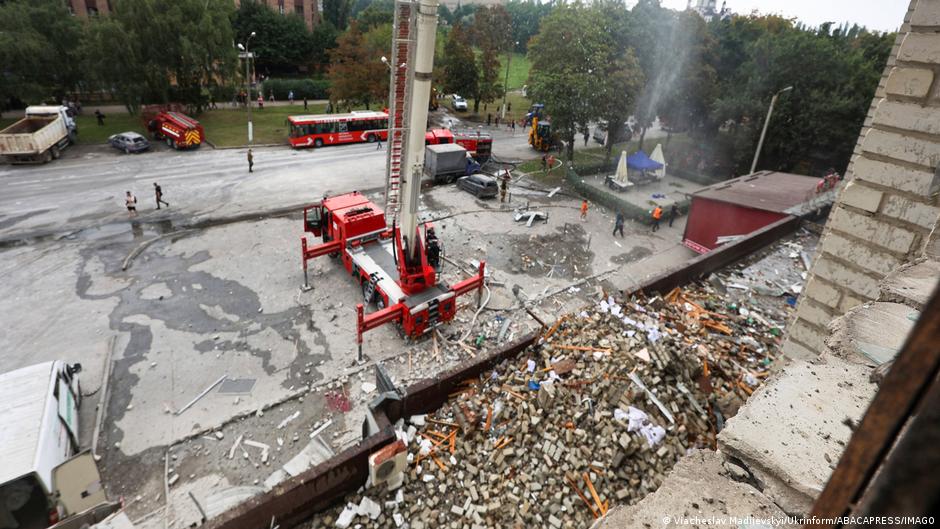
In exchange for such restraint, Zelensky has said Kyiv wants stronger protection for Ukraine’s energy infrastructure. That request carries direct economic significance: Russia continues to increase missile and drone attacks on Ukrainian energy facilities and cities, while civilian casualties are rising. Damage to power assets can weaken business activity, raise reconstruction needs and add pressure to Ukraine’s public finances.
Two unnamed military officials said Ukrainian units responsible for long-range strikes were told in mid-October that the refinery campaign was effectively on hold once existing missions had been completed.
One source said Ukrainian Defense Minister Yevhen Khmara told Zelensky that the military had concluded it would be preferable to refrain from striking refineries because of the sensitive diplomatic situation. Zelensky agreed but stressed that the military could resume attacks if commanders considered them necessary.
The arrangement therefore appears provisional rather than a permanent change in strategy. For energy markets, sanctions compliance teams and investors tracking the war’s economic consequences, the key variables are whether the pause survives beyond the US vote, whether refinery strikes resume, and whether Kyiv receives additional protection for its own energy system.