US Delays Arms Shipments to Europe Amid Rising Demand from Iran Conflict
Washington warns European allies of significant delays in weapons deliveries as it replenishes depleted arsenals due to Iran war pressures.
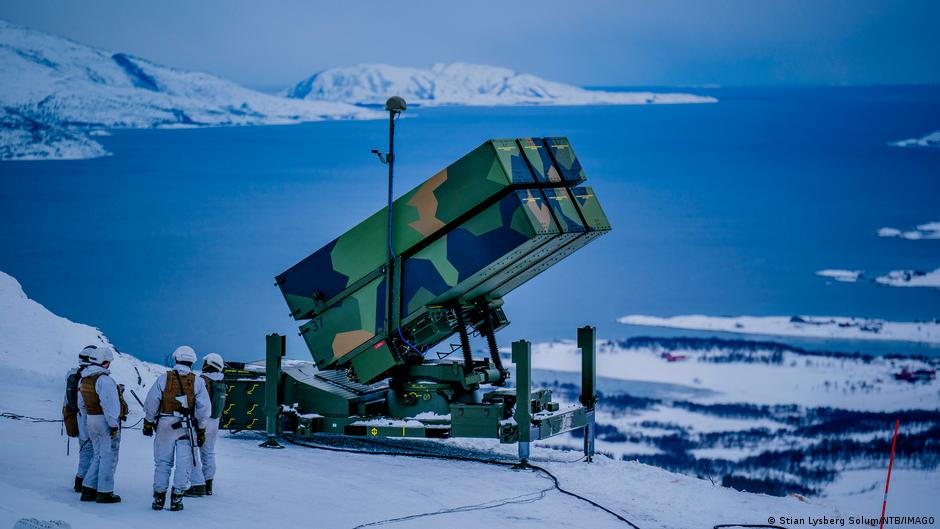
The United States has informed several European allies, including the United Kingdom, Poland, Lithuania, and Estonia, of significant delays in arms shipments. These disruptions stem from urgent efforts to replenish US military stockpiles depleted by ongoing conflict with Iran, according to multiple sources.
Impact on European and Asian Defense Partners
Delays primarily affect ammunition for key rocket artillery systems such as NASAMS and HIMARS, as well as other missile platforms. Similar restrictions are reportedly being considered for Asian allies, including Japan and South Korea. The Pentagon has acknowledged reviewing new equipment requests and current arms transfers to ensure alignment with operational priorities.
"We are carefully evaluating all existing and new requests to maintain compliance with operational needs," a Pentagon spokesperson stated.
The notification has reportedly caused concern among Ukrainian officials, given Ukraine's reliance on US-supplied weapons for defense against ongoing Russian aggression. A senior Ukrainian official remarked that these delays have been a persistent challenge since the onset of US and Israeli hostilities with Iran.
US partners utilizing the NASAMS system include Taiwan, Norway, Finland, Spain, the Netherlands, Lithuania, Indonesia, Australia, Hungary, Ukraine, Denmark, Qatar, and Oman. HIMARS operators encompass 14 US partners, among them Ukraine, Poland, and Estonia.
Contrasting Arms Approvals in the Middle East
While arms deliveries to Europe face interruptions, the US State Department has simultaneously approved arms exports and military services exceeding $8.6 billion to four Middle Eastern allies: Israel, Qatar, Kuwait, and the United Arab Emirates. These approvals were announced on May 1 and represent a significant investment in the region's defense capabilities.
The largest allocation, approximately $4 billion, targets Qatar, followed by $2.5 billion to Kuwait, around $1 billion to Israel, and roughly $150 million to the UAE. These transactions have been expedited under a special US government procedure enabling bypass of Congressional approval, justified by urgent operational needs amid the Iran conflict.
This expedited process was invoked by the Trump administration, with Secretary of State Marco Rubio citing the "urgent necessity" created by ongoing military tensions with Iran. Notably, President Trump has officially notified Congress of the conflict's end, adding complexity to the strategic arms distribution dynamics.
The evolving situation underscores significant shifts in US defense resource allocation, reflecting competing demands from Europe and the Middle East amid heightened geopolitical tensions.