Pentagon Orders Withdrawal of 5,000 U.S. Troops from Germany Within a Year
The U.S. Department of Defense plans to reduce its troop presence in Germany by approximately 5,000 soldiers over the next 6 to 12 months.
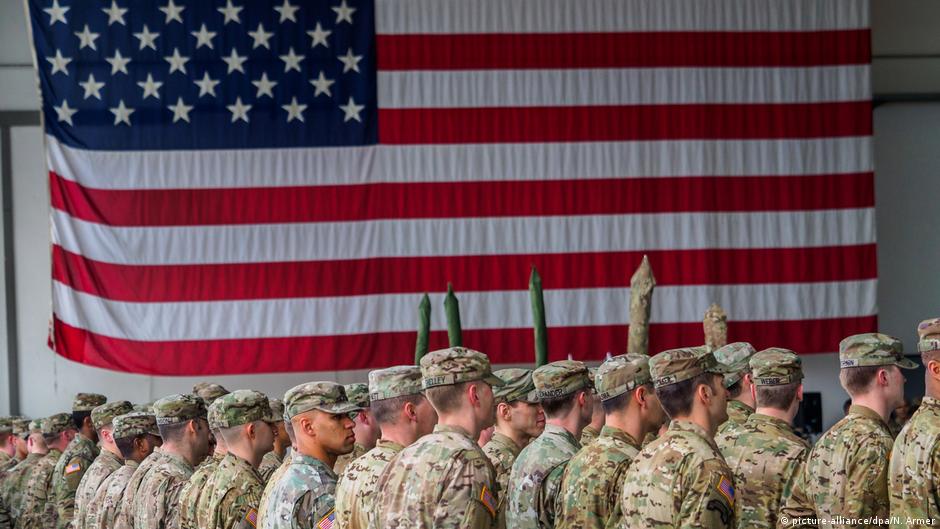
The U.S. Department of Defense has directed the withdrawal of about 5,000 American troops from Germany within the upcoming year, according to Pentagon sources. Currently, Germany hosts over 35,000 U.S. military personnel, the largest contingent in any European Union country.
Defense Secretary Pete Hegseth issued the order following a comprehensive review of U.S. military presence in Europe. The decision aligns with operational requirements and local conditions, a Pentagon spokesperson confirmed.
Strategic and Historical Context
As of December 2025, U.S. military bases in Europe held approximately 68,000 troops, with Germany accommodating around 36,400 of them. This figure represents a significant reduction from Cold War-era deployments; at the height of tensions in 1985, approximately 250,000 U.S. soldiers were stationed in Germany.
"We expect the troop withdrawal to be completed within six to twelve months," Pentagon spokesperson Sean Parnell said, emphasizing the decision's consideration of both operational demand and on-site conditions.
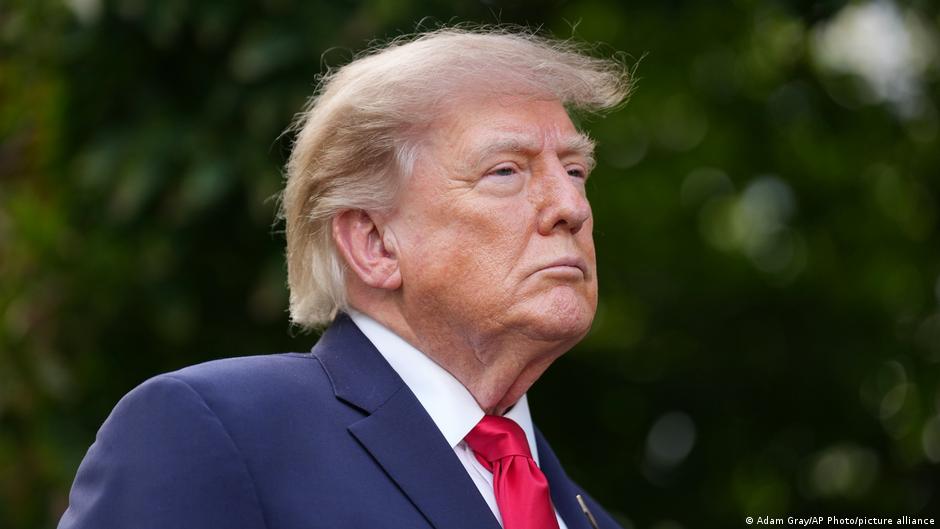
The announcement follows recent statements by former President Donald Trump, who indicated on his social media platform Truth Social that a troop drawdown in Germany was under consideration and would be decided imminently. This development occurred amid tensions between the U.S. and German leadership over strategic approaches in the Middle East.
German Chancellor Friedrich Merz responded calmly to the news during a visit to a military training ground in Munster, Lower Saxony, stressing the importance of the U.S. military's presence for transatlantic security cooperation. Merz underscored that the German and U.S. armies work "shoulder to shoulder," yielding mutual benefits.
Implications for U.S.-Germany Relations and Defense Posture
The proposed reduction in troop levels revives a familiar debate. During his first presidential term, Trump had threatened similar withdrawals but ultimately oversaw an increase in U.S. forces in Germany. More recently, U.S. congressional oversight has limited executive authority to unilaterally alter troop deployments in Europe.
The drawdown comes at a time of strategic recalibration amid global security challenges. It may impact defense contracts, local economies dependent on U.S. military spending, and the broader NATO posture in Europe.
Investors and defense industry stakeholders will closely monitor how this adjustment affects military expenditure and logistics. The shift could also influence future procurement and bilateral cooperation programs between the U.S. and Germany.
Overall, the troop reduction reflects evolving U.S. defense priorities and the ongoing assessment of military assets abroad in response to changing geopolitical landscapes.