US House Approves Ukraine Aid and Expanded Sanctions on Russia Amid Ongoing Conflict
The legislation authorizes military support and broadens economic sanctions, pending Senate approval to take effect.
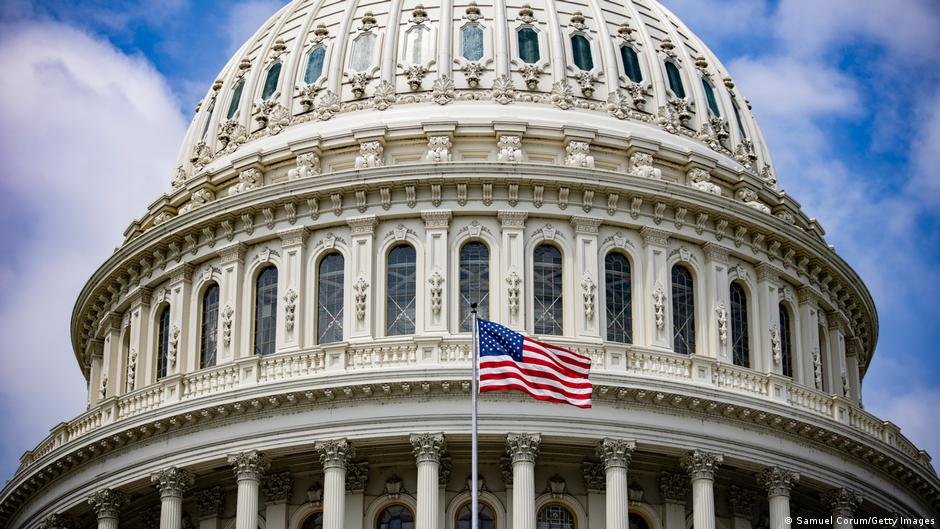
The United States House of Representatives has approved a legislative package providing aid to Ukraine and expanding sanctions against Russia. The bill, passed on June 5 with a vote of 226 in favor and 195 opposed, includes military assistance and increased economic pressure on Moscow, but it now awaits approval by the US Senate before becoming law.
The bill garnered bipartisan support, including 207 Democrats, 18 Republicans, and one independent voting in favor. Introduced in April, the legislation establishes a dedicated fund for Ukraine's reconstruction and renews presidential authority to transfer defense articles to Ukraine and Eastern European nations through credit or lease programs.
Key Provisions and Financial Implications
Significantly, the bill grants the Pentagon authority to provide intelligence support to Ukraine until the end of 2027. The State Department is also tasked with enhancing the capabilities of Baltic military and border forces. These provisions underscore a long-term US commitment to regional security and Ukraine's defense, implicating sustained budget allocations over multiple fiscal years.
On the sanctions front, the legislation extends the president's powers to impose new sanctions, block assets of Russian individuals and entities, and implement additional export restrictions and tariffs. These measures aim to further constrain Russia's economic capacity to sustain its military operations.
"The House's decision marks an important step forward, signaling continued bipartisan support for Ukraine," noted a senior diplomatic official.
In terms of international collaboration, the bill enhances cooperation with European allies, including arms supplies, military training for Ukrainian forces, and intelligence sharing — all of which contribute to a coordinated transatlantic security framework.
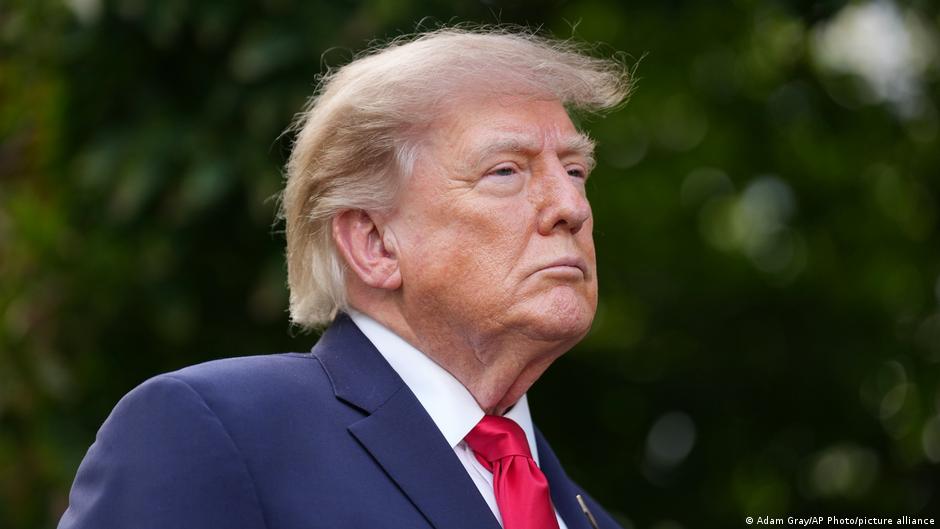
Looking ahead, the Senate's deliberation represents a critical juncture. The balance of power between Democrats and Republicans will influence the bill’s fate, with some Republicans advocating for reduced foreign aid expenditure. Additionally, even if passed by Congress, the legislation could face a presidential veto. Upon his anticipated return to the White House in January 2025, former President Donald Trump has signaled intentions to slow Ukraine aid and maintain executive control over sanctions decisions.
For investors and analysts, these developments carry implications for defense contractors, energy markets, and companies with exposure to Russia and Eastern Europe. The bill’s passage points toward sustained US engagement and potential for further economic restrictions impacting global trade and financial flows.