US Lifts 50% Tariffs on Selected Canadian Goods, Shifts Trade Costs
The White House removed duties from several Canadian product groups while imposing tariffs on a new set of imports from October 30.
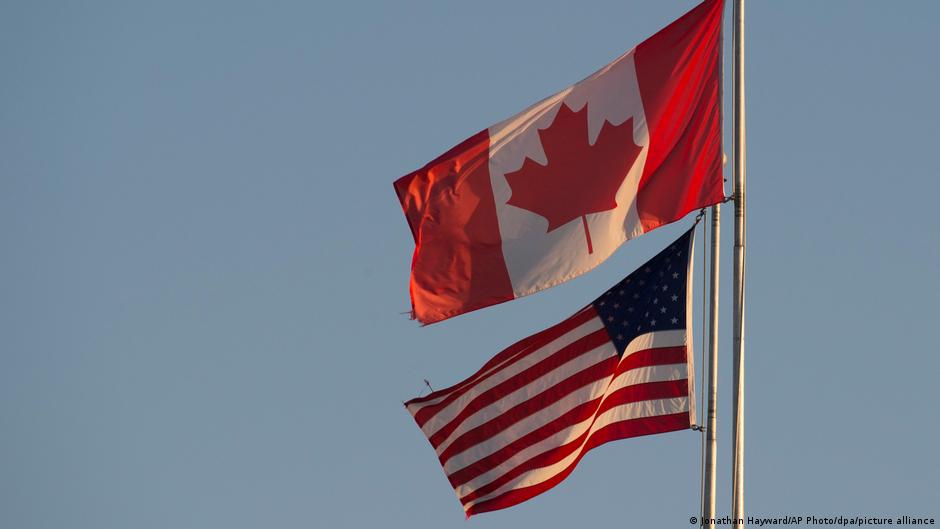
US President Donald Trump has signed an executive order removing 50% customs duties from a selection of Canadian goods from October 30, while extending tariffs to other categories of imports from the neighboring country. The move reshapes, rather than ends, the trade costs facing Canadian exporters and US companies that rely on cross-border supply chains.
Trump signed the order on Friday, October 23. The tariff relief covers plywood, certain paper products, machinery used by the pulp and paper industry, packing cases and cardboard boxes, as well as fresh and dried seaweed.
For affected manufacturers, distributors and retailers, the removal of the 50% levy could materially alter purchasing costs, inventory valuations and expected margins. Canadian suppliers covered by the exemptions may also regain some pricing flexibility in the US market. The source announcement did not provide trade values, company-level exposure or estimates of the order’s effect on revenue and earnings.
Tariff burden moves to new product categories
At the same time, the White House added a different group of Canadian products to the tariff list in what it presented as a balancing measure. The newly covered imports include carpets, paints, shampoos, cocoa powder, wooden coffins, ice-pop sticks, air conditioners, freezers, archery goods and canoes.
The combination of exemptions and new duties leaves companies with uneven financial consequences. Businesses importing plywood, paper-related goods or industrial machinery may see lower landed costs after October 30. Importers and sellers of the newly targeted products, however, face additional pressure on procurement expenses and gross margins unless they can pass the higher costs to customers or shift sourcing.
The order could therefore become a factor in upcoming management commentary and investor disclosures for businesses with meaningful exposure to Canadian trade. Potential reporting considerations include tariff-related expenses, supplier renegotiations, changes in pricing, inventory planning and the risk of demand weakening if duties are reflected in final prices. No individual company guidance or projected balance-sheet impact was disclosed in the source material.
Ottawa assesses the financial and trade implications
Canada is evaluating the US action, according to Dominic LeBlanc, the Canadian minister responsible for intergovernmental affairs and trade with the United States. His response signaled that Ottawa remains open to negotiations even as it reviews the revised tariff structure.
Ottawa is “ready to work constructively and in good faith to build a more mutually beneficial trade relationship that takes Canada’s interests into account,” LeBlanc said.
The dispute over the US-Canada trade arrangement, together with reciprocal tariffs of 50%, has become one indication of deteriorating relations between Washington and Ottawa since Trump returned to the presidency. Trump has also repeatedly spoken about the possibility of incorporating Canada into the United States as its 51st state.
For investors, the broader dispute creates uncertainty beyond the specific products named in the latest order. Repeated changes to customs treatment can complicate forecasting for revenue, operating costs, working capital and capital expenditure. They may also make it harder for companies to set annual guidance when sourcing and sales depend on stable access to the neighboring market.
Earlier restrictions underline policy volatility
At the end of September, the United States suspended imports of several Canadian products for an indefinite period. Those restrictions included alcoholic beverages, beer, sparkling wine and whey, certain dairy products, and motorcycles.
Washington took that step after Ottawa decided to respond in kind to higher customs duties introduced by US authorities in August. The sequence of higher duties, retaliatory measures, import suspensions and selective tariff relief highlights the continuing volatility facing businesses on both sides of the border.
The October 30 changes may provide immediate relief to some industrial and packaging supply chains, but they do not represent a comprehensive settlement of the trade dispute. Instead, the White House has redistributed tariff exposure among sectors, producing potential winners and losers across Canadian exporters and US import-dependent businesses.
Finance teams and investors will now be watching whether companies quantify the effects in quarterly results, revise margin expectations or disclose new sourcing strategies. They will also be looking for Ottawa’s formal assessment and any further response that could affect bilateral trade. Until the two governments reach a broader agreement, tariff policy is likely to remain a material planning risk for companies whose earnings and balance sheets are tied to US-Canada commerce.