US Military Strikes Iranian Targets Amid Escalating Regional Tensions
US forces conducted multiple strikes on Iranian military and infrastructure sites, impacting regional stability and raising investor concerns.
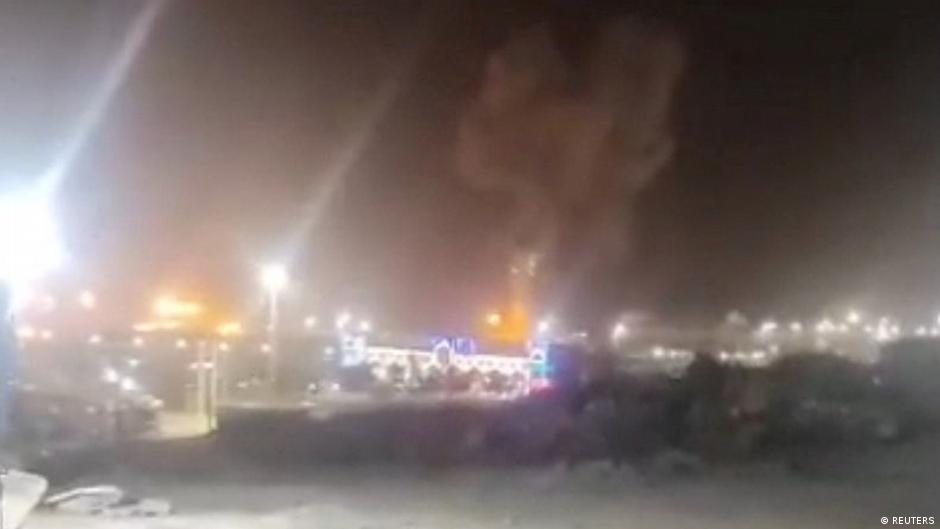
The United States military executed two rounds of strikes against Iranian military and infrastructure targets, alongside targeting a tanker in the Persian Gulf, escalating regional tensions and potentially impacting economic and security dynamics critical to global markets.
Details of the Military Actions
On July 16, the US Central Command (CENTCOM) reported precision airstrikes on key Iranian locations, including the port area of Sirik on the Strait of Hormuz coast. Iranian sources confirmed three air raids on the major port of Bandar Abbas and damage to a fishmeal production plant near Qeshm Island. Additional strikes targeted facilities in Ahvaz city within Khuzestan province and areas in Sistan and Baluchestan provinces including Rasak and Kenarak ports.
The second wave of attacks focused on degrading Iran’s command centers, air defense systems, missile and drone capabilities, and coastal observation posts to reduce threats against commercial shipping crews operating in the region.
"The strikes aim to weaken Iran’s ability to threaten maritime security and commercial navigation in the Persian Gulf," said CENTCOM officials.
Notably, US forces disabled an unmanned tanker, M/T Belma, flagged in Curaçao, after it attempted to breach a maritime blockade and enter an Iranian port. The US military deployed Hellfire missiles targeting the tanker's smoke stack after multiple warnings were ignored.
Regional and Economic Implications
Following the strikes, Iran retaliated with attacks on US military bases in Bahrain and Kuwait, with reports of at least ten explosions near the US Fifth Fleet headquarters in Bahrain and additional blasts at a US base in Kuwait. These events prompted partial airspace closures by Saudi Arabia and Jordan, disrupting regional transport and commerce.
Iran's Islamic Revolutionary Guard Corps air defenses reportedly downed an American MQ9 drone, highlighting ongoing aerial surveillance and counteractions.
These developments come just days after the US reinstated maritime blockades on ships entering or leaving Iranian ports, including rerouting two commercial vessels and employing force on one within the first 24 hours. This blockade could affect oil shipment routes and broader trade flows, feeding into global commodity price volatility.
US Vice President JD Vance commented on the complexity of the situation, stating that while the path ahead is uncertain, a combination of economic pressure and diplomatic engagement with pragmatic Iranian officials forms part of US strategy.
"I don’t know exactly where this will lead, but fundamentally, I believe we are moving in the right direction," Vance remarked in a recent podcast.
Investor Considerations
For investors and market analysts, these military actions introduce heightened geopolitical risk in a critical energy transit corridor. Companies with exposure to Middle East supply chains, shipping, and energy sectors should closely monitor developments, as prolonged conflict or further escalations may affect commodity prices, insurance costs, and shipping logistics.
Moreover, sanctions, blockades, or retaliatory measures could influence the financial performance and risk profiles of firms operating in or near the Persian Gulf region, necessitating adjustments in portfolios and risk management strategies.