US Moves to Restore Iraq-Syria Oil Pipeline to Bypass Strait of Hormuz
Washington advances plans to revive a dormant Iraq-Syria oil pipeline to reduce reliance on Strait of Hormuz and limit Iran's influence on energy supply.
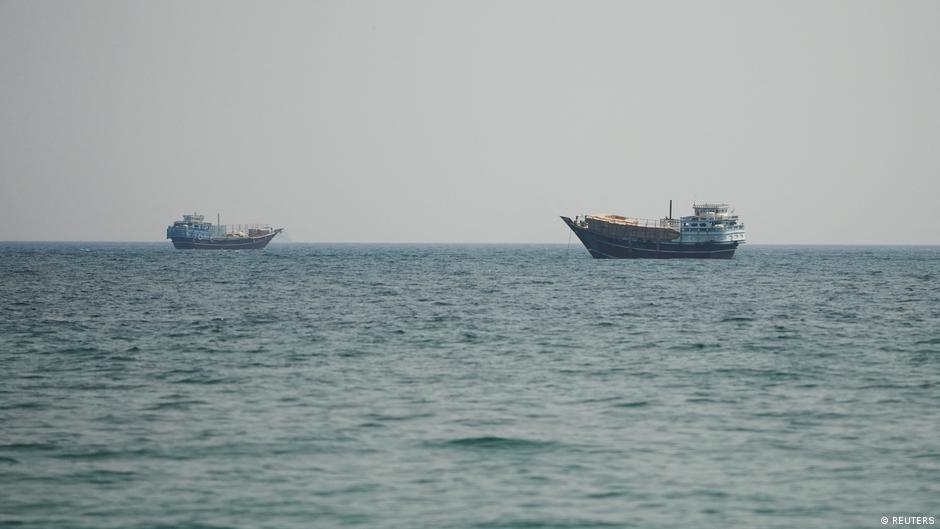
The United States is actively promoting negotiations to rebuild or repair a long-dormant oil pipeline running from Iraq to Syria's western coast, aiming to establish an alternative route that bypasses the Strait of Hormuz and weakens Iran's hold on global energy exports.
On July 14, sources confirmed that Thomas Barrack, the US special presidential envoy for Syria and Iraq, has engaged with officials from both countries as well as representatives from major energy firms such as Chevron Corporation. The focus is on revitalizing the pipeline running from Kirkuk in northern Iraq to Banias on the Syrian coast, which has been out of operation for over two decades.
Strategic and Financial Implications
The US State Department acknowledged that American companies are expected to participate in the restoration efforts, potentially opening new investment and operational opportunities in the region's energy infrastructure. This initiative aligns with President Donald Trump's recent discussions with Iraqi Prime Minister Ali Al-Zaydi, where Trump indicated imminent announcements concerning significant new oil partnerships.
"This project represents a strategic effort to diversify export routes and mitigate geopolitical risks associated with the Strait of Hormuz," noted industry analysts following the news.
Recent weeks have seen active involvement from global energy companies including Chevron, TotalEnergies SE, TI Capital from Los Angeles, and Qatar's UCC Holding, all exploring ways to elevate Syria's role as an export hub for hydrocarbons. However, constructing pipelines in Syria poses considerable challenges due to ongoing security concerns, especially across territories in Western Iraq's Anbar province and Eastern Syria, where Islamic State remnants remain active.
Investors will need to weigh the risks of instability in a post-civil war environment against the potential returns from tapping into a strategically significant corridor that could shift regional energy dynamics and provide more reliable export pathways.
President Trump had earlier reinstated a maritime blockade in efforts to exert control over the Strait of Hormuz but recently reversed plans to impose a 20% tariff on maritime cargoes. Instead, the administration is pursuing revenue generation through trade agreements with Persian Gulf states, underscoring a broader strategy to reshape US energy and trade relations in the Middle East.