Germany Sees Sharp Rise in Military Service Refusals Amid Security Tensions and Conscription Reform
First half of 2026 records nearly double the number of military service refusal applications compared to 2025, driven by new conscription laws and security concerns.
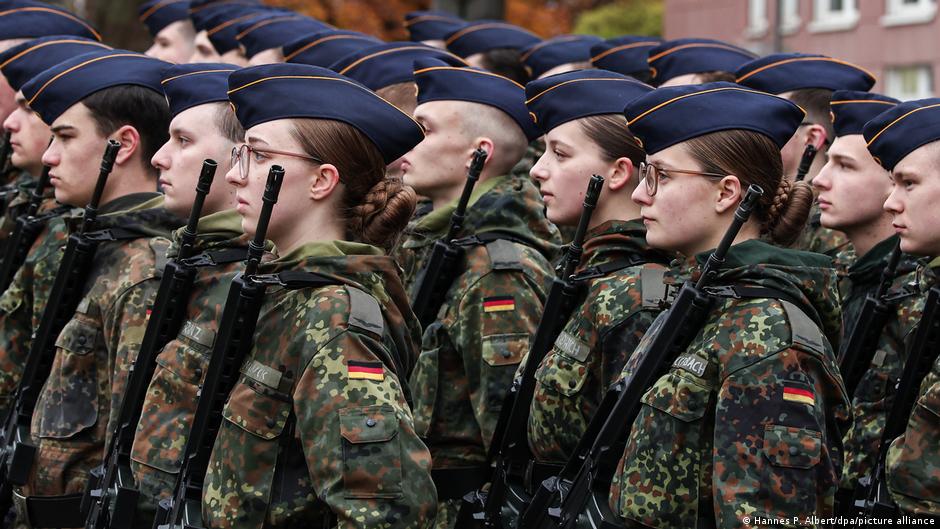
Germany has experienced a significant increase in the number of individuals refusing mandatory military service in the first half of 2026. According to data from the Federal Office for Family and Civic Affairs (BAFzA), there were 5,862 applications to refuse military service by June 30, nearly doubling the total figures from previous years.
For context, the entire year of 2025 saw 3,867 such applications, with 2,998 registered in 2024. This upward trend highlights growing public response to recent legislative changes and geopolitical security concerns.
Conscription Reform and Security Environment Drive Refusals
The surge is attributed primarily to heightened security tensions in Europe and a recently enacted reform of the military conscription system in Germany, which came into force on January 1, 2026. Under the new regulation, starting July 1, 2027, all 18-year-old males will be required to undergo a mandatory medical examination to determine their fitness for military service, regardless of whether they choose to enlist voluntarily.
This change marks a shift from the previous approach where mandatory conscription was suspended in 2011, though it remains codified in the German Basic Law. The government plans to partially reinstate compulsory service via a "military obligation if necessary" mechanism, deployable if voluntary enlistments fall short of recruitment targets.
The goal is to increase the active military personnel from 186,000 currently to approximately 260,000 by 2035, reflecting Germany’s strategic effort to strengthen its armed forces amid a complex security landscape.
"The rise in refusals reflects both concerns about security and the implications of conscription reform," a BAFzA spokesperson noted.
Importantly, the Basic Law preserves the right to conscientious objection, allowing individuals to decline armed service on moral or religious grounds. Applications for refusal are not limited to new conscripts but also include reservists and active-duty soldiers.
Additionally, there is a noted number of cases where individuals retract prior refusal statements. For instance, in 2025, there were 781 withdrawals of refusal, with 233 recorded in the first quarter of 2026 alone, suggesting some volatility in conscription decisions.
From a financial perspective, these trends could have significant implications for Germany’s defense budget and workforce planning. Increased refusals may require additional incentives or policy adjustments to meet recruitment targets, potentially affecting military expenditure and resource allocation.