US Military Strikes Iran to Disrupt Maritime Threats in Strategic Strait of Hormuz
US forces launched new attacks aiming to reduce Iran's ability to target commercial shipping through the vital Strait of Hormuz.
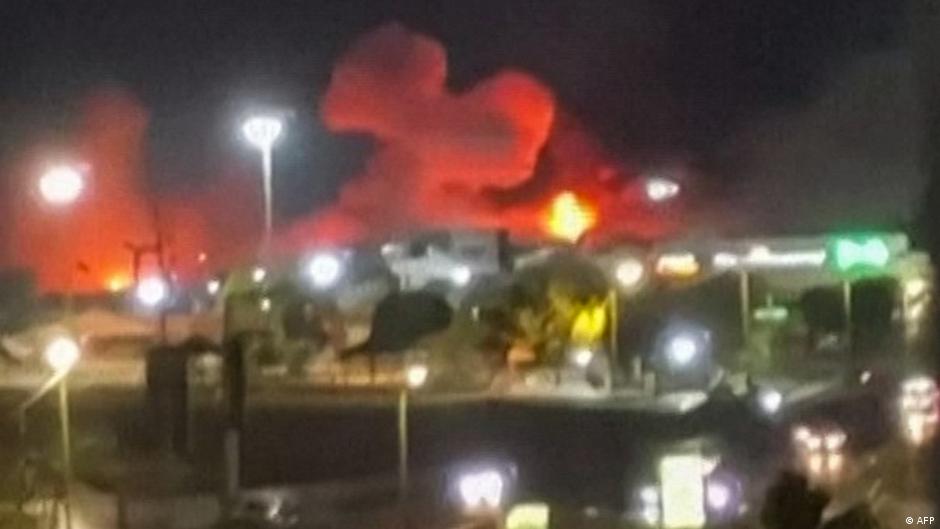
The United States military has conducted fresh strikes against Iranian targets with the stated objective of undermining Tehran's capacity to threaten commercial vessels transiting the Strait of Hormuz, a critical chokepoint for global oil trade.
Military Action Amid Rising Regional Tensions
In the early hours of July 13, the US Central Command (CENTCOM) announced a new wave of airstrikes targeting locations near the port city of Bandar Abbas and surrounding areas including Sirik, Qeshm Island, and the city of Jask. CENTCOM indicated these strikes were ordered by the US Commander-in-Chief as part of efforts to deter Iran's attacks on civilian mariners and commercial shipping navigating the vital waterway.
Iran's Islamic Revolutionary Guard Corps (IRGC) responded by declaring the Strait of Hormuz closed "until further notice and the cessation of American interventions in the region." However, CENTCOM refuted this, emphasizing that Iran does not control the strait and that shipping activities continue uninterrupted. US President Donald Trump reiterated this stance on July 12.
"The Supreme Commander ordered these strikes to deter the Iranian regime," CENTCOM stated on social media platform X, underscoring the strategic motive behind ongoing military operations.
The strikes on July 12 targeted approximately 140 Iranian military sites, including missile and drone storage facilities as well as communication nodes. This was in retaliation for an IRGC attack on the container ship GFS Galaxy, which Iran claimed deviated from approved routes and was subject to warning shots.
The IRGC also claimed attacks on US military installations in Gulf countries such as the Al-Udeid Air Base in Qatar and the port of Duqm in Oman, purportedly used by US naval forces. Iran additionally reported disabling a second vessel in the Strait on the same day.
Impact on Regional Security and Energy Markets
These military engagements occur against a backdrop of heightened geopolitical instability. The Strait of Hormuz facilitates roughly 20% of the world’s oil trade, making disruptions potentially significant for global energy markets and supply chains.
While a June 17 framework agreement between the US and Iran initially sought to halt conflict and ensure open passage, repeated attacks by Iranian forces on commercial ships since June 25 have escalated tensions, prompting US retaliatory strikes. Both sides accuse each other of violating the ceasefire terms.
On July 8, during the NATO summit in Ankara, President Trump declared the earlier memorandum with Iran void, labeling Iranian leadership as obstacles to productive negotiations. Although Trump stated he would not personally engage in talks, he left room for US negotiators to continue dialogue.
Reports from closed-door meetings indicate Iranian officials attribute the recent maritime escalations to rogue elements within their system, acknowledging missteps and expressing willingness to discuss solutions. However, talks concluded without breakthroughs.
Financial and Investor Relations Implications
The military developments in the Strait of Hormuz carry significant implications for global energy markets and investor sentiment. Given the strait's strategic importance as a transit route for oil exports, disruptions may lead to increased volatility in oil prices, impacting energy sector earnings and broader commodity markets.
Energy companies with exposure to Middle Eastern supply chains could face operational risks, while insurers and shipping firms might experience heightened claims and costs. Investors should closely monitor developments as escalating conflict risks may affect balance sheets and financial forecasts for firms linked to maritime logistics and oil trading.