German President Steinmeier Calls for European Response to Geopolitical Risks Amid Domestic Reforms
Steinmeier urges Europe to uphold international order and highlights Germany’s social reform package amid rising political challenges.
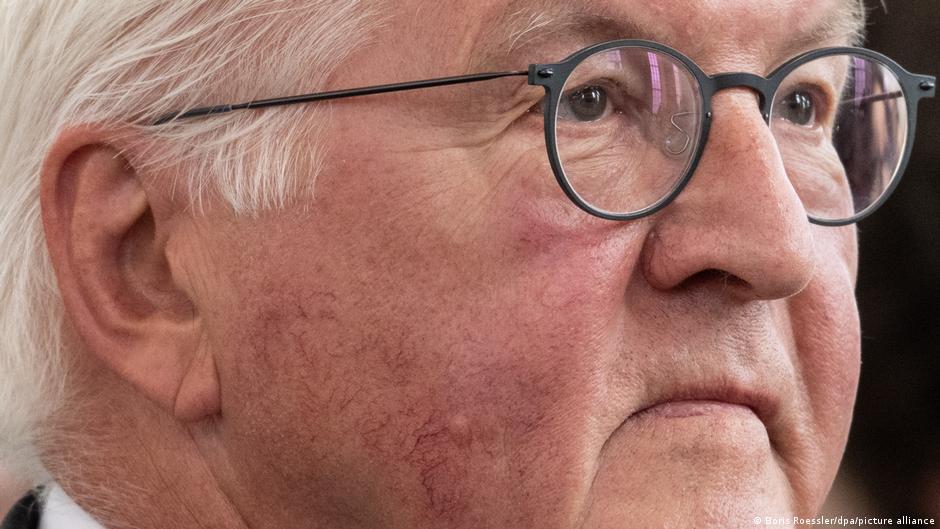
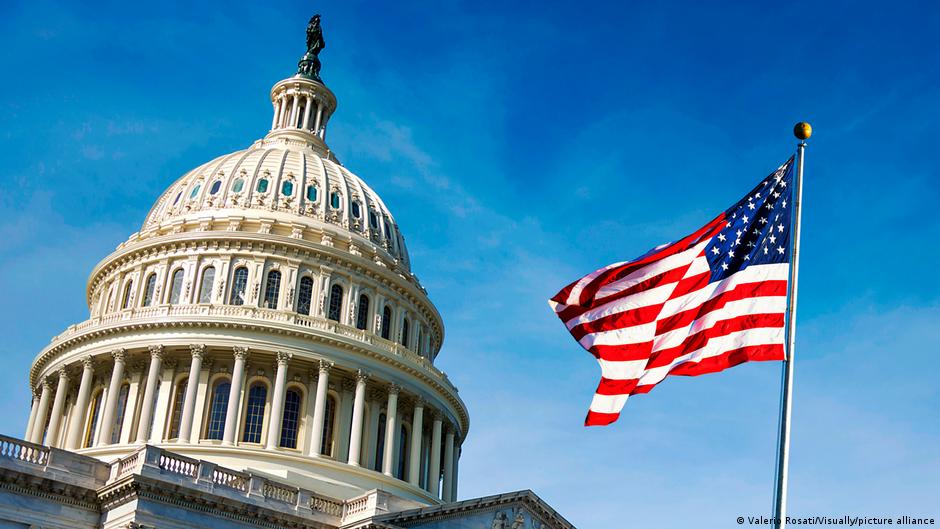
In a recent interview with the German public broadcaster ZDF, President Frank-Walter Steinmeier addressed the geopolitical and domestic challenges facing Germany and Europe. He called for a clear European stance against what he termed the "new spirit of ruthlessness" propagated by Russia and the United States, emphasizing the need for adherence to international law and order.
Geopolitical Challenges and the Need for a European Model
Steinmeier highlighted the dual geopolitical shifts that have shaped the current era: Russia’s invasion of Ukraine and a shift in values within the United States. He described these events as a "double break of an era," which demands a robust European response. He cautioned against Europe adopting the behavior of great powers that operate without regard to legal norms and international rules.
"We cannot do this. We need international order, we need laws and rules," Steinmeier stated, underscoring the importance of maintaining a rules-based global system.
Although he advocated for a pragmatic approach in dealing with the United States, the president did not directly mention former President Donald Trump, indicating a nuanced stance towards transatlantic relations.
Domestic Policy: Social Reform as a Catalyst for Growth
On the domestic front, Steinmeier commended the significant social reform package introduced on July 2 by Germany’s governing coalition led by Chancellor Friedrich Merz. He described these reforms as a crucial development for the country’s socio-economic landscape.
Nevertheless, the president emphasized that the success of these reforms hinges on their ability to stimulate economic growth. Without tangible economic progress, he warned, the current government risks losing the respect and trust of the German public.
Steinmeier urged patience and persistence in the implementation of these reforms, suggesting that steady commitment is essential for long-term success.
Political Landscape: Rising Right-Wing Support and Electoral Implications
Addressing the political landscape, Steinmeier commented on the rising popularity of the far-right party Alternative for Germany (AfD), which currently leads polls ahead of the September state elections in Saxony-Anhalt. He reminded voters and political actors that polls do not guarantee election outcomes, noting that the contest remains open.
He expressed hope that centrist parties will work to prevent extremists from gaining an absolute majority, highlighting the importance of safeguarding democratic institutions.
While Saxony-Anhalt represents only three percent of Germany’s electorate, Steinmeier acknowledged the significance of the trend, particularly as elections are also scheduled in Berlin and Mecklenburg-Vorpommern this September.
"These are three important state parliamentary elections," Steinmeier said. "You decide whether we preserve our democratic system."
Steinmeier’s comments underscore the intersection of geopolitical tensions and domestic political dynamics, highlighting the challenges faced by Germany’s leadership as it seeks to maintain stability and growth.