US Military Strikes Iran Again as Strait of Hormuz Remains Closed Amid Rising Tensions
US forces launch a third wave of attacks on Iran following Iranian Revolutionary Guard Corps’ assault on a civilian vessel, affecting global oil trade routes.
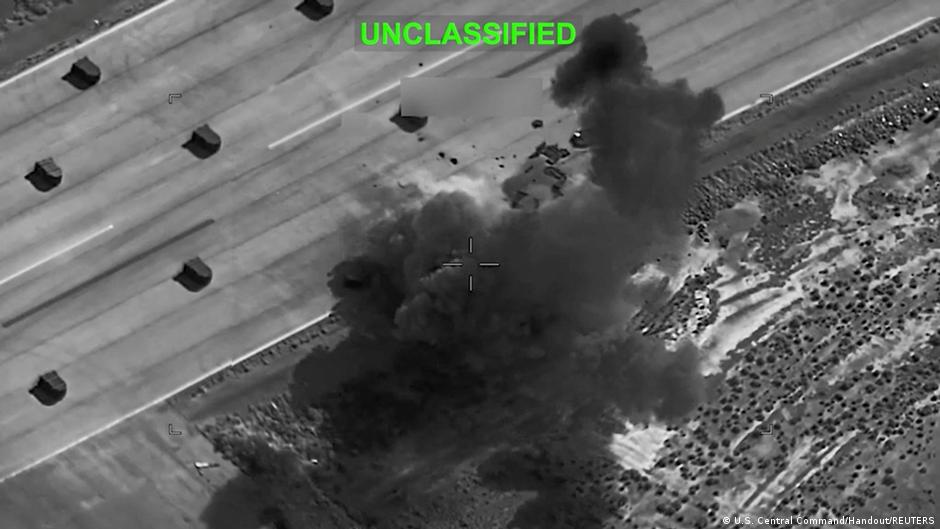
The United States military initiated a third wave of strikes against Iran overnight on July 12, responding to an attack by Iran’s Islamic Revolutionary Guard Corps (IRGC) on a civilian container ship navigating the strategically vital Strait of Hormuz. This critical waterway, essential for global oil exports, remains closed, exacerbating concerns over energy supply and regional stability.
Details of the Military Exchange and Economic Implications
The US Central Command (CENTCOM) reported that the series of attacks were a direct response to the IRGC's assault on the container ship GFS Galaxy, flying under the Cypriot flag. The vessel suffered significant damage to its engine room and a fire onboard, rendering it unable to continue its passage. One crew member is reported missing. The attacks disrupted shipping operations through the strait, through which approximately 20% of the world's oil trade passes.
"Iran was given another opportunity to demonstrate compliance with the Memorandum of Understanding after being held accountable for previous attacks on commercial vessels, but once again failed to meet this obligation," CENTCOM stated on social media platform X. "In response, the United States is inflicting substantial damage on Iran, continuing to degrade its ability to threaten civilian mariners and commercial ships transiting the strait freely." US Secretary of Defense Pete Hegseth concisely encapsulated the US stance: "Iran made the wrong choice. Now they are paying for it."
On the Iranian side, the IRGC claimed that they fired warning shots at the vessel for deviating from Iran-approved routes. Their naval forces warned that the Strait of Hormuz would remain closed until US military interventions in the region cease. The IRGC further threatened additional strikes on US military bases in the Middle East should the American attacks continue.
"One vessel that jeopardized maritime security by disabling its tracking systems was hit by warning fire and stopped," the IRGC naval forces said in a statement.
The ongoing conflict has reignited tensions after a June 17 framework agreement aimed to halt hostilities and reopen the strait. However, the peace was short-lived when Iranian forces employed kamikaze drones on a civilian tanker on June 25, provoking US retaliatory strikes the following day. Since then, multiple exchanges of fire have occurred, with strikes targeting Iranian military assets such as radar installations, missile, and drone storage facilities, as well as incidents affecting neighboring Bahrain and Kuwait.
US President Donald Trump publicly declared the memorandum with Iran null on July 8, characterizing Iranian leaders as "evil, sick people" and signaling a hardline policy by refusing direct negotiations. Nevertheless, he allowed US negotiators to continue dialogue if desired, while reinstating comprehensive oil sanctions on Iran.
Behind closed doors, Iranian officials reportedly acknowledged errors by rogue elements responsible for attacks in the Strait of Hormuz, signaling potential openness to renewed talks. "They told us: 'We failed. We made a mistake. Let's talk,'" a Washington source told Reuters on July 11.
The ongoing military actions and resulting closure of this critical maritime corridor have significant implications for global energy markets, raising concerns over increased oil prices and heightened geopolitical risk that investors and traders must closely monitor. Financial stakeholders should be aware of the continued volatility impacting supply chains and regional security.