EU Commission Recommends Withholding €2 Million Funding from Venice Biennale Over Russia's Participation
European Commission urges withdrawal of €2 million subsidy due to Russia's involvement in the 2026 Venice Biennale amid geopolitical tensions.
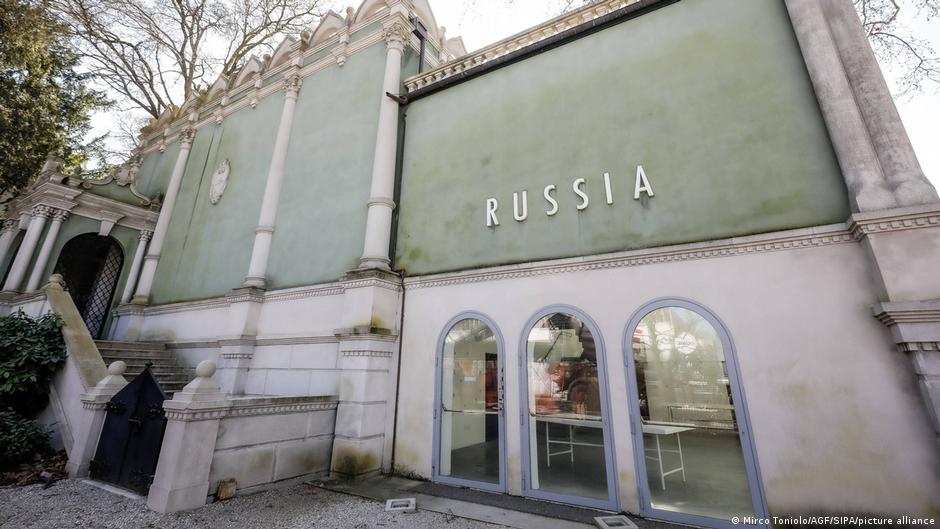
The European Commission has formally recommended that the European Education and Culture Executive Agency (EACEA) withdraw €2 million in funding allocated to the Venice Biennale. This move comes as a direct response to the decision to allow Russia to participate in the 2026 edition of the prestigious cultural event, despite ongoing geopolitical conflicts.
Henna Virkkunen, the European Commission's Executive Vice-President for Technology Sovereignty, Security, and Democracy, announced the recommendation on July 11. She emphasized that cultural initiatives financed by European taxpayers must support and uphold democratic values. "In contemporary Russia, these values are not respected," Virkkunen noted on social media platform X.
Financial and Political Implications for Venice Biennale
Russia’s re-entry into the Venice Biennale marks its first participation since the commencement of its full-scale military invasion of Ukraine. This decision has drawn sharp criticism from Brussels and Kyiv alike. The presence of the Russian pavilion has sparked protests, including demonstrations led by activist groups such as Femen and Pussy Riot.
"Culture funded by European taxpayers must promote and protect democratic values, which are not upheld in modern Russia," said Henna Virkkunen, underscoring the EU’s stance.
On April 21, European Foreign Policy Chief Kaja Kallas indicated that the EU intended to reduce funding to the Venice Biennale as a consequence of Russia’s participation. Subsequently, in early May, the European Commission issued a formal warning to the Italian government and Biennale organizers. The Commission stated that Russia’s involvement contravened EU sanctions, highlighting that the Russian pavilion is government-operated under Vladimir Putin's administration. Consequently, financing the pavilion could be interpreted as indirect economic support to the Kremlin.
Pietrangelo Buttafuoco, President of the Venice Biennale, justified the decision not to exclude Russia by citing a commitment to freedom of speech. This rationale, however, stands at odds with the EU’s financial and political position, potentially jeopardizing continued subsidies from Brussels.
The potential loss of the €2 million subsidy represents a significant financial blow to the Venice Biennale, an event that relies heavily on EU funding to operate. This funding cut is likely to have broader implications for the Biennale’s budget, programming, and international standing, especially amid increasing pressures to align cultural events with geopolitical and ethical considerations.
Investor relations and stakeholders monitoring the Biennale’s financial health will be watching closely how the organizers respond to this funding challenge. The outcome may set a precedent for how cultural institutions navigate the intersection of art, politics, and finance in an increasingly polarized international landscape.