Armed Conflicts in DR Congo Impact Regional Stability and Economic Prospects
Recent rebel attacks in DR Congo's Ituri province resulted in 69 deaths, highlighting ongoing security challenges affecting the region's economic environment.
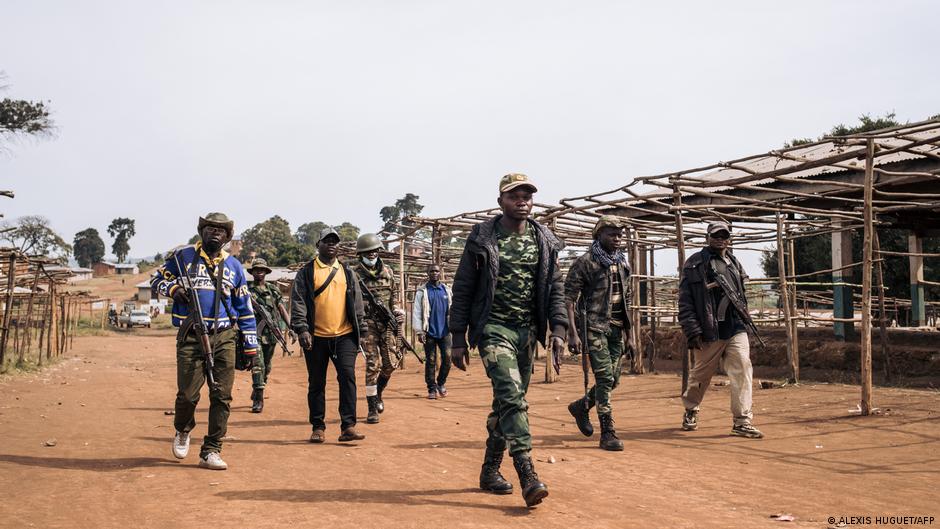
The Democratic Republic of Congo (DRC) is facing continued instability following deadly attacks by two armed rebel groups in Ituri province, which resulted in at least 69 casualties, including 19 militants. These violent incidents, confirmed in early May, underscore the persistent security threats that complicate the region’s economic and development prospects.
Implications of Ongoing Conflict on Economic Stability
The attacks occurred in late April but were only recently verified by authorities. The Convention for the Popular Revolution (CPR), linked to the Hema ethnic group, targeted a unit of the DRC’s armed forces (FARDC) in one assault. In retaliation, the Cooperative for the Development of Congo (CODECO), which claims to represent Lendu ethnic interests, launched attacks on several settlements.
Both groups operate in Ituri, a province rich in natural resources such as gold. These resources have been a major source of contention and conflict, as armed factions compete for control. CODECO, originally an influential agricultural cooperative, has transformed into a militia of several thousand members and is regarded as one of the region’s most violent groups.
“The ongoing attacks and instability in Ituri severely hamper efforts to stabilize local economies and attract sustainable investment,” a security source noted.
The protracted violence has resulted in delayed recovery operations, as security forces continue to face resistance from CODECO fighters entrenched in the region. This insecurity not only undermines civilian safety but also threatens economic activities, including mining and agriculture, which are vital to local livelihoods and national revenue.
Adding complexity, the CPR group was founded by Thomas Lubanga, a former warlord who led the Union of Congolese Patriots in the early 2000s. Lubanga was convicted by the International Criminal Court (ICC) for war crimes and, after his release in 2020, reentered politics while maintaining armed group operations. His justification for forming the new militia in 2025 was the government’s alleged unwillingness to address violence perpetrated by groups like CODECO and Ugandan rebels.
Further destabilizing the region, the March 23 Movement (M23), representing the Tutsi ethnic minority, has also been active in eastern DRC. In 2025, M23, with backing from Rwandan military forces, seized control of Goma, the region’s largest city with an estimated population of 2 million, further complicating security dynamics.
DRC has endured more than three decades of armed conflict since the 1994 Rwandan genocide, with over 7 million Congolese displaced by violence. The ongoing unrest continues to impede economic recovery efforts, deter foreign investment, and strain government resources.
From a financial perspective, the persistent conflict in resource-rich regions like Ituri poses significant challenges for the DRC’s government and investors. The instability affects the country’s balance sheets by increasing security expenditures and disrupting mining operations that contribute substantially to export revenues. Investor confidence remains fragile amid reputational risks and operational uncertainties, complicating efforts to secure foreign direct investment necessary for economic growth.
Addressing these security issues is critical to stabilizing the region's economic environment and unlocking its considerable natural wealth potential. Without effective conflict resolution and stronger governance, the financial outlook for the DRC remains highly uncertain.