Putin Endorses Gerhard Schröder as Preferred EU Negotiator in Ukraine Conflict Talks
Russian President Vladimir Putin names former German Chancellor Gerhard Schröder as his preferred EU interlocutor for ending the Ukraine war amid ongoing tensions.
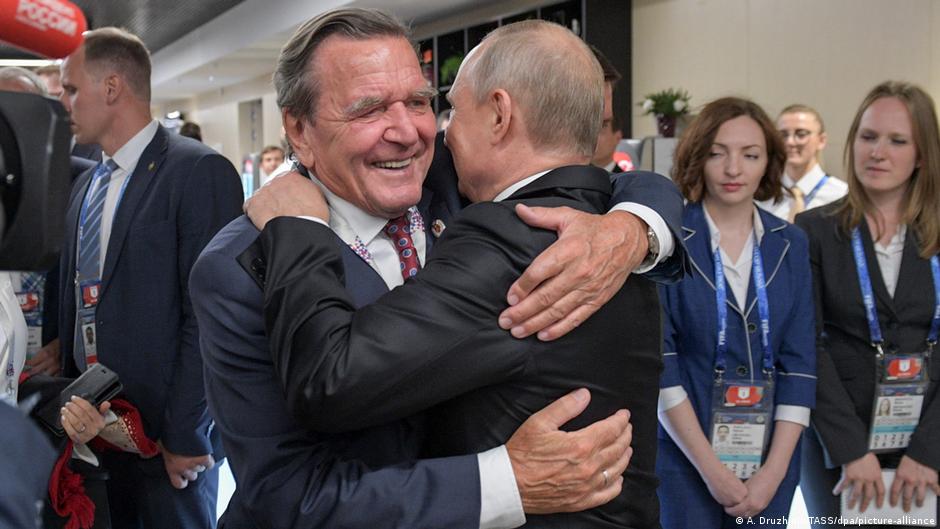
Russian President Vladimir Putin has indicated that former German Chancellor Gerhard Schröder is his preferred candidate from the European Union to negotiate an end to the ongoing conflict between Russia and Ukraine. Putin made these remarks during a press conference on May 9, underscoring Moscow's stated readiness for dialogue while outlining conditions for negotiations.
Putin’s Conditions and Diplomatic Context
When asked about potential Western European politicians suitable for dialogue, Putin singled out Schröder, emphasizing a preference for a negotiator who has not spoken negatively about Russia. He stressed that Russia has historically maintained respectful communication with the EU despite recent hostilities.
“For me personally, the former Chancellor of Germany, Mr. Schröder, is preferable,” Putin stated, adding that Europe must select a negotiator who refrains from disrespectful remarks toward Russia.
This stance contrasts with Putin’s prior rhetoric since the invasion, during which he has often used derogatory language toward European countries and leaders. For example, in December 2025, he referred to European politicians as "little pigs." Additionally, he reiterated strong opposition to Finland’s NATO membership, hinting at possible retaliatory measures.
While Putin affirmed Russia’s openness to talks, he maintained that any meeting with Ukrainian President Volodymyr Zelensky must be underpinned by "final agreements designed for a long-term historical perspective." However, official negotiations between Moscow and Kyiv remain stalled, confirmed by Russian Foreign Minister Sergey Lavrov in April.
Putin also mentioned discussions with Slovak Prime Minister Robert Fico, who conveyed Zelensky’s willingness for a summit-level meeting. Putin reiterated Russia’s openness to such a meeting, inviting Zelensky to Moscow. Nevertheless, Kyiv has repeatedly dismissed Russian and Belarusian proposals to hold talks on those countries’ territories as insincere.
Gerhard Schröder’s Role and Influence
Gerhard Schröder, Chancellor of Germany from 1998 to 2005, is known for his close ties to Vladimir Putin. Since leaving office, Schröder has been involved in several Russia-related energy projects, including serving as chairman of the board for the Nord Stream pipeline operator and the Russian oil company Rosneft.
German media often describe Schröder as a pro-Russian lobbyist within Germany, a characterization supported by his public positions during the Ukraine conflict. In January 2026, Schröder criticized what he termed the "demonization" of Russia and advocated for the resumption of imports of Russian energy at affordable prices.
Schröder’s close relationship with Putin and his pro-Russian stance reflect Moscow’s strategic preference for negotiating through interlocutors perceived as sympathetic or less antagonistic to Russian interests.
Broader Implications for Investor Relations and Market Stability
Putin’s endorsement of Schröder as a preferred EU negotiator signals Moscow’s attempt to leverage personal relationships and energy sector ties to influence diplomatic outcomes. This approach may impact European energy markets and investor confidence, particularly given Schröder’s association with major Russian energy corporations.
Recent geopolitical tensions, including Russia’s aggressive posture toward NATO expansion and ongoing conflict dynamics, have already contributed to volatility in energy prices and uncertainty in European markets. Progress toward negotiations, facilitated by figures like Schröder, could stabilize perceptions and recalibrate risk assessments for investors focused on energy and regional security.
However, diplomatic complexities remain significant, with Kyiv’s skepticism toward Russian initiatives and the broader West’s strategic calculations continuing to weigh heavily on the prospects for a swift resolution.
In parallel, historical reports from December 2025 revealed that Vladimir Putin personally lobbied for Steve Whitkoff, a U.S. businessman, to serve as a negotiator on Ukraine from the Trump administration’s side, highlighting Moscow’s ongoing efforts to influence international mediation through unconventional channels.