Poland Signs €44 Billion EU Loan Agreement for Defense Modernization
Poland secures nearly €44 billion loan under EU’s SAFE program despite presidential veto concerns.
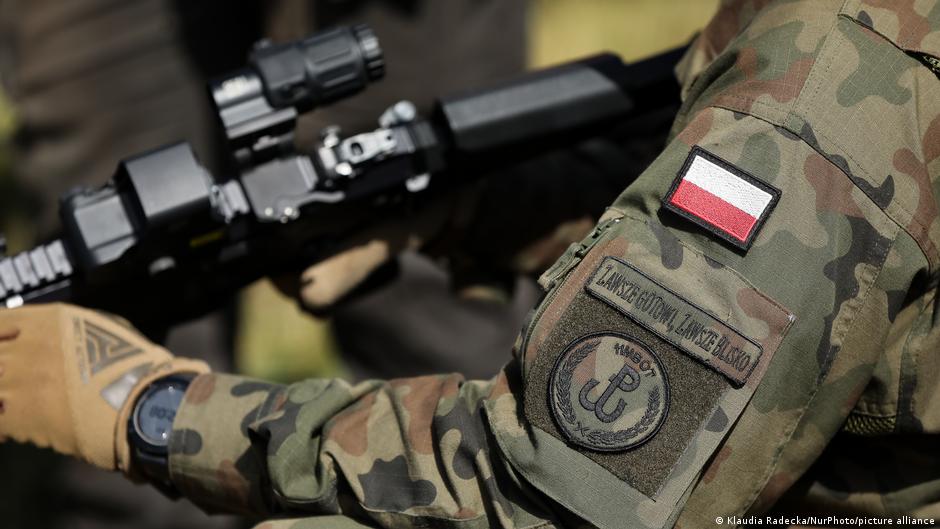
Poland has become the first European Union member state to finalize a loan agreement with the EU under the continent-wide Security Action for Europe (SAFE) program, securing a nearly €44 billion credit line aimed at modernizing its defense capabilities. This substantial financial commitment represents nearly one-third of the €150 billion SAFE budget allocated to all participating EU countries.
Key Financial Terms and Disbursement Schedule
The agreement, signed by Poland's Minister of Defense, Władysław Kosiniak-Kamysz, Minister of Finance Andrzej Domański, representatives from the National Development Bank, and EU commissioners for defense and budget, outlines a phased disbursement plan. Poland is set to receive an initial advance payment of €6.5 billion within days, with further tranches scheduled biannually in October and April.
The release of each subsequent tranche will be contingent on Poland submitting detailed progress reports on defense projects to the European Commission. Notably, the agreement includes a grace period during which Poland can defer principal repayments for the first ten years, easing immediate fiscal pressure on the national budget.
"No other member state in the program will invest such substantial sums in its defense industry," stated Prime Minister Donald Tusk, highlighting the scale and strategic significance of the investment for Poland's industrial sector.
Allocation and Impact on Defense Sector
According to the Polish government, approximately 89% of the borrowed funds will be directed to domestic defense companies and their partners. The funds aim to modernize all branches of the Polish armed forces, as well as to enhance cybersecurity capabilities.
Government spokesperson Magdalena Sobkowiak-Charnecka indicated that by the end of May, some 40 contracts are expected to be signed under the SAFE program. She emphasized the goal of establishing full-scale production capabilities within the domestic defense sector by 2030, reflecting a long-term strategic industrial development plan.
Political Context and Controversy
Poland’s agreement with the EU comes amid internal political debate. Earlier in March, President Karol Nawrocki vetoed Poland’s participation in SAFE, describing it as "a massive foreign loan" that could result in repayment obligations totaling up to 180 billion złoty (€41 billion) in interest over 45 years.
However, the government clarified that the veto limits the use of funds exclusively to military structures but does not prevent signing the agreement. Prime Minister Tusk has confirmed intentions to utilize the SAFE credit not only for the military but also for border security, firefighting services, and police modernization.
Financial Implications for Investors and Fiscal Outlook
The €44 billion loan represents a significant financial undertaking for Poland, with implications for its future fiscal balance and public debt management. The phased disbursement linked to performance reporting introduces accountability but also requires stringent project execution and transparent reporting.
For investors and analysts, the SAFE program's success will be closely monitored, as it could reshape Poland's defense industry landscape and influence its credit profile within the EU framework. The government’s ability to leverage these funds effectively will be critical to balancing defense modernization needs with sustainable financial management.