Audi Plans $4 Billion Georgia Plant as Tariff Costs Weigh on Earnings
The Volkswagen unit expects the US factory to produce 200,000 premium SUVs annually and create about 4,500 jobs.
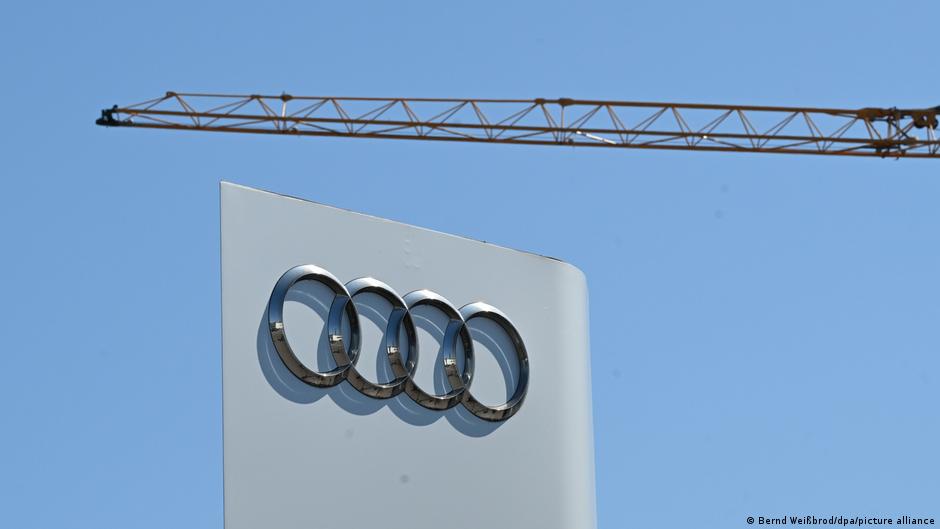
Audi plans to invest approximately $4 billion in a new manufacturing plant in Georgia, establishing its first wholly owned US factory as the Volkswagen subsidiary responds to tariff costs, weakening American sales and pressure to localize production.
US President Donald Trump announced the project on Saturday, October 24, during a campaign event in Perry, Georgia. The plant is expected to have annual production capacity of 200,000 vehicles, giving Audi a substantial domestic manufacturing base for its largest premium sport utility vehicles.
The planned capital commitment is significant for Audi and its parent company, Volkswagen AG, whose supervisory board approved a broad cost-reduction program in September 2026. The investment also comes as the group considers further global job cuts and faces uncertainty over the long-term utilization of several German factories.
Local production targets tariff exposure
Audi Chief Executive Gernot Döllner, appearing alongside Trump, said the company intends to manufacture its largest and most premium SUVs in Macon. He described the project as a long-term investment reflecting Audi’s confidence in the US market.
The Georgia facility represents a long-term commitment to the American market while shifting production of key premium models closer to US customers.
Construction is scheduled to begin in 2027, according to the company, with production expected to start in the early 2030s. The factory is projected to create approximately 4,500 jobs.
A US administration official told Reuters that Audi Q7, Q8 and Q9 models would be assembled at the facility. Audi also plans to manufacture 25,000 vehicles annually in neighboring South Carolina, adding another layer to its developing US production footprint.
Until now, Audi has imported every vehicle sold in the United States from Europe or Mexico. That model has left the automaker directly exposed to changes in US trade policy. Tariffs introduced by Trump cost Audi €1.2 billion in 2025, a material expense that highlights the potential financial benefit of moving more production inside the country.
The planned Georgia plant could reduce Audi’s exposure to import duties once it becomes operational, although the long construction schedule means tariff costs and related margin pressure may persist for several years. The company has not disclosed financing details, projected returns, operating margins or a timetable for recognizing the investment on its balance sheet.
Investment follows decline in US sales
The factory announcement also comes against a difficult sales backdrop. Audi’s US vehicle sales fell 16% in 2026, Reuters reported. The decline increases the strategic importance of controlling costs and strengthening the company’s position in a market that Audi continues to view as attractive over the long term.
Since beginning his second presidential term in January 2025, Trump has pressed foreign companies to transfer production to the United States, threatening high customs duties if they do not. He has promised to remove import tariffs for companies that comply with the demand, creating a direct financial incentive for manufacturers to establish or expand American operations.
For Audi, the economics of the Georgia project therefore extend beyond production capacity. The investment links capital spending, tariff mitigation and access to the US premium-vehicle market. Its eventual effect on earnings will depend on construction costs, plant utilization, sales volumes and the trade rules in force when manufacturing begins in the early 2030s.
Volkswagen balances expansion and restructuring
The US investment contrasts with Volkswagen’s cost-cutting measures elsewhere. The group’s supervisory board approved a savings program in September 2026 under which the automaker plans to eliminate about 50,000 additional jobs worldwide over the coming years.
At the same time, the future of four Volkswagen plants—in Emden, Zwickau, Hanover and Neckarsulm—has come into question. The company has said that production volumes at those locations are not guaranteed beyond 2030, casting doubt on their continued operation.
The parallel initiatives illustrate the group’s shifting allocation of capital and manufacturing capacity. While Volkswagen seeks lower costs and evaluates underused European sites, Audi is committing billions of dollars to localized US output. The Georgia project is intended to support high-end SUV production, limit tariff exposure and deepen Audi’s presence in a market where imported vehicles have become increasingly expensive.
Investors will now be watching how Audi phases the $4 billion expenditure, whether US sales stabilize before the plant opens and how much tariff relief local manufacturing ultimately provides. With construction not due to start until 2027 and production planned for the early 2030s, the financial payoff will be measured over a long horizon.