Bolivia and U.S. Resume Cooperation on Drug Enforcement After 18 Years
Bolivia and the United States sign a bilateral agreement to combat drug trafficking, including a $20 million U.S. aid package for Bolivian anti-narcotics efforts.
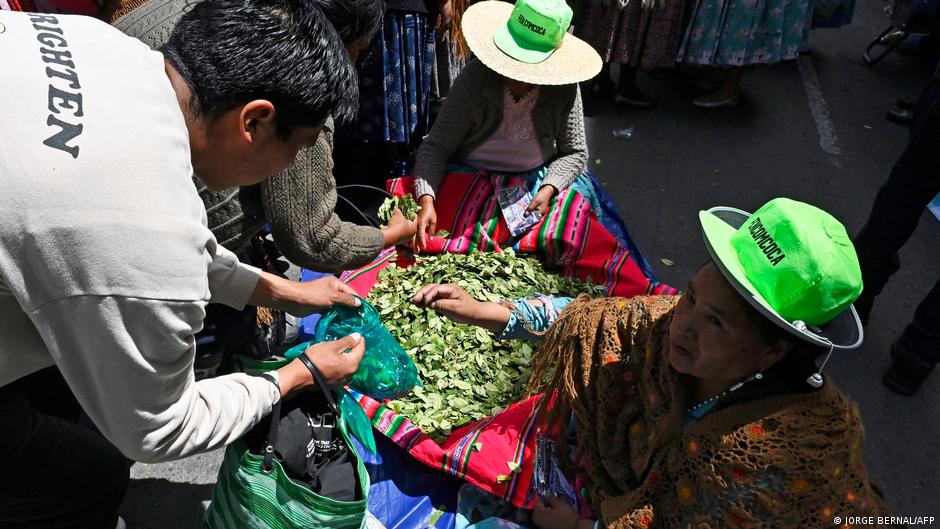
In a significant development after nearly two decades of diplomatic estrangement, Bolivia and the United States have signed an agreement to collaborate on combating drug trafficking and transnational organized crime. This marks the first formal bilateral cooperation on narcotics control since 2008, when Bolivia severed ties with the U.S. and expelled the Drug Enforcement Administration (DEA) agents from its territory.
Bilateral Agreement and Financial Commitments
The agreement, officially titled the "Agreement on Strengthening Bilateral Cooperation in the Fight Against Illegal Drug Trafficking and Transnational Organized Crime," was signed on June 16 by Bolivia's Minister of Foreign Affairs, Fernando Aramayo. Under the deal, the U.S. has committed up to $20 million to assist Bolivia with training programs and procurement of equipment for Bolivian law enforcement agencies engaged in anti-narcotics operations.
This financial infusion aims to enhance the capabilities of Bolivian specialists in tackling drug-related crimes, a critical step considering Bolivia's status as the third-largest global producer of cocaine. The partnership signals renewed trust and cooperation between the two governments, despite the absence of formal diplomatic relations and an official U.S. embassy presence in Bolivia.
"This agreement represents a milestone in bilateral efforts, particularly in addressing the challenges posed by illicit drug trafficking and organized crime," said government sources involved in the negotiations.
Context and Implications for Investor Relations
The restoration of cooperation comes after years of strained relations. In 2008, then-President Evo Morales expelled DEA agents and cut diplomatic ties with the U.S. due to disagreements over drug policy and sovereignty concerns. Although some collaboration with the DEA has resumed recently, the agency's office in La Paz remains closed, and neither country has appointed ambassadors.
From a financial market perspective, the renewed partnership could have several implications. The U.S. aid may strengthen Bolivia's institutional capacity to regulate and monitor coca cultivation, potentially stabilizing the coca supply chain that heavily influences local economies. For investors, improved law enforcement and international cooperation might reduce risks associated with illicit trade and bolster Bolivia's prospects for attracting foreign investment, particularly in sectors vulnerable to narcotics-related disruptions.
Moreover, this agreement might pave the way for broader economic engagement between Bolivia and international partners, as enhanced security and governance are often prerequisites for sustainable investment and trade relations.
While the traditional practice of chewing coca leaves remains culturally significant in Bolivia, the country faces ongoing challenges balancing cultural heritage with international drug control obligations. The new cooperation framework aims to address these complexities while targeting illegal cocaine production and trafficking.
Investors and financial analysts will monitor how this agreement affects Bolivia's macroeconomic stability, law enforcement efficacy, and the overall business climate in the region.