NATO Considers Expanding Tactical Nuclear Weapons Deployment in Europe Amid Rising Security Concerns
NATO allies discuss stationing additional tactical nuclear arms in Finland, Poland, and Lithuania amid heightened tensions with Russia.
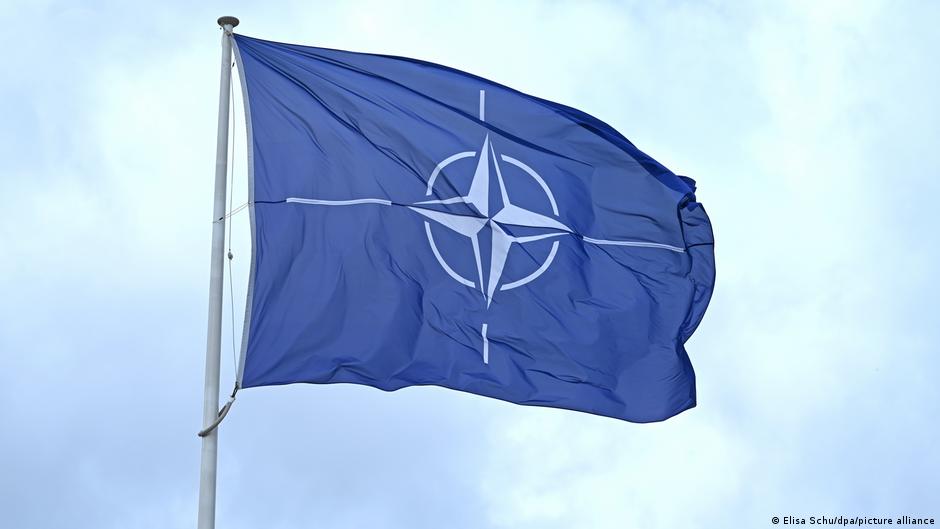
NATO is actively reviewing plans to strengthen its nuclear deterrence capabilities in Europe by potentially deploying additional tactical nuclear weapons in Finland, Poland, and Lithuania. This move reflects growing security concerns amid escalating tensions with Russia, according to recent reports.
Strategic Shift in Nuclear Posture
The North Atlantic Treaty Organization (NATO) is considering expanding its arsenal of tactical nuclear weapons — smaller, battlefield-oriented nuclear arms intended to target military infrastructure such as troops, airfields, ports, and command centers. These weapons are typically delivered by fighter jets or cruise missiles and are less powerful than strategic nuclear arms designed for large-scale strikes.
On July 31, sources indicated that this expansion aims to enhance NATO’s deterrence posture in response to increasing threats perceived from Russia. Discussions include the possibility of stationing additional U.S. nuclear weapons on European soil, particularly in Finland, Poland, and Lithuania — countries strategically located near Russia’s western borders.
"We must ensure that no adversary can launch a nuclear attack against us without facing a credible retaliatory response," stated NATO Secretary-General Mark Rutte in a recent interview, underscoring the alliance’s commitment to deterrence.
While details remain confidential, NATO’s Secretary-General did not dismiss the prospect of augmenting the number of American B61-12 tactical nuclear bombs deployed in Europe. Currently, approximately 100 B61-12 bombs are stationed across six airbases in five NATO countries—Germany, Belgium, Italy, the Netherlands, and Turkey—under the Nuclear Sharing program.
The Nuclear Sharing arrangement allows for the deployment of U.S. nuclear weapons in allied countries, enabling joint control and operational readiness. The program has been a cornerstone of NATO’s deterrent strategy since the Cold War era, though the exact number and deployment locations are typically classified.
Recent Legislative Changes and Political Developments
Significantly, Finland has amended its atomic energy laws to lift the previous ban on the import and deployment of nuclear weapons within its territory. This legislative change took effect on July 1, signaling Helsinki’s alignment with NATO’s evolving deterrence strategy following its recent membership in the alliance.
Lithuanian President Gitanas Nausėda has expressed Vilnius’s readiness to join NATO’s nuclear deterrence framework, reflecting heightened regional security priorities amid the ongoing conflict in Ukraine. However, Lithuania currently does not plan to host nuclear weapons during peacetime.
Financial and Strategic Implications
The expansion of nuclear deployments will likely entail significant logistical, operational, and defense spending considerations for NATO member states. Budget allocations may increase to support infrastructure upgrades, security, and maintenance associated with the tactical nuclear arsenal's potential enlargement.
Investor and defense sector analysts will be closely observing NATO’s announcements and related government expenditures to assess the impact on defense contractors and geopolitical risk premiums. The move also signals a potential recalibration of military spending priorities among European NATO members, balancing deterrence needs with economic constraints.
Overall, this strategic shift underscores NATO's commitment to maintaining a credible nuclear deterrent capability in Europe while responding to changing geopolitical dynamics in the region.