Spain Faces Migrant Influx in Ceuta with Economic and Security Implications
Spain deploys military to Ceuta amid migrant surge, highlighting challenges to regional stability and economic costs.
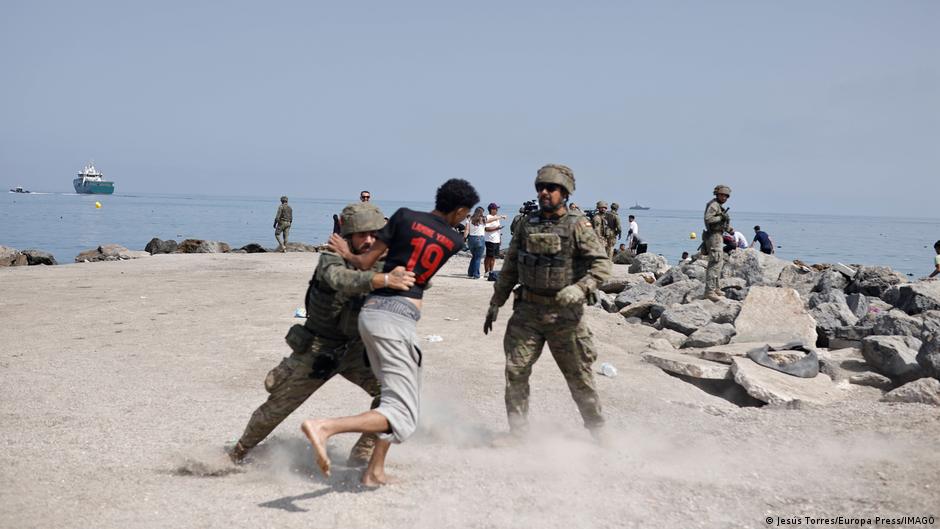
Spain Deploys Forces to Ceuta Amid Migrant Surge
Spanish Prime Minister Pedro Sánchez visited the northern African Spanish exclave of Ceuta on July 31, addressing a mass influx of approximately 60,000 illegal migrants crossing from neighboring Morocco within recent days. The prime minister described the surge as an "attack" on Spain and a violation of its territorial integrity. In response, Madrid has deployed military personnel to restore order in the enclave, marking its first such deployment since 2021.
Local authorities reported that dozens of migrants drowned attempting to reach Ceuta by sea, with the death toll reaching 57 by the evening of July 31. Concurrently, the Spanish government announced that tens of thousands of these migrants voluntarily returned to Morocco through the land border, signaling a partial resolution to the crisis.
Spain's Foreign Minister José Manuel Albares stated on social media platform X that the crisis was effectively under control as most migrants had returned to Morocco by the end of July.
"The migrant surge represents a significant challenge not only to Spain's territorial integrity but also to the stability and economic security of the region," noted a security analyst.
Economic and Social Impact on Ceuta
The population of Ceuta, estimated at about 85,000 residents, experienced social unrest as citizens protested what they perceived as a loss of governmental control over the migrant influx. Many local businesses closed out of concerns over potential looting, and residents reported fear of leaving their homes due to heightened tensions.
The crisis poses financial strains on local infrastructure and public services, including healthcare, housing, and law enforcement, potentially impacting Ceuta’s modest economy which depends on trade and cross-border commerce with Morocco.
From a broader financial viewpoint, managing such sudden migrant surges entails increased government expenditure in border security, social services, and emergency response, which could affect Spain's fiscal budget allocations for the coming quarters.
European Response and Border Controls
The European Commission confirmed that no illegal migrants who crossed into Ceuta have reached mainland Europe, reflecting stringent regional border controls. Nevertheless, the situation prompted Italy to temporarily suspend the Schengen Agreement with Spain on July 31, citing security concerns stemming from the migrant influx into Ceuta.
Italian Foreign Minister Antonio Tajani described this unilateral suspension as a necessary measure to protect national security and safeguard European borders.
This development underscores the financial and diplomatic challenges that migration crises impose on the European Union, including potential disruptions to free movement agreements and increased spending on border management initiatives.
Investor relations experts and policymakers are closely monitoring how these geopolitical tensions and humanitarian pressures may influence Spain’s economic outlook and fiscal stability, particularly as the country navigates post-pandemic recovery efforts.