Canada Base Fire Kills Four, Puts Military Costs Under Scrutiny
The Wainwright training disaster leaves dozens injured and raises questions about the financial impact on Canada’s armed forces.
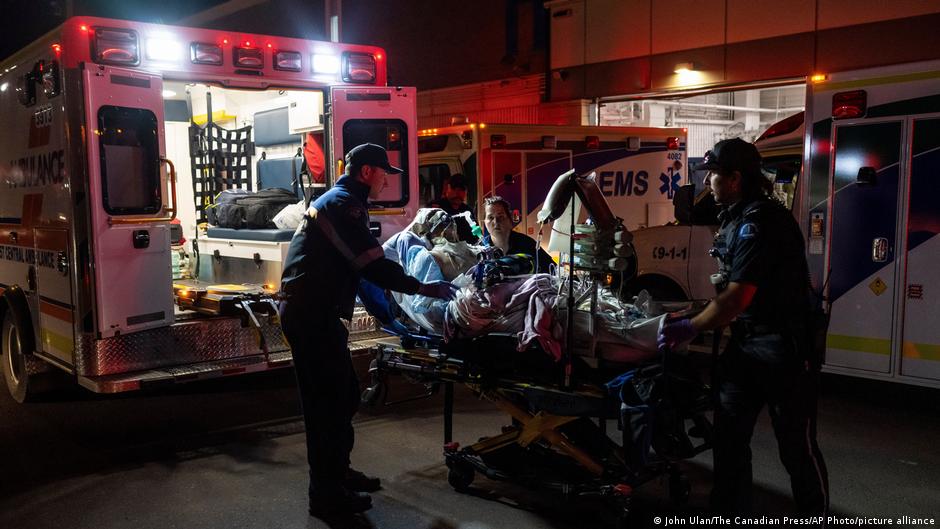
At least four Canadian Army personnel were killed and dozens were injured after a wildfire swept through a military exercise at Canadian Forces Base Wainwright in Alberta, Prime Minister Mark Carney said on Sunday, October 18.
The disaster, which left 19 casualties in critical condition and approximately 20 others with less severe injuries, is likely to bring heightened scrutiny to the financial consequences of military training accidents. Immediate considerations may include medical treatment, support for affected families, investigations, equipment losses and potential changes to safety procedures. Authorities have not disclosed estimates for any of those costs.
The absence of an initial financial assessment means the event cannot yet be quantified in budgetary terms. Nevertheless, the scale of the casualties could make the response relevant to future defense spending disclosures and parliamentary oversight, particularly if the military must replace damaged assets or modify how exercises are managed during periods of elevated wildfire danger.
Casualties and operational decisions
The wildfire began during the afternoon of October 18, according to authorities. Military leaders decided not to halt the exercise after the fire started. Strong winds subsequently drove the flames rapidly across the prairie toward the participating soldiers.
Generals said the fire covered one kilometer in 36 seconds, illustrating the speed with which conditions deteriorated. Officials have not provided a monetary estimate for damage to the Wainwright base, military equipment or surrounding land. No details were given about the units involved, the total number of personnel participating or the equipment deployed in the exercise.
“It is with profound sorrow that I must confirm that, at this time, four service members have died, and their families have been notified,” Carney said at a news conference in Ottawa.
Carney said dozens of other personnel had suffered serious injuries. He described the incident as one of the worst tragedies faced by the Canadian Armed Forces on Canadian soil during peacetime.
For financial reporting purposes, the most immediate measurable effects are likely to emerge through government expenditure rather than corporate earnings. Medical and family-support obligations may be recorded across military and public-sector accounts, while any replacement of vehicles, communications systems, protective equipment or other assets would depend on the extent of the damage. Officials have not identified which assets, if any, were destroyed.
Potential implications for defense budgets
The decision to continue the exercise after the wildfire began is also likely to be central to any official review. Such findings could affect future risk controls, training protocols and resource allocation. New requirements related to evacuation planning, fire monitoring, protective gear or emergency response capacity could create additional spending needs, although no measures or budget changes have been announced.
Any eventual financial effect would need to be distinguished between one-time emergency costs and longer-term operating or capital expenditure. One-time items could include the immediate response, casualty care and the repair or replacement of damaged property. Recurring costs could arise if the armed forces introduce broader wildfire-related safeguards across training sites. At present, there is insufficient information to calculate either category.
The incident may also prompt questions about how the Canadian military recognizes and reports operational risks tied to extreme fire conditions. Bases conducting field exercises can face exposure not only through personnel safety but also through infrastructure damage, interrupted training schedules and the loss of deployable equipment. In this case, authorities have not said whether operations at Wainwright were suspended after the fire or whether future exercises will be affected.
From an investor-relations perspective, the direct impact appears concentrated in the public sector because the available information identifies no private contractors, insurers or publicly traded suppliers connected to the event. Any implications for defense-sector companies would depend on subsequent procurement, repair or service contracts, none of which have been announced.
The financial picture will therefore remain preliminary until the government or the armed forces release information on damaged assets, response expenditures and possible policy changes. For now, the confirmed figures relate to the human toll: four military personnel dead, 19 people in critical condition and approximately 20 others with less severe injuries after a fast-moving prairie fire reached soldiers taking part in the exercise.