Trump Delays Russia Sanctions, Citing Ukraine Talks and Diesel Markets
The US president paused steep proposed tariffs while highlighting negotiations, Iran policy and risks to global diesel supplies.
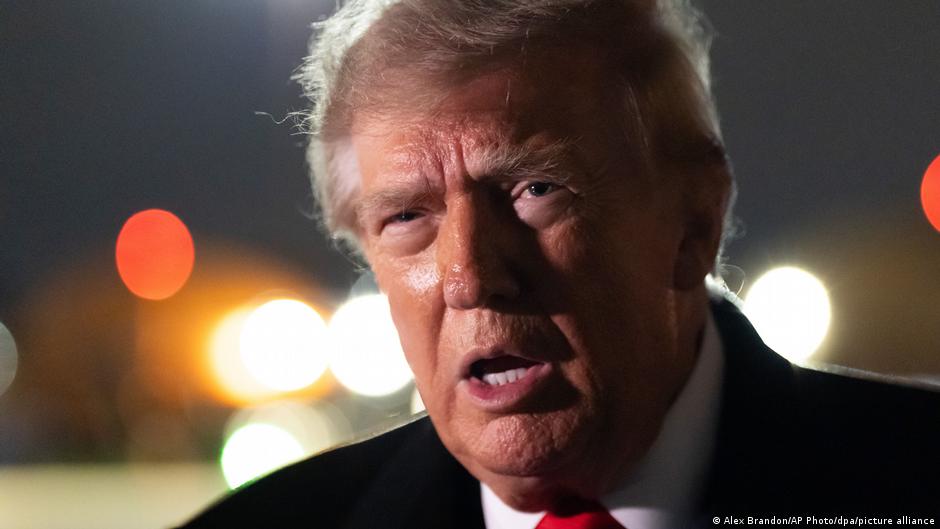
US President Donald Trump said he has postponed what he called “hellish sanctions” against Russia, arguing that immediate action could disrupt negotiations over the war in Ukraine and encourage Moscow to provide greater assistance to Iran.
Trump said the restrictive measures could still be introduced whenever he considers them necessary. His decision delays a sanctions package carrying potentially significant consequences for Russian exports, major buyers of Russian oil and gas, and global energy markets.
In a post on Truth Social on Sunday, October 18, Trump said his approach to Russia was straightforward because peace negotiations remained under way. He argued that signing the proposed legislation now could drive Moscow away from the negotiating table.
“I can sign it later at any time when I consider it necessary,” Trump said of the proposed sanctions legislation.
The president said “significant progress” had been achieved in negotiations with Moscow, including on the release of prisoners. He presented the delay as a tactical pause rather than an abandonment of the measures, preserving the threat of substantial trade restrictions while maintaining diplomatic leverage.
Tariff proposal carries broad financial exposure
The bill associated with the late Senator Lindsey Graham would impose additional tariffs of 500% on Russian goods. It would also apply tariffs of 100% to products from countries ranked among the five largest buyers of Russian oil and gas, as well as countries considered the most active in helping Moscow circumvent sanctions.
Such measures would extend the financial impact well beyond Russia. By targeting leading energy customers and alleged sanctions-evasion channels, the proposal could affect trade flows, import costs, corporate supply chains and the financial position of companies exposed to Russian commodities. The scale of the proposed tariffs could effectively make affected goods commercially uncompetitive in the US market.
The legislation required Trump to introduce the restrictions by October 18, while also allowing him to pause the process if doing so served US national interests. Trump exercised that authority on October 17.
For investors and businesses, the decision leaves a substantial policy risk unresolved. Companies connected to energy trading, refining, agriculture, transportation and other fuel-intensive industries must account for the possibility that the tariff package could be activated later, while the present pause limits the immediate shock to commodity prices and cross-border commerce.
Iran and diesel supply shape the decision
Trump said another important consideration was Russia’s limited assistance to Iran. According to the president, Moscow was providing Iran with practically no help compared with what it could potentially offer. He said he wanted that situation to continue and warned that ill-considered actions could undermine it.
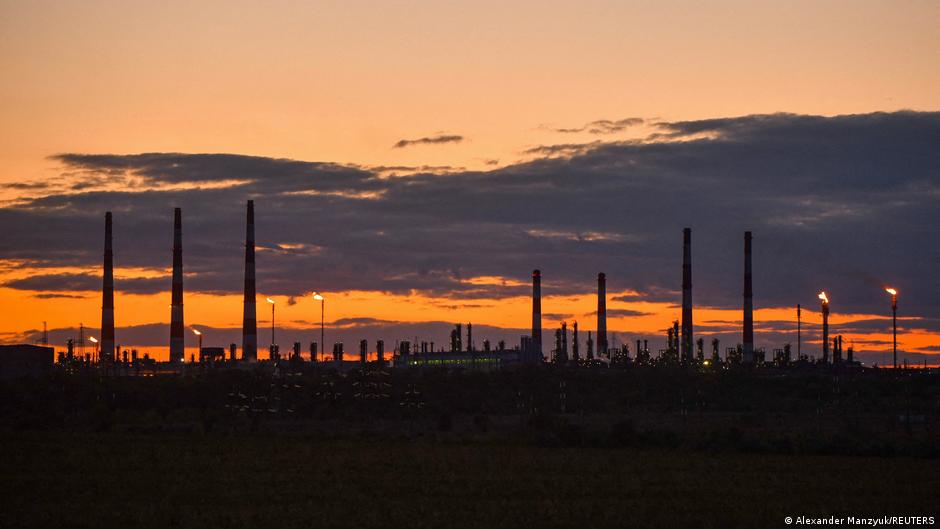
The president also renewed his criticism of Ukrainian President Volodymyr Zelensky over Ukrainian attacks on Russian oil refineries producing diesel fuel. Trump argued that Zelensky understood the serious damage such strikes could cause to the global diesel market, including the US market.
Trump said higher market pressure was hurting farmers, ranchers and businesses across multiple sectors. He also claimed that Russia continued to supply millions of barrels of low-priced diesel fuel to the global market despite the attacks.
The comments place refined-product supply at the center of the administration’s rationale. Diesel prices influence freight, agricultural production and industrial operating costs, creating a direct link between the conflict, refinery capacity and corporate margins. Any disruption to Russian output or exports could therefore filter through balance sheets and quarterly results for businesses with high transportation or fuel expenses.
At the same time, continued low-priced Russian diesel supplies could restrain costs for some buyers while complicating efforts to increase economic pressure on Moscow. Trump’s remarks indicate that the White House is weighing sanctions policy against both diplomatic objectives and the financial effect of tighter fuel markets.
Trump intensifies criticism of Zelensky
Trump said he wanted to end Russia’s war against Ukraine but accused Zelensky of having little interest in bringing the conflict to a close. He claimed the Ukrainian president was not seeking an end to the war and perhaps never had been.
The US president also asserted that Ukraine could have secured a much more favorable agreement two years earlier. He described the country as being in ruins, said a significant share of its territory had been lost, claimed it no longer had access to seas and oceans, and stated that its male population had declined through displacement, injury or death.
Trump’s decision keeps the proposed tariffs available as a future pressure mechanism while avoiding their immediate economic consequences. The timing of any eventual implementation now depends on his assessment of the negotiations, Russia’s relationship with Iran and developments in global diesel markets.