Kyiv Missile Strike Damages Buildings and Metro Infrastructure
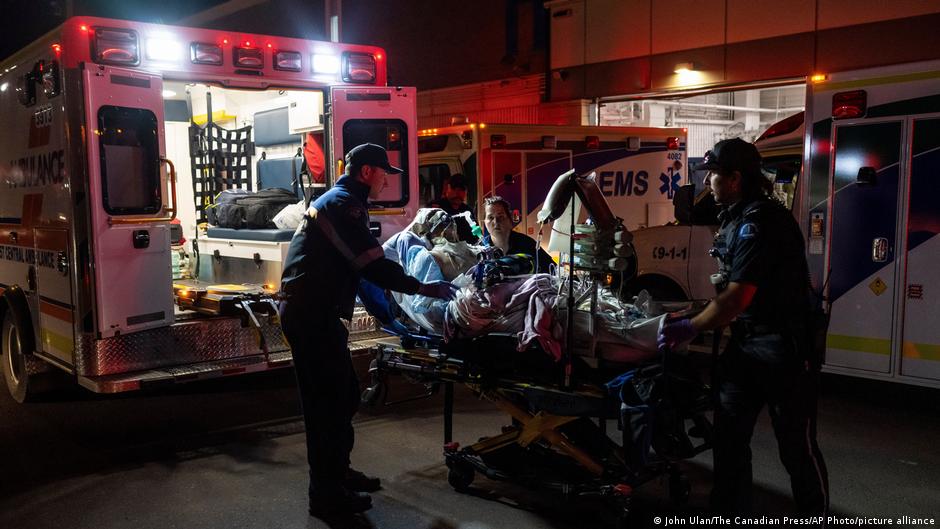
The attack killed a 21-year-old woman, injured three residents and damaged property and transport infrastructure across Kyiv.

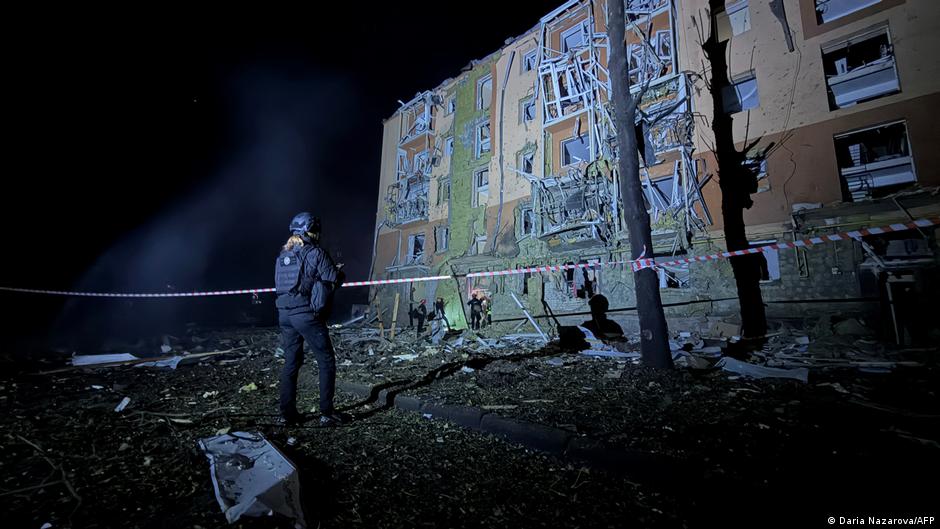
A Russian missile strike on Kyiv on the evening of October 18 killed a 21-year-old woman and injured three other residents, according to the Ukrainian capital’s authorities. The attack also damaged buildings in three districts and affected a metro station on the left bank of the Dnipro River, creating potential repair and service-restoration costs for the city.
Kyiv Mayor Vitali Klitschko said in a Telegram post that the strike hit several types of property across the capital. Preliminary information indicated that a medical-center building was struck in Kyiv’s Desnianskyi district. A non-residential building was hit in the Dniprovskyi district, while the first floor of a 25-story residential building was affected in the Solomianskyi district.
The reported damage spans healthcare, commercial or municipal non-residential property, housing and public transport infrastructure. The authorities did not disclose the ownership of the affected medical center or non-residential building, and they provided no estimate of repair costs, insured losses or the broader financial impact.
Metro Damage Adds Infrastructure Exposure
One of Kyiv’s metro stations on the left bank of the Dnipro was also damaged, Klitschko said. Falling debris caused a break in the rails, adding transport infrastructure to the assets affected by the attack.
The disclosure did not specify the station, the expected duration of any disruption, the cost of replacing the damaged track or whether other metro equipment was affected. No information was provided about potential revenue losses, additional operating expenses or the source of funding for repairs.
For financial reporting purposes, the incident creates several categories of possible costs that will require assessment by municipal authorities and the owners or operators of the damaged buildings. These include direct physical repairs, debris removal, safety inspections and the restoration of transport infrastructure. The residential impact may also require an evaluation of damage to privately owned apartments and shared areas of the high-rise building.
However, the available official statements contain no monetary figures. They also do not indicate whether emergency spending has been authorized, whether existing municipal budget allocations will cover the work or whether additional financial assistance will be required. Any estimate of the effect on Kyiv’s balance sheet, operating expenditure or capital program would therefore be premature.
Authorities reported impacts at a medical center, a non-residential building, a 25-story residential building and a metro station, but released no financial damage estimate.
Initial Disclosure Focuses on Casualties and Physical Damage
The Ukrainian Air Force said on the evening of October 18 that Kyiv had been attacked with a ballistic missile. The statement identified the type of threat but did not provide details about the missile’s launch location, interception efforts or the value of the damaged assets.
The immediate official reporting centered on the human toll and the locations of the impacts. The death of the 21-year-old woman and the injuries to three residents represent the most serious consequences disclosed by the authorities. No further details about the victims were provided in the source material.
From an investor-relations perspective, there was no indication in the initial statements that a publicly traded company had issued a material-event notice connected to the strike. The medical facility and non-residential property were not identified by name, leaving their ownership, insurance arrangements and potential corporate exposure unclear.
The residential building damage likewise cannot yet be translated into a financial figure. Authorities said the first floor of the 25-story building was hit, but did not state how many units or common areas were damaged, whether residents were displaced or whether the structure remained usable. Those details would be necessary for a reliable repair provision or insurance-loss assessment.
The metro rail break may have more direct implications for municipal operations, although the financial scale remains undisclosed. Track repairs can require emergency labor, technical inspections and temporary changes to services, but officials did not report whether trains were suspended or rerouted. The lack of operational details prevents an estimate of lost fare revenue or additional transport costs.
Further disclosures from Kyiv’s municipal authorities, infrastructure operators and property owners would be needed to establish the attack’s measurable financial impact. Relevant information would include verified damage assessments, restoration timelines, insurance coverage, emergency appropriations and any changes to planned capital expenditure.
Until those figures are published, the event can be recorded as a deadly missile strike with confirmed damage across several asset classes, but not yet as a quantifiable financial loss. The initial facts establish the locations and nature of the physical impacts while leaving their accounting, budgetary and insurance consequences unresolved.