Collapse of Latvian Ruling Coalition Follows Defense Minister Resignation Amid Security Concerns
Latvia's ruling coalition disbands after Defense Minister's resignation raises doubts about government stability ahead of elections.
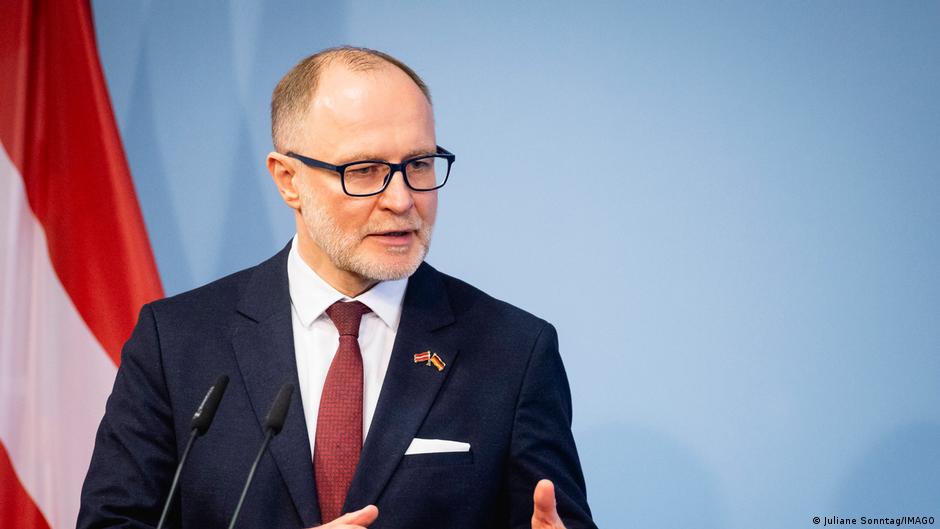
Latvia's ruling coalition, composed of the New Unity party, the Progressives, and the Union of Greens and Farmers, has officially collapsed after the resignation of Defense Minister Andris Sprūds. The resignation followed a security incident involving drones entering Latvian airspace, which triggered a political crisis and raised concerns about the government's capacity to maintain national security.
Political Fallout from Security Incident
On May 10, Defense Minister Andris Sprūds, a member of the Progressives party, stepped down after two drones reportedly crossed into Latvian airspace, allegedly en route from Ukraine to Russia. Prime Minister Evika Siliņa attributed her loss of confidence in Sprūds to this security breach, stating that the military leadership had failed to uphold its promises of airspace safety.
Following Sprūds' departure, Prime Minister Siliņa proposed appointing Colonel Raivis Melnis, a professional military officer, as the new defense minister. However, the Progressives, a key coalition partner, expressed dissatisfaction with the government's handling of the issue and have yet to provide a definitive response to the proposal.
"At this stage, there are only two options: either Siliņa resigns due to lost public trust, or the parliament ends her government through a vote," said Andris Šuvajev, leader of the Progressives' parliamentary faction.
Šuvajev's statement came after a meeting with Prime Minister Siliņa during which the Progressives reportedly received no satisfactory answers to crucial questions concerning governance and security protocols. The Union of Greens and Farmers agreed with this assessment, leading to the coalition's dissolution on May 13.
Implications for Parliamentary Support and Governance
The disintegration of the coalition jeopardizes the government's parliamentary majority. Without the Progressives' nine seats, the New Unity party's support falls to 41 out of 100 seats, while the opposition holds 47. Opposition parties have already indicated their intention to initiate a vote of no confidence.
Despite the coalition breakdown, the Progressives have not yet withdrawn their remaining ministers from the cabinet, instead calling on President Edgars Rinkēvičs to begin consultations on forming a new government. The president himself has underscored the urgency of resolving the political impasse, especially with parliamentary elections scheduled in five months.
In a public statement, President Rinkēvičs emphasized Latvia's need for a stable and decisive government to enhance its defense capabilities amid complex European security challenges. He plans to meet with parliamentary faction leaders on May 15, urging all parties to prepare constructive proposals to address the crisis.
Financial and Economic Context
The political instability comes at a critical time for Latvia's economy and fiscal planning. The government's ability to secure and efficiently allocate defense spending will likely be scrutinized by investors and international partners, particularly in light of ongoing regional tensions. Uncertainty around leadership may affect budget approvals, public spending, and investor confidence ahead of the upcoming elections.
Market observers and financial analysts will be monitoring the situation closely, particularly the government's capacity to maintain policy continuity and uphold commitments to defense expenditure. The appointment of a professional military officer to lead the defense ministry was viewed as a stabilizing move, but the coalition's collapse introduces new risks to Latvia's political and economic landscape.