Trump-Si Jinping Meeting in Beijing Highlights Economic and Strategic Cooperation
US-China leaders discuss Iran Strait, trade relations, and energy crisis impacts amid ongoing geopolitical tensions.
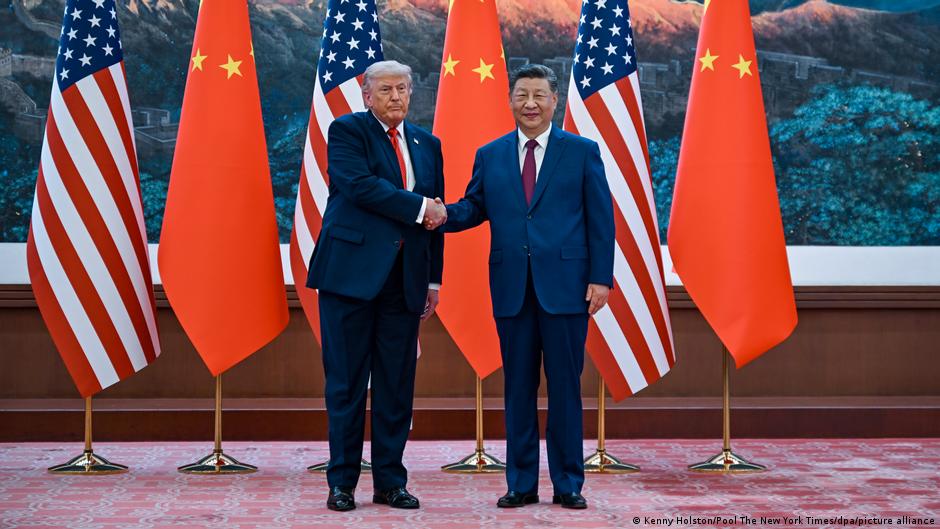
On May 14, Chairman Xi Jinping of China hosted a formal welcome ceremony for US President Donald Trump in Beijing, marking a significant diplomatic engagement between the two global powers. The meeting took place in the grand Great Hall of the People, located in Tiananmen Square, and was conducted with full military honors.
President Trump expressed optimism about the bilateral relationship, stating, "For me, it is a great honor to be your friend, and the relations between China and the United States will be better than ever before." Xi Jinping responded by emphasizing the importance of partnership over rivalry, noting that such collaboration benefits both nations and represents "a blessing for the entire world."
Focus on Strategic and Economic Issues
"Both nations must be partners, not competitors, as this benefits the entire world," Xi Jinping emphasized during the meeting.
The summit involved key members of the US government and business community, including Secretary of State Marco Rubio, Treasury Secretary Scott Bessent, Defense Secretary Pete Hegset, as well as prominent corporate leaders such as Apple CEO Tim Cook and Tesla CEO Elon Musk. Their presence underscores the high stakes for both government policies and international business interests.
One of the pivotal topics on the agenda is the ongoing conflict involving the United States, Israel, and Iran. Secretary Rubio highlighted Washington's expectation for China's assistance in lifting Iran's blockade of the strategically crucial Strait of Hormuz. This waterway is vital for global energy supplies and currently impedes not only US and allied vessels but also Chinese ships anchored in the area.
China's economy, heavily export-oriented, faces challenges due to the global energy crisis which has dampened demand for Chinese goods. Consequently, securing the free flow of maritime trade routes like the Strait of Hormuz is a priority for Beijing.
Trade relations between the US and China remain a central theme of the discussions. In their previous meeting in South Korea in October 2025, the two leaders reached preliminary agreements aimed at removing barriers in China's export of rare earth metals and reducing US-imposed tariffs related to the fentanyl crisis. The current visit is expected to build on these foundations to further ease trade tensions.
Additionally, the Taiwan issue is likely to be a topic of concern, given its strategic importance and the complex geopolitical dynamics involved.
President Trump's visit to Beijing spans two days, marking his first trip to China since his initial presidential term in 2017. The visit carries significant weight for investors and market analysts monitoring the evolving US-China economic and political relationship, which has broad implications for global markets and supply chains.