Uzbekistan's Meat Imports Surge 63%, Raising Concerns Over Domestic Production Slowdown
Meat imports to Uzbekistan increased 62.8% in early 2026 amid slowing domestic output and rising prices.
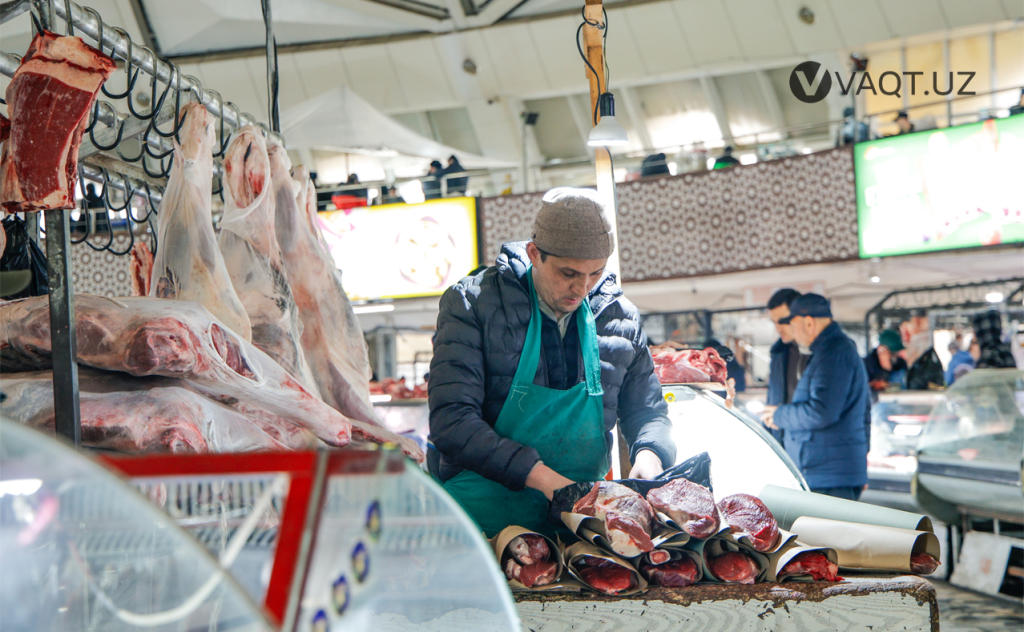
Uzbekistan has seen a significant surge in meat imports during the first four months of 2026, with total import value reaching $320.6 million. This represents a 62.8% increase compared to the same period in 2025, highlighting the nation’s growing reliance on costly foreign meat amid a slowdown in domestic production.
Import Growth Outpaces Domestic Meat Production
According to customs data, the volume of imported meat products grew by 36.6% year-over-year to 98,000 tons, driven primarily by beef and chicken imports. Beef accounted for the largest share with 49,850 tons, followed by chicken at 22,700 tons.
"Uzbekistan is increasingly dependent on higher-priced imports as domestic meat production growth slows and feed costs rise," an industry analyst noted.
Domestic meat production in Uzbekistan for the first quarter of 2026 totaled 580,200 tons, marking a modest 2.9% increase—the lowest growth rate since 2022. The slowdown is attributed mainly to rising feed prices, which have impacted small farmers and household producers responsible for a significant share of meat output.
Rising Import Prices and Inflationary Pressure
Global supply chain disruptions, inflation, and geopolitical tensions have contributed to higher import costs. The average price for imported beef rose from $4.07 per kilogram in 2025 to $4.80 in 2026. Similarly, lamb import prices nearly tripled, climbing from $1.03 to $2.87 per kilogram. Chicken prices held relatively stable, moving slightly down from $1.22 to $1.20 per kilogram.
Locally, retail meat prices have also surged. The Central Bank reported a 23.9% increase in beef prices, a 25% rise for boneless beef, and a 26.9% hike in lamb prices throughout 2025. By March 2026, annual price growth remained high with beef up 15.1%, boneless beef 15.5%, and lamb 18.2%. Market prices have peaked at around 200,000 Uzbek soms per kilogram in bazaars, and up to 259,000 soms in supermarkets.
In April alone, lamb prices increased by 3.7% and beef by 3.2%, placing meat among the fastest rising food products in the country.
Implications for Uzbekistan’s Meat Market and Economy
The rising dependence on imported meat may exert continued upward pressure on domestic meat prices, posing challenges for consumer affordability and inflation management. The combination of slower domestic production growth and escalating global prices suggests that meat price stabilization in Uzbekistan is unlikely in the near term.
Investors and market participants should monitor these trends closely, as they may affect related sectors such as agriculture, logistics, and retail. Policymakers face the challenge of supporting domestic production growth through feed cost management and improving local livestock farming efficiency to reduce import dependency.
Looking ahead, the meat sector’s financial metrics, including import costs, production volumes, and retail pricing, will remain critical indicators for assessing Uzbekistan’s food security and inflation trajectory.