US Intelligence Indicates Iran Retains Majority of Its Missile Capabilities Despite Claims
New intelligence reports suggest Iran has preserved around 70% of its pre-conflict missile arsenal and mobile launchers, challenging US official statements.
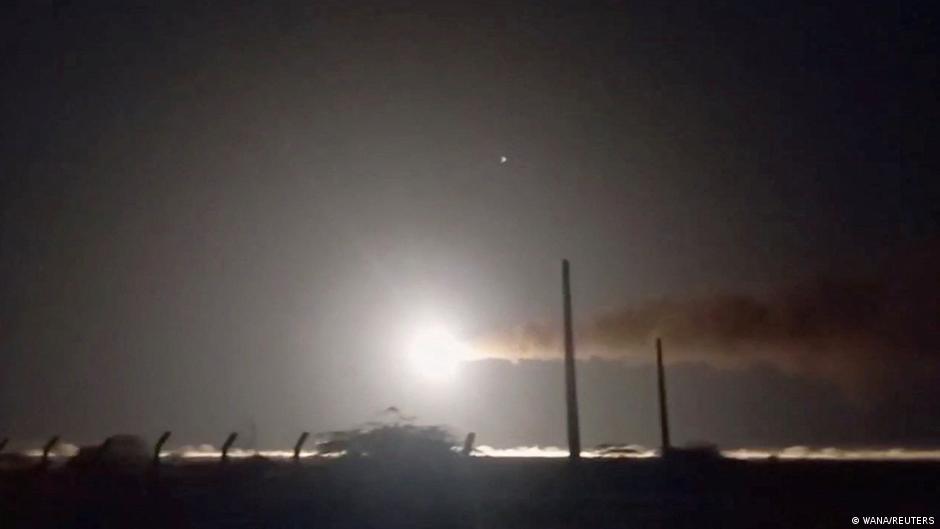
Recent US intelligence assessments reveal that Iran continues to maintain a significant portion of its military missile capabilities, contradicting official declarations from US leadership claiming substantial degradation of Iran's forces. According to reports, Iran retains approximately 70% of its pre-conflict missile arsenal and mobile launch platforms across the country, raising concerns about regional security and US military readiness.
US Intelligence vs. Official US Statements
The New York Times and The Washington Post have reported that Iran's missile forces are largely intact despite US military strikes aimed at degrading them. The intelligence data indicates that Iran has restored operational readiness to roughly 30 of 33 missile launch complexes along the strategically critical Strait of Hormuz. These sites pose a potential threat to American naval vessels and commercial oil tankers navigating the area.
"New intelligence data suggest that US leadership overestimated the damage inflicted on Iran's missile infrastructure and underestimated Tehran's resilience and recovery capabilities."
Satellites and other surveillance methods show that Iran has regained access to about 90% of its underground missile storage facilities nationwide, many of which are now assessed as partially or fully operational. This resurgence reflects Iran's capacity to withstand and recover from military pressure, complicating US strategic calculations.
Official US statements, including those by former President Donald Trump and former Secretary of Defense Mark Esper, have asserted that Iran's military threat was effectively neutralized. However, these claims appear inconsistent with the intelligence community's findings, which suggest a far less diminished Iranian missile capability.
Implications for US Military Logistics and Geopolitical Strategy
The apparent discrepancy between public statements and intelligence assessments has significant implications for US military resource management. The US military has reportedly depleted key munitions stocks, including Tomahawk cruise missiles, Patriot missile system rockets, and precision strike munitions. Further military action against Iran risks accelerating the exhaustion of these vital supplies at a time when replenishment is challenging due to industrial production constraints.
"If additional strikes are authorized to degrade Iran's missile forces further, US armed forces will be compelled to expend more of their dwindling munitions stockpiles," analysts warn. This situation complicates Washington's capacity to support other global commitments, such as arms supplies to Ukraine, which rely on the same munitions inventories.
European allies have expressed concerns over the potential shortfall of US-supplied munitions needed for their own defense and support operations. These concerns underscore the broader challenges of balancing multiple strategic priorities amid limited military stockpiles.
In response to the intelligence disclosures, White House spokesperson Olivia Dalton reiterated the official position that Iran's military has been "crushed," emphasizing that any perception of Iran having restored its military strength is either mistaken or propaganda from the Islamic Revolutionary Guard Corps.
Furthermore, Pentagon spokesperson Sean Parnell affirmed that US forces maintain all necessary capabilities to defend national interests and personnel despite the reported munitions constraints.
Investor Considerations
For defense sector investors, these developments highlight ongoing uncertainties in US military operations and logistics. Defense manufacturers may experience increased demand pressures as the Pentagon seeks to replenish depleted inventories. Conversely, prolonged conflicts and supply chain bottlenecks could constrain production and impact financial performance.
Monitoring government contracts, production capacity expansions, and geopolitical developments remains crucial for assessing risks and opportunities in defense-related equities and bonds. The balance between military engagement and resource availability will continue to shape investor sentiment in this sector.