Ukraine Gains Strategic Initiative Over Russia Amid Intensifying Drone Strikes, The Economist Reports
Ukraine's expanded deep strikes into Russian territory signal a shift in the conflict's momentum, impacting military and economic targets far beyond the front lines.
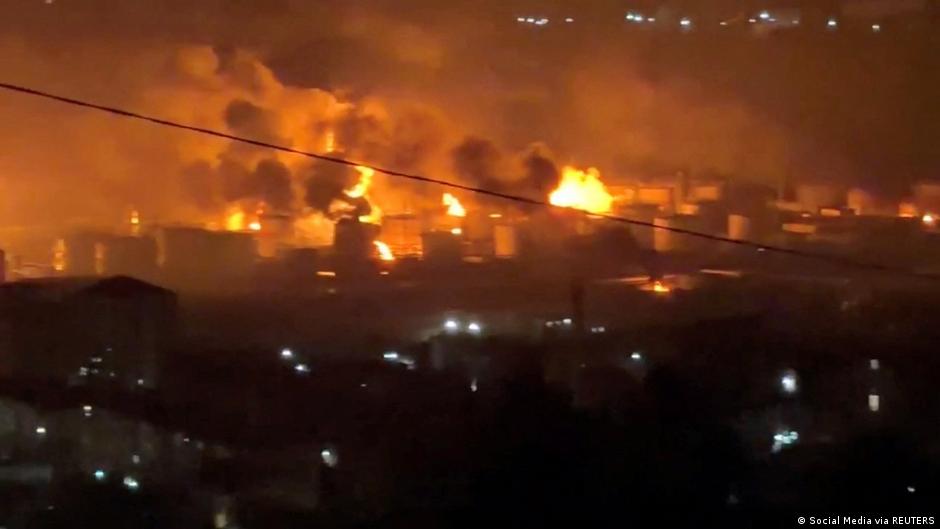
According to a recent analysis by The Economist, Ukraine has seemingly seized the strategic initiative from Russia for the first time in three years of conflict. The report highlights a notable increase in the scale, range, and intensity of Ukrainian operations striking deep into Russian territory.
During April 2026, Russian forces reportedly lost more ground than they gained, marking a critical turning point. This shift is underscored by data from the Institute for the Study of War (ISW), which shows Russia ceding control over approximately 133 square kilometers recently.
Enhanced Ukrainian Military Operations and Their Financial Implications
The Economist emphasizes Ukraine's growing capability to inflict significant damage on Russia's military and economic infrastructure. In March, Ukraine surpassed Russia in the number of long-range drone strikes, regularly targeting assets up to 2,000 kilometers from the Ukrainian border. This increased operational reach places roughly 70% of the Russian population within drone strike zones.
"Almost every Ukrainian action now inflicts progressively greater damage on Russia," the report states.
These developments are particularly consequential from a financial perspective. Russia's military attrition is steep, with estimated casualties reaching 1.4 million killed or severely wounded since the full-scale invasion began, and ongoing losses at about 35,000 personnel monthly. Such sustained personnel and equipment losses inevitably exert pressure on Russia’s defense budgets and broader economic resources.
For investors and analysts, the intensification of drone warfare and shifting control of territory may signal increased volatility in regional defense expenditures and disruptions to economic activities dependent on stability in the area.
Notably, the report references expert commentary suggesting that the forthcoming months will be pivotal. According to Sir Lawrence Freedman, honorary professor at the Royal College of Defence Studies, the trajectory of the conflict will depend on Russia's ability to counter Ukraine’s drone advancements and whether it can muster significant forces for a potential summer offensive.
From a geopolitical finance standpoint, the European Union’s stance also reflects these developments. EU High Representative for Foreign Affairs and Security Policy, Josep Borrell, noted after a recent EU foreign ministers meeting that Ukraine is currently in a stronger position than a year ago, whereas Russian President Vladimir Putin is perceived to be weaker than ever. This shift could influence the flow of international military aid and investments in regional reconstruction.
In summary, the evolving military dynamics between Ukraine and Russia have multifaceted financial implications. The Ukrainian offensive's increasing effectiveness challenges Russian military expenditure sustainability and may recalibrate investor confidence in Eastern European markets.