Ukraine Poised to Supply NATO with Long-Range Drones and Missiles Enhancing Strategic Capabilities
Ukraine offers to fill NATO’s long-range strike capability gaps with advanced drones and missiles amid shifting defense dynamics in Europe.
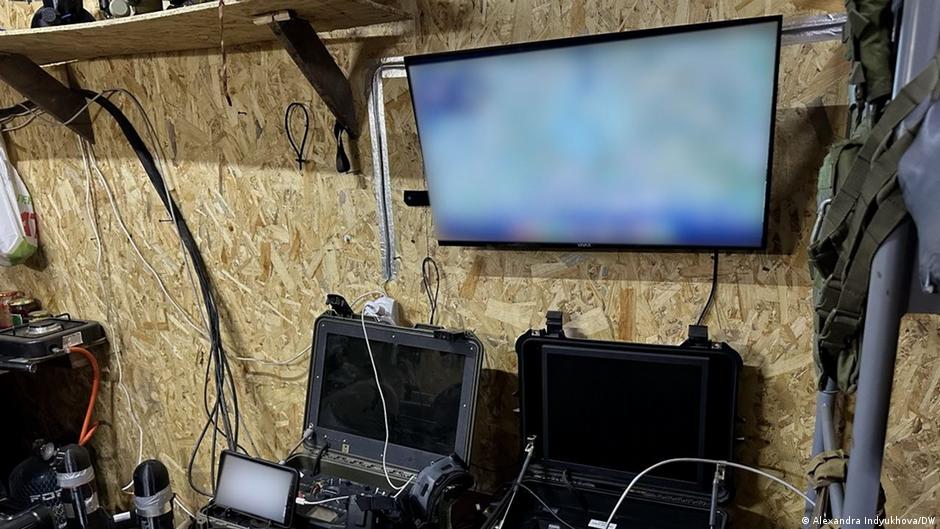
Ukraine has announced its readiness to provide NATO with long-range unmanned aerial vehicles (UAVs) and missile systems, potentially closing critical capability gaps within the alliance’s strategic arsenal. This development underscores Kyiv’s evolving role not only as a frontline state but also as an emerging defense technology partner for NATO members.
Expanding NATO’s Precision Strike Capacity
In a recent interview with the German newspaper Welt, Alena Hetmanchuk, Ukraine’s Ambassador to NATO, emphasized that Ukraine is positioned to bolster NATO’s ability to conduct precise deep-strike operations within adversary territories. Hetmanchuk stated that if NATO members, specifically Germany, express interest, Ukraine can offer both its expertise and proven weapon systems in long-range drones and missiles.
“We possess unique solutions and expert knowledge not only in counter-drone defense but also in delivering highly accurate strikes,” Hetmanchuk said, highlighting Ukraine’s advancements in military technology amid ongoing conflict.
“If NATO countries such as Germany request it in the future, we can offer our experience and effective long-range drones and missile weaponry.”
This capability is particularly relevant given recent shifts in NATO’s missile posture in Europe. Earlier this month, U.S. President Donald Trump canceled agreements concerning the deployment of American Tomahawk cruise missiles and ballistic missiles in Germany. These systems were intended to provide NATO with strategic deterrence options, capable of targeting high-value assets deep inside Russian territory, including command centers, power plants, and munitions depots.
Trump’s cancellation left NATO without a comparable European-based capability to counter Russian missile threats such as the 9M729 cruise missile (NATO designation SSC-8), which is nuclear-capable, and the "Iskander" ballistic missile system.
Strengthening Bilateral and Multilateral Defense Cooperation
In a related development, German Defense Minister Boris Pistorius visited Kyiv on May 11 to discuss expanded defense cooperation between Germany and Ukraine. Pistorius highlighted collaborative projects focused on developing modern unmanned systems across all ranges, emphasizing "Deep Strike" capabilities to enhance the security of both nations.
“Through this cooperation, we will strengthen the security of both our countries,” Pistorius remarked during his visit, signalling Germany’s commitment to integrating Ukrainian military innovation into broader NATO defense frameworks.
Moreover, reports from Welt indicate that Germany is exploring the establishment of a joint U.S.-German enterprise to manufacture Tomahawk cruise missiles domestically starting in 2028. This initiative aims to restore and modernize NATO’s European long-range strike capabilities in the wake of recent policy reversals.
Financial and Strategic Implications
From a financial perspective, Ukraine’s offer to supply advanced drone and missile systems could open new avenues for defense procurement and industrial cooperation within NATO. This could lead to increased defense spending and investment in Ukrainian defense manufacturers, diversifying supply chains for critical military technologies.
For NATO members, particularly Germany, integrating Ukrainian systems may provide a cost-effective alternative to developing indigenous long-range strike platforms from scratch, potentially accelerating capability enhancements. Additionally, joint ventures like the proposed Tomahawk production facility may stimulate economic activity and job creation within the European defense sector.
Overall, Ukraine’s strategic pivot towards supplying NATO with cutting-edge defense technologies not only addresses immediate operational gaps but also signals a deeper financial and industrial interdependence that could influence future defense budgets and procurement strategies across the alliance.