EU Engages in Discreet Talks with Kremlin Amid Ukraine Conflict to Explore Negotiation Prospects
European Council President's advisor held private calls with senior Russian officials to lay groundwork for future peace discussions.
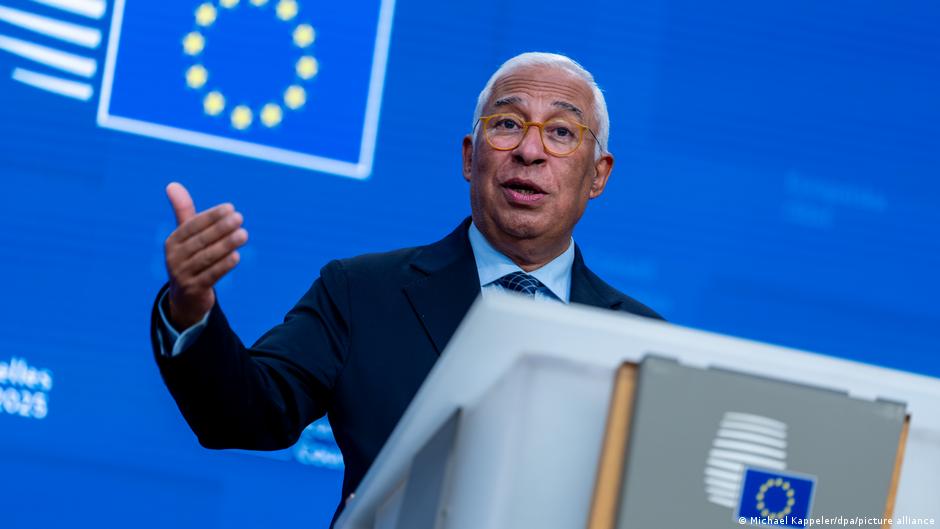
The European Union is taking quiet diplomatic steps to open channels with Moscow as part of efforts to explore potential negotiations aimed at ending the ongoing conflict in Ukraine. According to sources familiar with the matter, the advisor to European Council President António Costa has conducted two undisclosed phone conversations with a senior Kremlin official closely linked to Russian President Vladimir Putin. These talks are understood to be preparatory, setting the stage for more substantive discussions down the line.
Strategic Backchannel Communication and EU Leadership Position
While neither the European Council nor Kremlin spokespersons have publicly commented on these contacts, the timing and participants remain undisclosed. Earlier in May, President Costa indicated that EU leadership is actively preparing for possible negotiations with Russia, engaging with member state leaders to coordinate an effective approach and clarify key agenda items for when dialogue with Moscow becomes feasible.
"There is potential for negotiations with Putin," Costa stated, highlighting the Union's readiness to respond when circumstances align.
These diplomatic overtures coincide with a broader strategic consensus among Europe's major economies—including Germany, France, and the United Kingdom—that now may be a critical juncture for initiating peace talks. Factors influencing this assessment include challenges faced by Russian forces on the battlefield, intensified Ukrainian counterattacks within Russian territory, and mounting economic costs impacting Moscow's war effort.
From a financial and geopolitical standpoint, the implications of these developments are significant. The prospect of negotiations could signal a shift in economic sanctions regimes, influence energy markets, and affect investor sentiments regarding European and Russian assets. EU policymakers appear cognizant of the delicate balance between maintaining pressure on Russia and creating conditions conducive to meaningful dialogue.
For investors and market analysts, monitoring these diplomatic signals is crucial. Should negotiations advance, a recalibration of risk assessments for companies operating in or with exposure to Russian markets may be warranted. Similarly, shifts in geopolitical risks could impact commodity prices, foreign exchange rates, and capital flows.
As the EU navigates this complex diplomatic landscape, its actions underscore a pragmatic approach aimed at fostering stability while safeguarding economic interests. The unfolding situation warrants close attention from financial stakeholders and policy watchers given its potential to reshape regional dynamics and market conditions.