Zaporizhzhia Nuclear Plant Experiences 23rd External Power Loss Since Conflict Began
The Zaporizhzhia nuclear plant, under Russian control, lost external power for the 23rd time since the conflict, impacting operational stability and raising safety concerns.
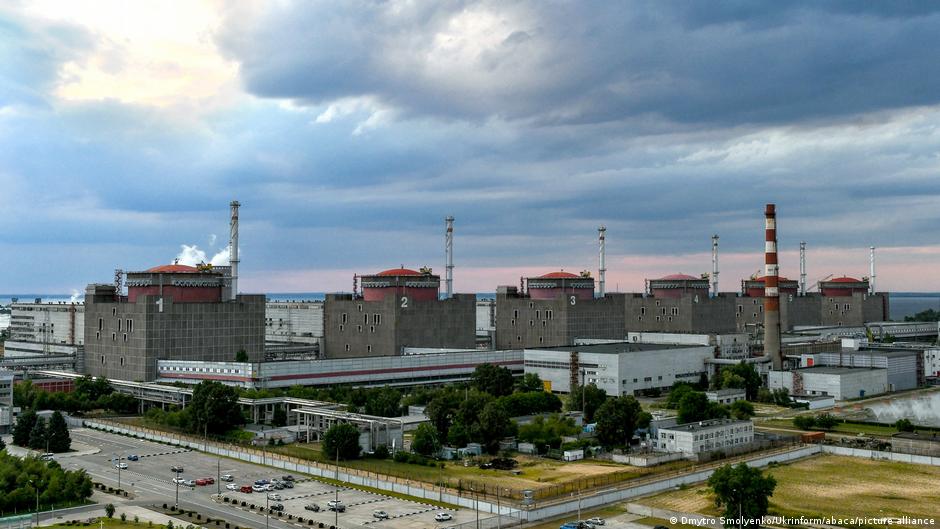
The Zaporizhzhia Nuclear Power Plant (ZNPP), Europe's largest nuclear facility currently controlled by Russian forces, experienced its 23rd loss of external electrical power since the full-scale conflict in Ukraine began. According to the International Atomic Energy Agency (IAEA), the plant operated on emergency diesel generators for nearly two hours to maintain critical cooling systems and reactor safety functions.
Impact on Operations and Safety Risks
IAEA Director General Rafael Grossi reported on August 1 that the cause of the most recent power outage remains undetermined. The temporary loss of the final external power line supporting the plant's systems sparked concern over nuclear safety amid ongoing regional instability. The emergency diesel generators successfully supplied backup power, ensuring reactor cooling and other essential operations continued without disruption during the blackout.
“The interruption of external power supply at ZNPP poses significant nuclear safety challenges, particularly given the ongoing military activities in the area,” Grossi said.
IAEA further noted increased military activity around ZNPP and nearby Enerhodar, home to a significant portion of the plant’s personnel. Additionally, extended internet outages and water supply issues have compounded operational difficulties, creating further risks to the facility’s safety management.
Strategic and Financial Implications
Since April 2022, the ZNPP has been situated in territory occupied by Russian forces. Analysts from Greenpeace Ukraine, reviewing satellite imagery, report that Russian authorities are constructing high-voltage power lines along the M18 highway connecting Melitopol and Henichesk—both under Russian control. This infrastructure appears intended to integrate the ZNPP into the power grid of annexed Ukrainian territories, including Crimea, as well as southern regions of Russia.
Greenpeace nuclear expert Jan Vande Putte highlighted that Russia’s state nuclear corporation, Rosatom, views ZNPP as a cost-effective alternative to developing new reactors in the Rostov and Krasnodar regions. This strategic approach potentially reduces capital expenditure on new nuclear projects by leveraging existing facilities, albeit under contentious control.
However, operational plans have faced setbacks. In early July 2023, a series of strikes by Ukrainian drones targeted a substation in Henichesk, temporarily disrupting efforts to connect ZNPP to Russian-controlled power systems. Such incidents underscore the vulnerability of critical infrastructure amid ongoing conflict.
Investor and Market Considerations
The repeated power outages and the uncertain stability of the ZNPP's operational environment pose risks to any financial or strategic investments linked to the plant or regional power supply. The plant’s integration into Russian-controlled grids could have implications for energy market dynamics in annexed regions, potentially affecting supply, pricing, and regulatory oversight.
For investors and stakeholders monitoring the energy sector in Eastern Europe, the ZNPP's status remains a critical variable. The plant's operational interruptions highlight geopolitical risks that can impact asset valuation, long-term planning, and energy security forecasts.